Business
FDA Chief Blocks Moderna’s Flu Vaccine Approval Amid Controversy
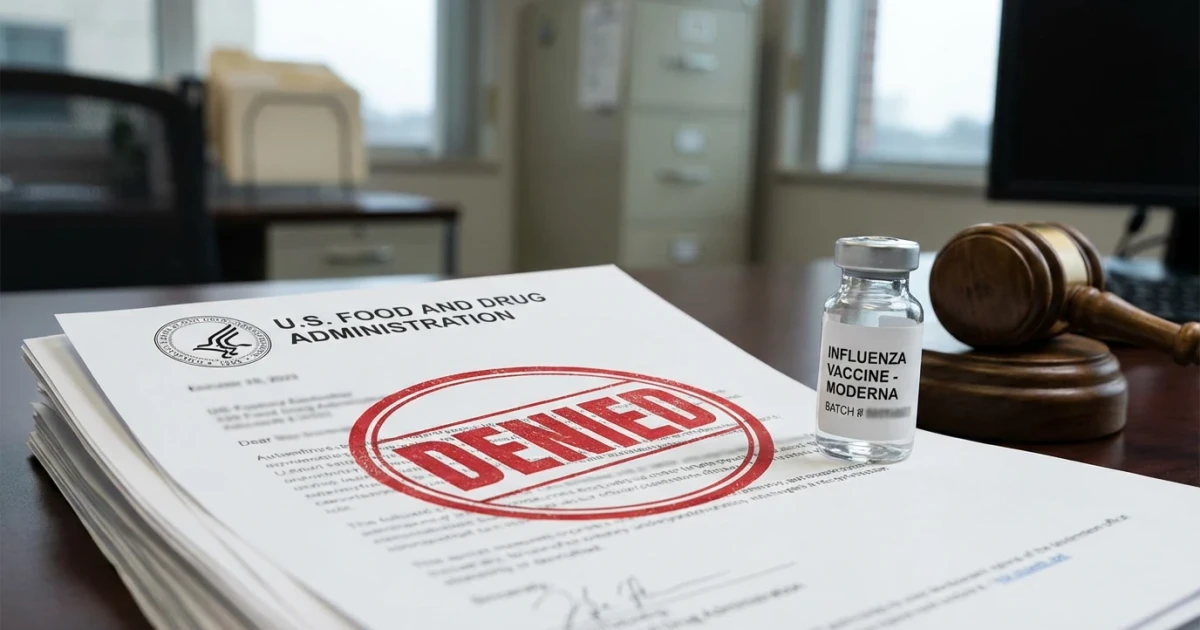
Moderna’s much-anticipated mRNA-based flu vaccine application has been rejected by the U.S. Food and Drug Administration (FDA), following a rare decision by FDA Commissioner Robert Califf Prasad to override the positive recommendation of agency staff. The move has prompted vigorous debate among public health officials, vaccine experts, and the pharmaceutical industry.
Commissioner Prasad’s Unusual Intervention
According to reporting from STAT News, Commissioner Prasad took the unusual step of personally overruling FDA staff scientists who recommended approval of Moderna’s influenza vaccine. The agency’s internal reviewers had concluded that the vaccine met efficacy and safety benchmarks set out in the FDA’s official guidance for influenza vaccine approval, suggesting it was suitable for market authorization.
However, Prasad’s office opted to reject the Biologics License Application (BLA), a decision confirmed in the FDA’s official biologics approvals database. This intervention, described by current and former FDA officials as highly unusual, has fueled speculation regarding the agency’s internal deliberations and the broader regulatory environment for mRNA-based vaccines.
Public Health Officials Defend the Decision
U.S. health officials have publicly defended the FDA’s choice, emphasizing the importance of rigorous standards for new vaccines. As reported by The New York Times, officials cited concerns about the vaccine’s effectiveness compared to existing options, as well as the need for more comprehensive long-term safety data. While the specifics of the FDA’s reservations were not disclosed in detail, the agency’s decision signals a cautious approach to approving novel mRNA technology for seasonal influenza—a virus with significant annual public health impact.
Vaccine Performance and Regulatory Context
- Moderna’s mRNA flu vaccine had demonstrated efficacy in large-scale Phase 3 trials, with results summarized in the company’s public topline data release.
- FDA staff reviewers reportedly found the vaccine met the effectiveness standards for flu vaccines, though details on comparative performance versus traditional flu shots remain limited.
- The rejection comes as mRNA technology, which proved pivotal during the COVID-19 pandemic, is being evaluated for broader infectious disease prevention.
Experts note that mRNA vaccines for influenza could offer advantages in speed of production and adaptability to new viral strains, but also face heightened scrutiny given their novel platform and the ongoing clinical trial landscape.
Industry and Scientific Community Reactions
The FDA’s recent decision has drawn mixed reactions. Some public health advocates argue that a higher bar for approval is warranted to ensure long-term safety and effectiveness, citing the agency’s responsibility to protect public trust. Others, including portions of the scientific and pharmaceutical communities, have expressed concern that the rejection may dampen innovation and slow the adoption of promising new vaccine technologies.
While the FDA has not disclosed the full rationale behind Prasad’s intervention, the move is likely to have significant implications for vaccine development and regulatory policy in the United States. Moderna and other developers are expected to seek further dialogue with the agency and may pursue additional studies to address outstanding concerns.
What Comes Next?
Moderna has not indicated whether it will immediately refile its application or conduct further trials. The company’s ongoing studies and future regulatory submissions will be closely watched by the medical community, regulators, and the public alike. The incident also underscores the complexities and pressures facing the FDA as it navigates the balance between innovation and public safety in a rapidly evolving vaccine landscape.
For readers interested in the regulatory background, the FDA’s database of novel drug approvals and biologics license application decisions provide a window into how new therapies are evaluated and approved.
The debate over Moderna’s mRNA flu shot is likely to shape the future of vaccine regulation and innovation for years to come.