Health
FDA clears first over-the-counter glucose monitor for children as young as 2
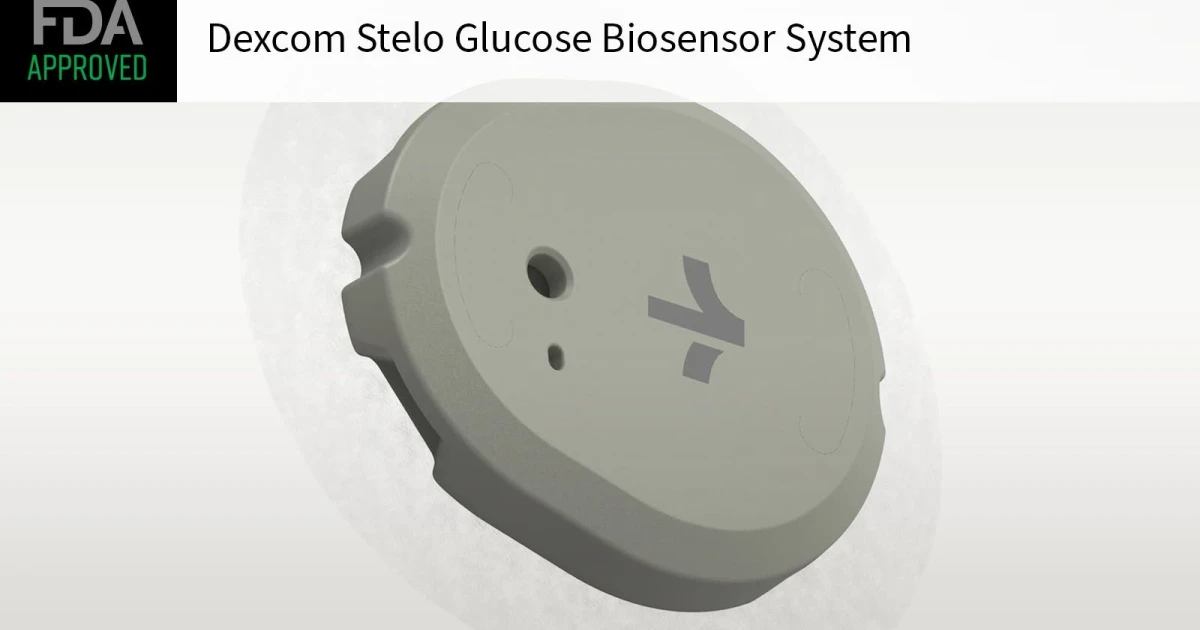
Parents of children as young as 2 can now buy a continuous glucose monitor without a prescription, a shift that could make day-to-day glucose tracking far easier for families trying to understand diet, exercise and medication effects. The U.S. Food and Drug Administration cleared Dexcom’s Stelo Glucose Biosensor System on June 12 for people 2 years and older who do not use insulin, expanding a product that had already been cleared over the counter for adults in March 2024.
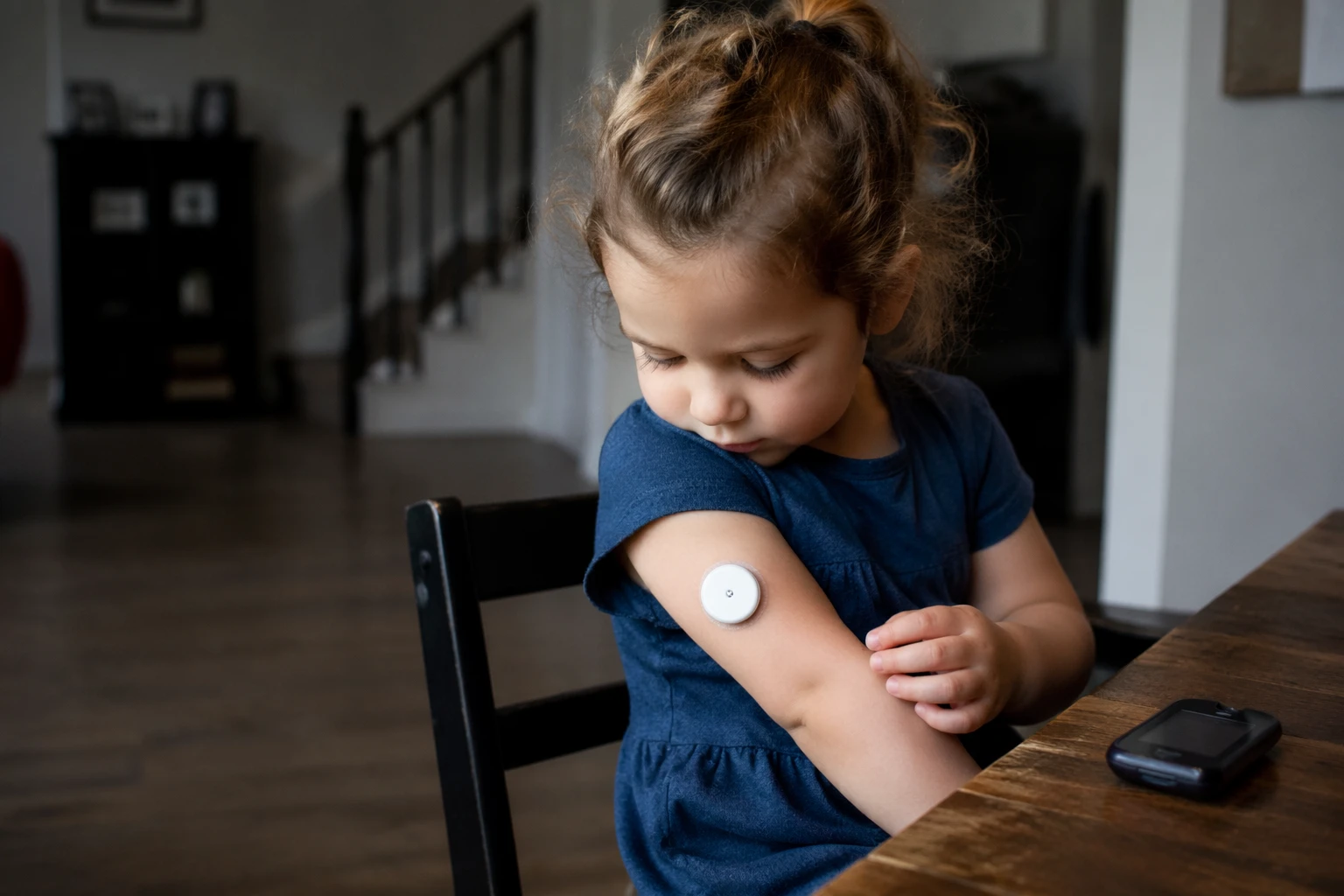
The device is worn on the body and pairs with a smartphone app or other compatible smart device to measure, record, analyze and display glucose values in real time. That removes a clinic visit and prescription step for families, caregivers and clinicians who want to follow glucose patterns more closely. It also extends an over-the-counter pathway that the FDA says now reaches a younger pediatric population while still keeping the product under regulatory oversight as an integrated continuous glucose monitor, or iCGM.
The public-health stakes are clear. The Centers for Disease Control and Prevention says 115.2 million U.S. adults have prediabetes, and CDC-linked reporting on 2023 data estimated that 32.7% of adolescents ages 12 to 17, about 8.4 million young people, had prediabetes. The FDA said the clearance reflects an effort to give pediatric patients better tools and support the safe use of devices in the places where children live, learn and play.
For some families, the change may mean earlier recognition of glucose swings after meals, during exercise or across a school day, especially for children taking oral diabetes medications or children whose doctors want a clearer picture of daily patterns. But the new access does not erase every barrier. The monitor still depends on a compatible smart device, and over-the-counter status does not guarantee that every family can easily afford it or know how to interpret the data correctly.

That tension sits at the center of the policy question. Continuous glucose monitoring can help families act on real-time feedback, but without clinician guidance it can also invite overreaction to normal fluctuations or confusion about what the numbers mean. The American Academy of Pediatrics recommends screening for prediabetes or type 2 diabetes in youth 10 and older, or earlier at puberty if a child has overweight or obesity plus at least one risk factor, while the American Diabetes Association’s 2026 pediatric standards list fasting glucose, an oral glucose tolerance test, random glucose with symptoms and A1C as testing options. The FDA’s move could widen access to early monitoring, but it also raises the bar for education so consumer technology improves care instead of adding noise.
Sources
- [1]fda.gov
- [2]investors.dexcom.com
- [3]cdc.gov
- [4]publications.aap.org
- [5]diabetesjournals.org
- [6]abcnews.com