Business
FDA Declines Review of Moderna's mRNA Flu Vaccine
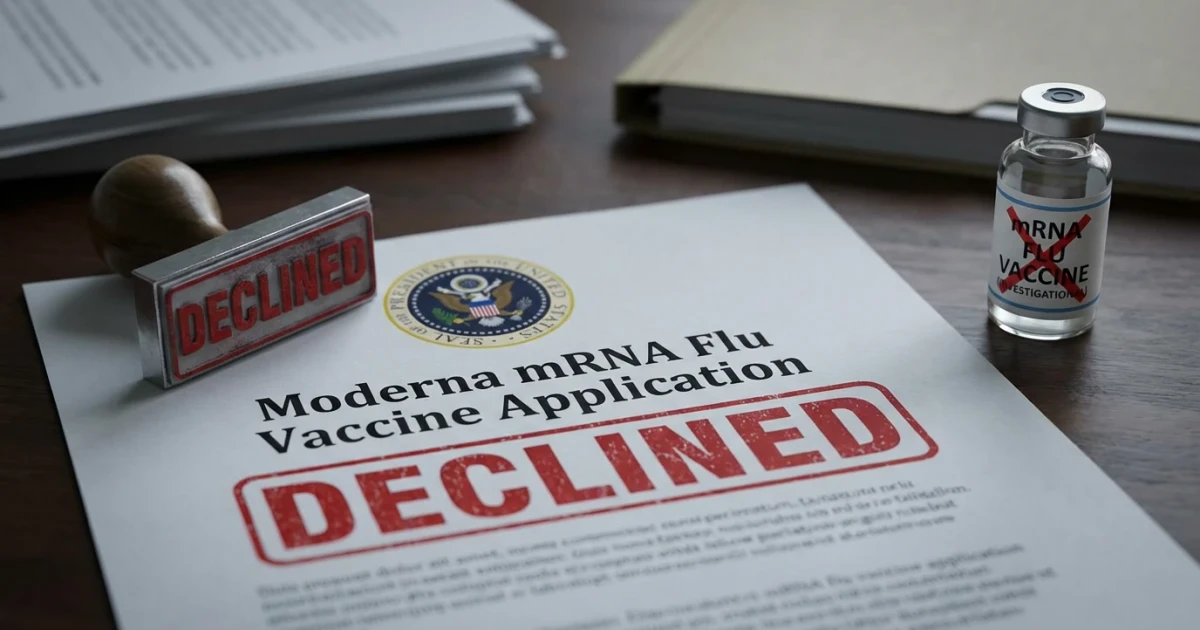
Moderna announced that the U.S. Food and Drug Administration (FDA) has declined to review its application for an mRNA-based influenza vaccine, a surprising setback as the company seeks to expand its vaccine portfolio beyond COVID-19. The decision, confirmed by multiple outlets including The New York Times, signals regulatory hurdles for next-generation flu vaccines built on mRNA technology.
FDA's Response and Regulatory Context
The FDA’s refusal does not mean the vaccine candidate has failed or is unsafe. Instead, the agency’s decision means it will not review Moderna’s application at this time. According to The New York Times, the FDA did not specify in its public statements the detailed reasons for declining the review, but such actions typically point to missing information or deficiencies in the application package.
Regulators require extensive data on vaccine development and approval, including evidence of safety, immunogenicity, and efficacy. The FDA's guidance for influenza vaccines outlines strict requirements for clinical and manufacturing data, and a refusal to file typically means the FDA found the application lacking in one or more key areas.
About Moderna's mRNA Flu Vaccine
Moderna’s investigational flu vaccine, known as mRNA-1010, is designed to protect against four strains of seasonal influenza. The company has conducted multiple clinical trials—including a large Phase 3 study in healthy adults—to demonstrate the vaccine’s safety and immune response. Moderna has promoted mRNA-1010 as part of its effort to replicate its COVID-19 vaccine success in the broader respiratory vaccine market.
The company’s pipeline includes several mRNA-based vaccines, but mRNA-1010 was widely considered a frontrunner for the next FDA approval after the COVID-19 shot.
Current Flu Vaccine Landscape
Seasonal influenza remains a significant public health challenge, causing millions of illnesses and thousands of deaths each year in the U.S. Existing flu vaccines, which are mostly produced using egg-based or cell-based methods, have variable effectiveness each year, typically ranging between 40% and 60% according to the CDC.
mRNA vaccines offer the potential for faster updates and more precise targeting of circulating flu strains. The FDA’s refusal to review Moderna’s application delays possible access to this new class of influenza vaccines in the U.S. market.
Implications and What’s Next
Moderna will likely need to address the FDA’s concerns and resubmit its application with additional data or clarifications. The company remains committed to advancing mRNA-1010, but a timeline for renewed regulatory review is unclear. The setback comes as other pharmaceutical companies also race to develop improved flu vaccines, making the regulatory landscape increasingly competitive.
For now, U.S. patients will continue to rely on traditional influenza vaccines. Experts note that the FDA’s refusal to file is not uncommon for new platforms and can be overcome with further data and collaboration.
As the regulatory process for mRNA vaccines evolves, industry observers will watch closely to see how Moderna and its competitors address scientific and regulatory challenges in hopes of delivering more effective influenza protection in the future.