Health
FDA Halts National Ban on Teen Tanning Bed Use
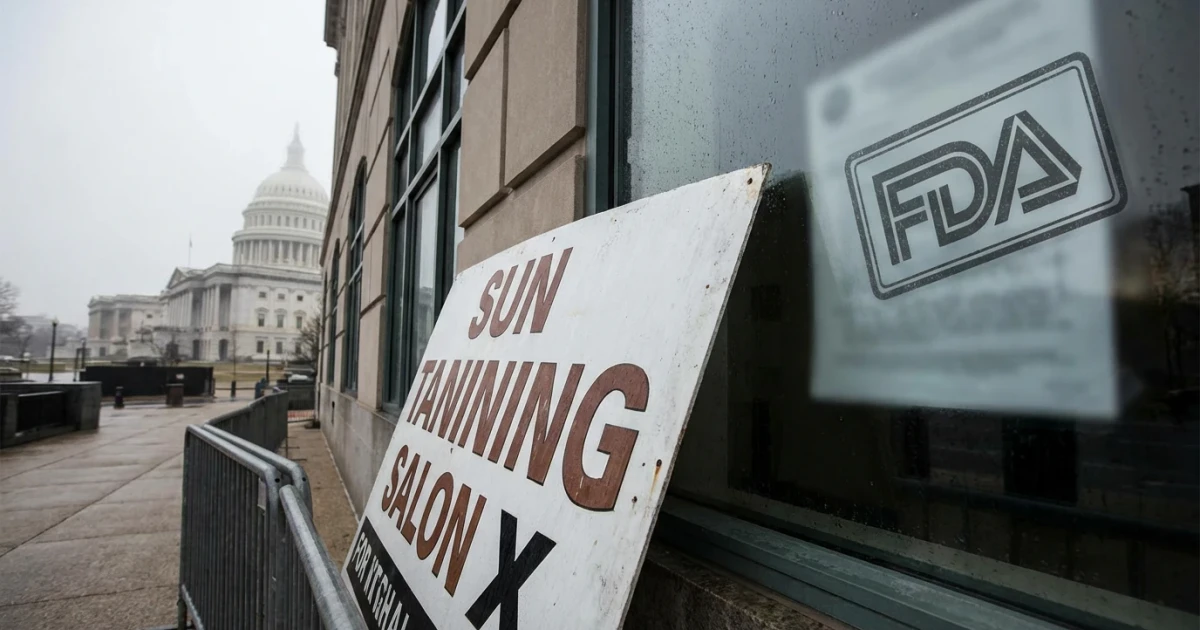
The U.S. Food and Drug Administration (FDA) has withdrawn its proposed rule to ban tanning bed use for minors nationwide, leaving regulation of indoor tanning for teens in the hands of individual states. The decision, reported by U.S. News & World Report, marks a reversal from the agency’s 2015 proposal aimed at reducing skin cancer risk among young Americans.
Background: FDA’s 2015 Proposal and Its Withdrawal
The FDA’s original 2015 proposed rule sought to restrict the sale, distribution, and use of sunlamp products—including tanning beds—to individuals aged 18 and older. The proposal was driven by mounting evidence of the link between indoor tanning and an increased risk of skin cancers, especially melanoma—the deadliest form of skin cancer. The FDA cited research showing that early, repeated exposure to ultraviolet (UV) radiation from tanning beds could significantly raise the risk for developing skin cancer later in life.
However, as of March 2026, the FDA announced it is withdrawing the proposed nationwide ban, effectively halting federal efforts to regulate tanning bed access for minors. The agency did not provide a detailed public explanation for the withdrawal, but the move comes after years of public comment, industry pushback, and debates over regulatory reach.
Current State-by-State Regulation
With the FDA stepping back, regulation of minors’ access to tanning beds now remains a patchwork of state laws. According to the National Conference of State Legislatures, as of 2024:
- 21 states and the District of Columbia ban indoor tanning for those under 18
- 14 states impose age restrictions with parental consent or accompaniment
- 15 states have no restrictions or only minimal requirements
This uneven regulatory landscape means that a minor’s access to tanning salons varies greatly depending on where they live.
Public Health Concerns and Expert Perspectives
Medical and public health organizations, including the American Academy of Dermatology and the American Cancer Society, have long advocated for stricter controls on teen tanning bed use. They cite extensive research showing that early exposure to UV radiation increases the risk of skin cancers, including basal cell carcinoma, squamous cell carcinoma, and particularly melanoma. According to the Centers for Disease Control and Prevention (CDC), the incidence of melanoma among young people has been rising, although rates have plateaued or declined in some age groups in recent years.
Data from the CDC also indicates that indoor tanning among U.S. high school students has declined—from 15.6% in 2009 to 5.6% in 2017—but experts warn that any tanning in youth can have lifelong impacts. The World Health Organization has classified tanning devices as carcinogenic to humans, placing them in the same category as tobacco and asbestos.
Industry Response and Consumer Access
The indoor tanning industry has consistently argued that a federal ban would negatively impact small businesses and restrict consumer choice. Industry groups have also maintained that education and parental involvement are more effective than outright bans in reducing risky behaviors. With the FDA’s withdrawal, tanning salons will continue to operate under varying state regulations, and some may face fewer restrictions on marketing or serving minors in states without age limits.
Looking Ahead: Public Health Advocacy and State Action
The FDA’s decision shifts the debate over youth tanning bed use to state legislatures and public health advocates. Organizations focused on cancer prevention are likely to intensify efforts to push for stricter state-level regulations, while the indoor tanning industry may lobby to prevent new restrictions. For now, the risk to minors from indoor tanning remains a concern where state laws are weak or unenforced.
As the regulatory landscape continues to evolve, parents and teens are encouraged to understand the risks associated with UV exposure and to seek out evidence-based guidance on tanning and skin cancer prevention.