Health
FDA lets Philip Morris market Zyn as less harmful than cigarettes
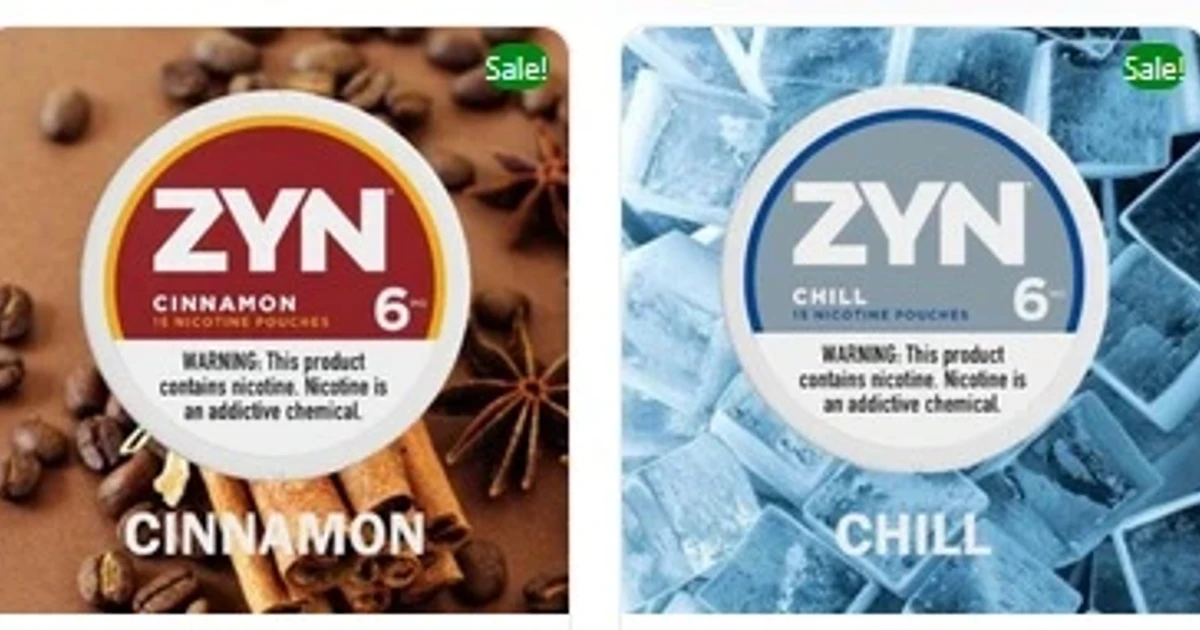
The Food and Drug Administration let Philip Morris International market 20 Zyn nicotine pouch products as less harmful than cigarettes, handing the company a new commercial claim in a nicotine market that is still reshaping itself around noncombustible products. The decision gives Philip Morris a stronger argument to retailers, investors and adult smokers considering a switch, while stopping well short of saying nicotine pouches are safe.
The agency’s modified-risk orders allow Philip Morris to use a comparative harm claim that says, “Using ZYN instead of cigarettes puts you at a lower risk of mouth cancer, heart disease, lung cancer, stroke, emphysema, and chronic bronchitis.” That language matters because the FDA is not giving Zyn a blanket health endorsement. It is allowing a narrower claim tied to a comparison with cigarettes, the most dangerous form of nicotine delivery.

The ruling follows a longer regulatory path. In January 2025, the FDA authorized the marketing of 20 Zyn nicotine pouch products through the premarket tobacco product application pathway after an extensive scientific review, and it made clear then that the authorization applied only to those products and did not permit reduced-risk claims. On June 17, 2025, the agency filed Swedish Match USA’s modified-risk tobacco product applications for the same 20 products for substantive scientific review. FDA staff later told the Tobacco Products Scientific Advisory Committee in January 2026 that the proposed claim was scientifically accurate.
Public-health officials have been trying to balance two realities: adult smokers may use nicotine pouches to move away from cigarettes, but nicotine dependence still carries risks, and youth appeal remains a concern. CDC and FDA youth survey data showed current nicotine pouch use among U.S. middle and high school students at 1.8% in 2023 to 2024, with no significant change over that period. FDA staff also said in January that exposure to the proposed claim did not increase intentions to use Zyn among young adults.

The commercial stakes are large. Philip Morris International said in its 2025 annual report that net revenues topped $40 billion and that close to $17 billion came from its smoke-free business. The company said smoke-free products accounted for more than 41% of total net revenues in 2025, with Zyn positioned as a key growth engine alongside IQOS. The latest FDA action could deepen Zyn’s presence in convenience stores and online sales, while also giving Philip Morris a sharper pitch for a product line built around a simple, consequential message: less harmful than cigarettes does not mean harmless.
Sources
- [1]money.usnews.com
- [2]fda.gov
- [3]pmi.com
- [4]cdc.gov