Health
FDA panel eases peptide restrictions amid safety concerns

An FDA advisory panel voted 8-6 to loosen restrictions on seven injectable peptides, even as agency scientists warned there was little, if any, evidence the compounds are safe or effective in humans. The split vote opened the door for broader access to products that have spread online through wellness influencers and promises of faster muscle growth, skin rejuvenation and recovery.
The panel was weighing whether compounding pharmacies should be allowed to make and dispense BPC-157, TB-500, KPV, MOTS-c, DSIP, Semax and Epitalon. Those molecules have been pitched for uses ranging from injury recovery and insomnia to ulcerative colitis, migraines and obesity, despite not being approved drugs for those purposes.
The debate has been shaped in part by Health Secretary Robert F. Kennedy Jr., who publicly said he is a “big fan” of peptides. Kennedy also told podcaster Joe Rogan that he likes the drugs, a statement that helped push the FDA to hold the advisory committee meeting and revisit Biden-era restrictions on compounded peptides.

The panel’s move came after FDA scientists circulated briefing documents flagging the lack of good evidence for efficacy or safety. NPR reported on June 30 that the agency’s scientists said the peptides had not been well studied for human use, underscoring the gap between the growing social-media market and the clinical data needed to support broad medical use.
Conflict-of-interest scrutiny shadowed the meeting as well. The Washington Post reported on July 17 that FDA officials had raised concerns ahead of the panel, and coverage said some members had financial ties to the peptide industry. AP reporting cited in broader coverage described doctors and pharmacists with deep financial interests in the burgeoning market for unproven chemicals.
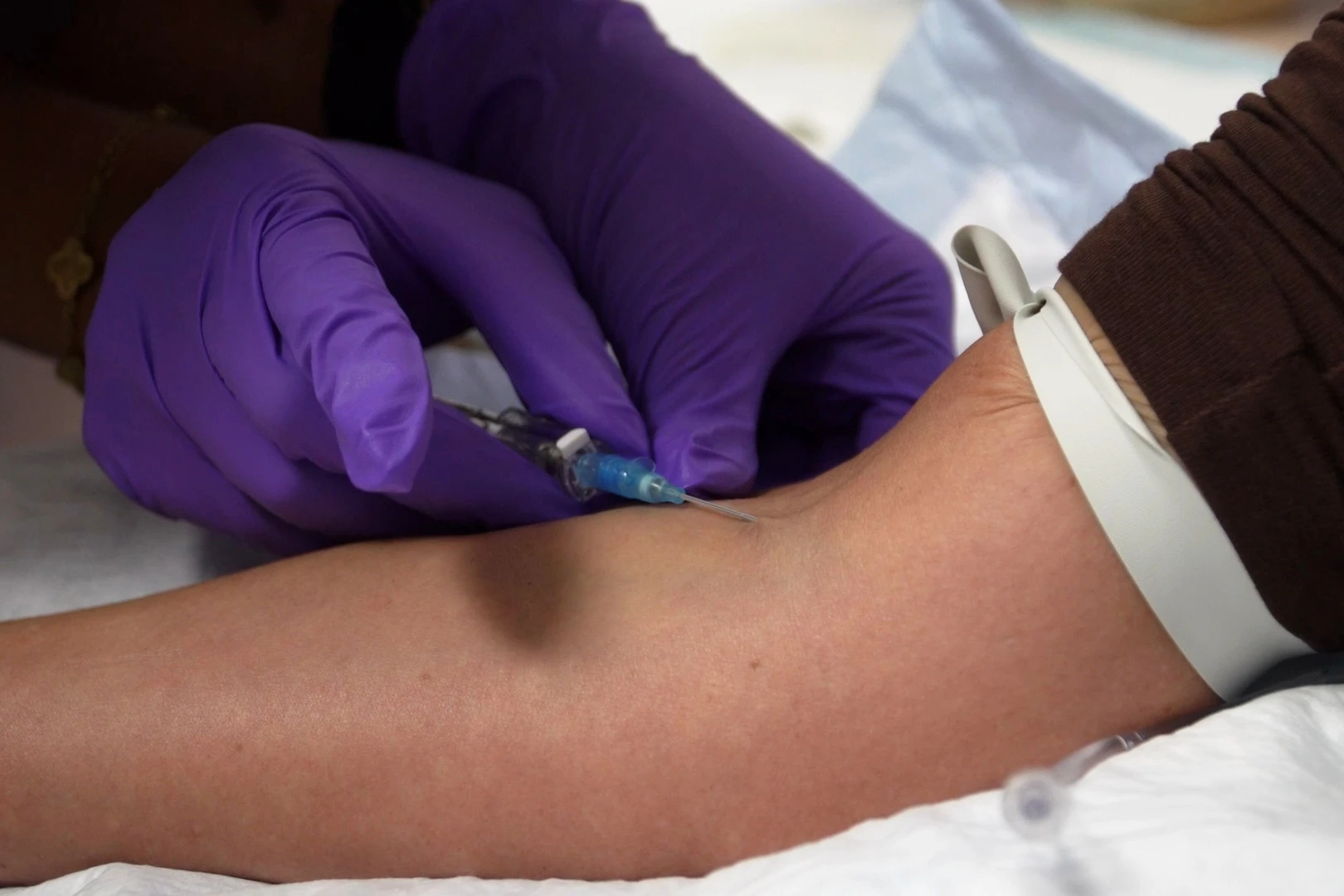
The vote fits a larger wellness trend that has moved peptides from fringe forums into mainstream online promotion. NPR and CNN reported in mid-2026 that more Americans were injecting unapproved chemicals marketed as a path to building muscle, rejuvenating skin and extending life, even as the evidence base remained thin. The FDA panel’s decision did not prove the drugs are safe; it signaled that a regulatory barrier was lowered before the science caught up.
Sources
- [1]bbc.co.uk
- [2]biopharmadive.com
- [3]npr.org
- [4]nbcnews.com
- [5]washingtonpost.com
- [6]cbsnews.com
- [7]theguardian.com
- [8]bbc.com
- [9]bpr.org
- [10]expressnews.com