Health
FDA says Cyclospora source in lettuce outbreak still unknown
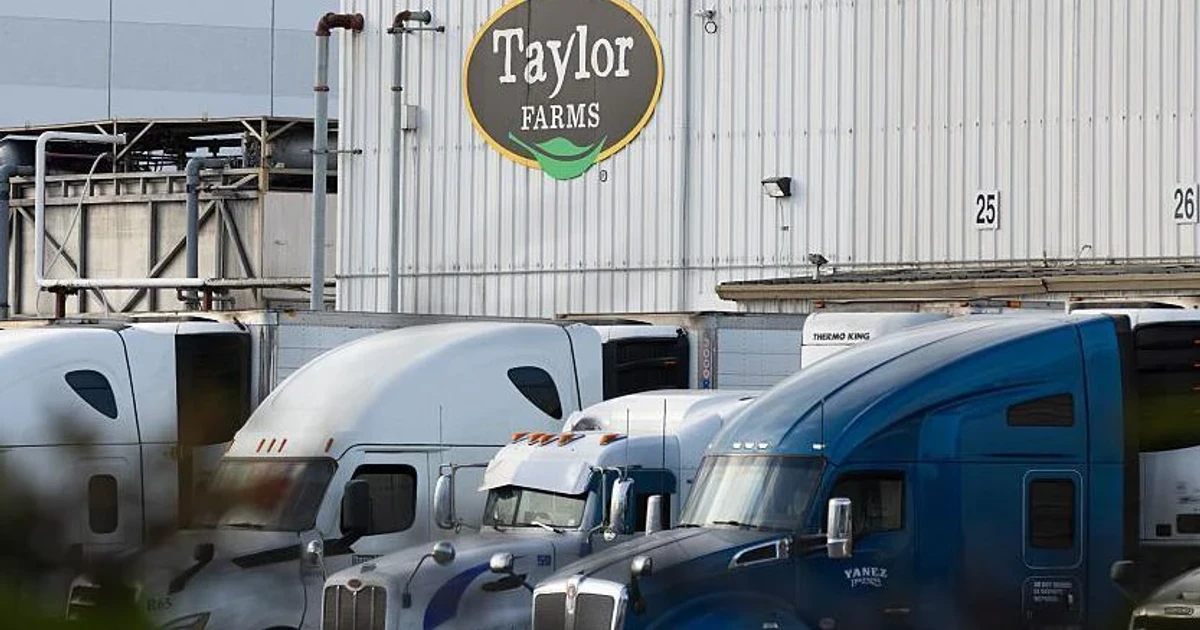
The Food and Drug Administration said the shredded iceberg lettuce sample that first tested positive for Cyclospora was a false alarm, after laboratory experts re-reviewed the sample and concluded it did not show true amplification. The reversal left officials still searching for the source of a five-state Cyclospora outbreak tied to iceberg lettuce, even as they continued tracing where the lettuce was grown, processed and shipped.
That kind of correction can ripple far beyond a lab bench. A false positive can trigger precautionary withdrawals by retailers and food-service companies, pull safe product from shelves, and send traceback teams back through the same supply chain a second time. It also makes food-safety alerts harder for consumers to interpret, because lettuce may be discarded out of caution before investigators know whether it belongs in the outbreak at all.
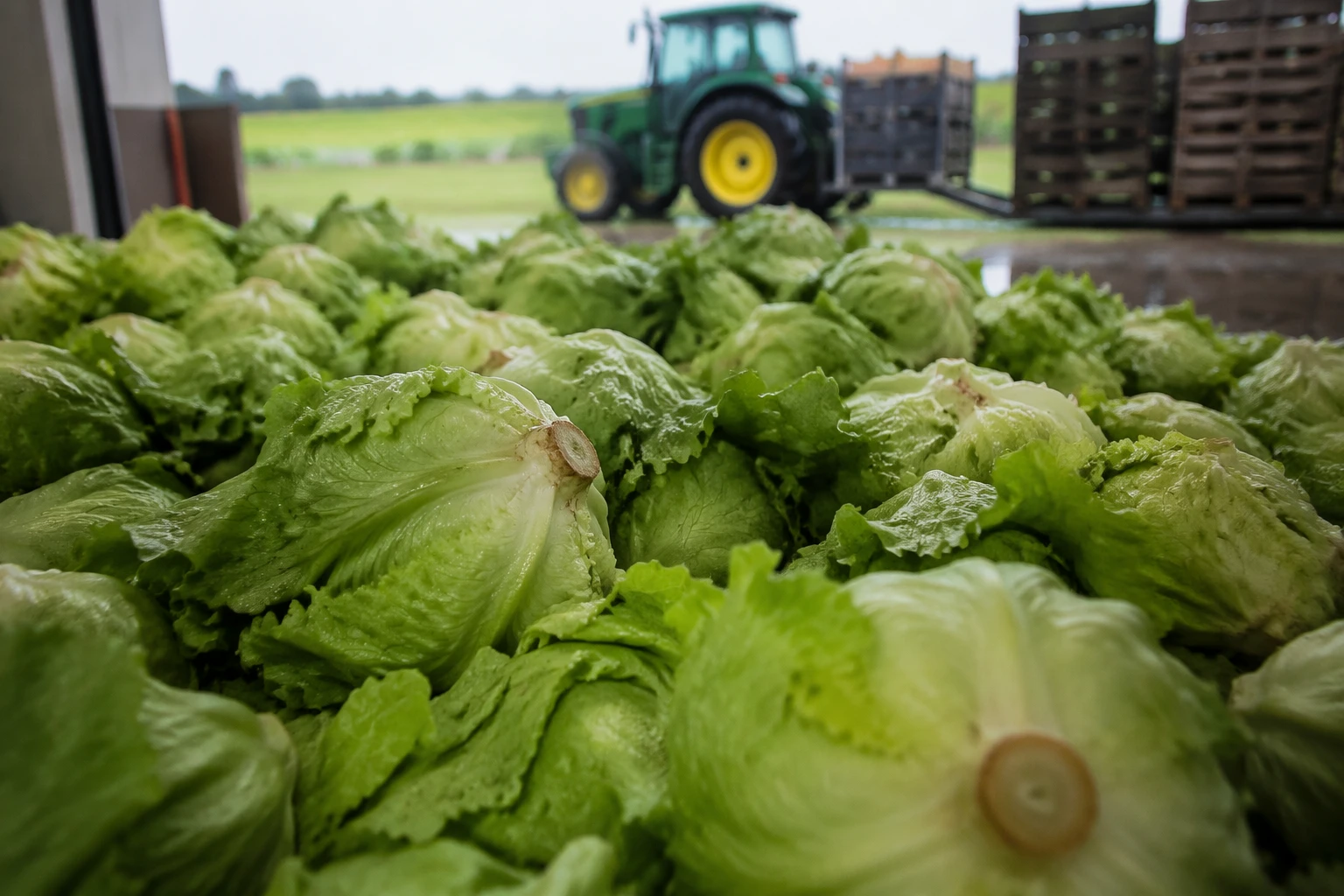
Taylor Farms said July 17 it was voluntarily removing iceberg lettuce sourced from central Mexico from the U.S. market. The company’s recall covered products shipped to 27 states. The FDA said it planned inspections of farms in Mexico and a lettuce shredding facility to determine how the produce became contaminated and where it was sent.
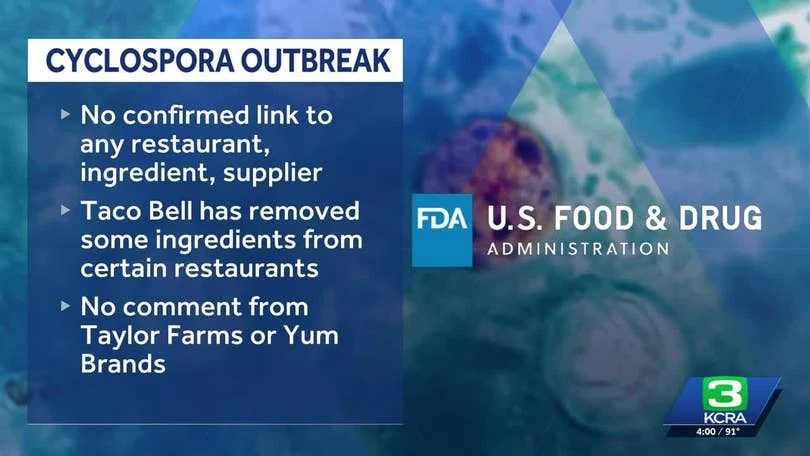
The illnesses have been reported in Michigan, Ohio, North Carolina, Illinois and New Jersey, with the outbreak tied to iceberg lettuce in five states. Cyclospora can cause severe, often explosive diarrhea, and public health experts note that it is difficult to detect because some food-poisoning tests are not built to find it. That makes every new lab result important, and every reversal consequential, for households deciding what to buy and for grocers deciding what to pull.
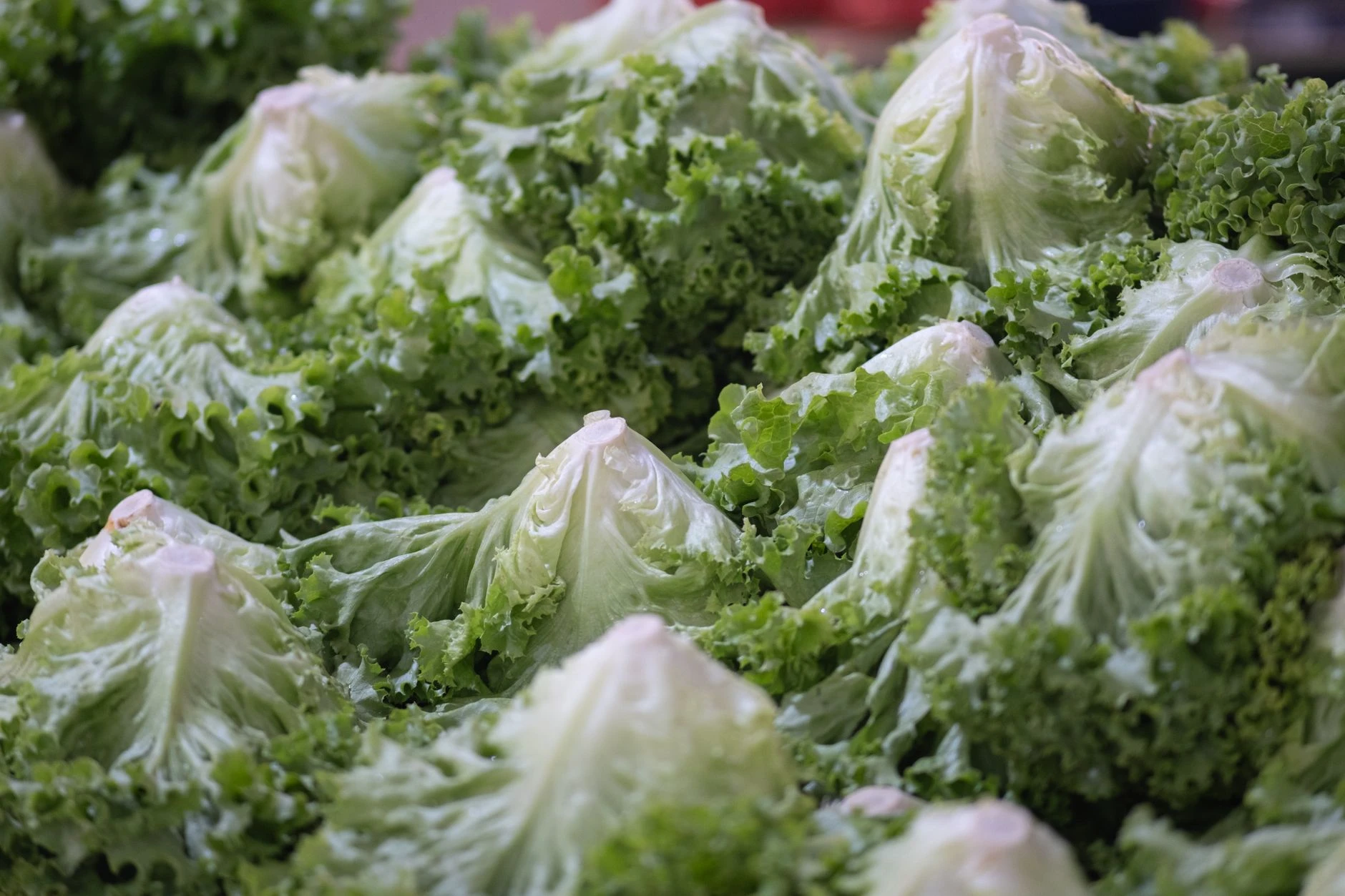
The investigation has moved through a shifting set of signals. Officials first thought they had a positive sample, then ruled it out, leaving the source unresolved and the traceback work unfinished. The uncertainty matters because food-safety alerts rely on trust: when evidence changes, consumers are left wondering whether the first warning was too broad, too early, or still only part of a larger contamination map.
Sources
- [1]bbc.co.uk
- [2]newsnationnow.com
- [3]fda.gov
- [4]cdc.gov
- [5]apnews.com
- [6]usatoday.com
- [7]taylorfarms.com
- [8]reuters.com
- [9]nytimes.com