Health
FDA schedules review of Grail's Galleri blood cancer test
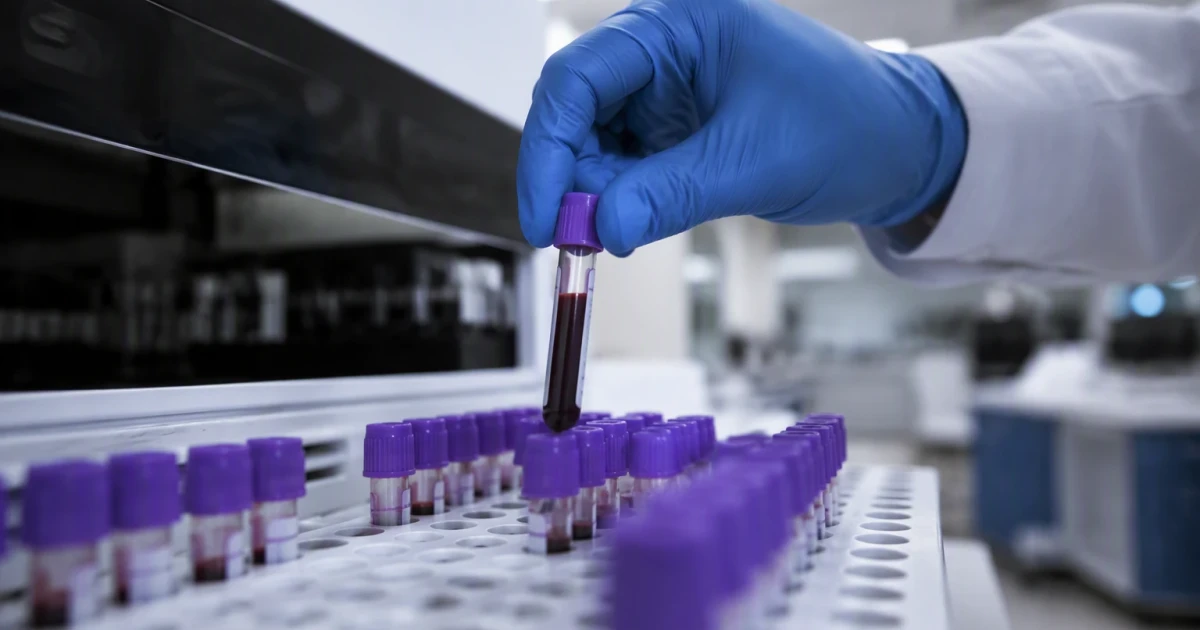
The U.S. Food and Drug Administration has scheduled an advisory committee meeting for Sept. 23, 2026, to review GRAIL Inc.’s Galleri premarket approval application. The session will bring in the Molecular and Clinical Genetics Panel of the Medical Devices Advisory Committee, with the discussion held at the FDA White Oak Campus and virtually.
That meeting puts a clinical test at the center of a larger national fight over what counts as useful cancer screening. The FDA describes Galleri as a prescription-only blood test intended to detect signals associated with multiple cancers, but the key question is whether that signal translates into better care, not just earlier information. For a screening tool aimed at large numbers of healthy people, even modest rates of false positives, false negatives or unclear follow-up can create unnecessary anxiety, extra procedures and added cost.
GRAIL says Galleri is designed to screen for 50+ cancers with a single blood test. The company also says the test does not detect a signal for all cancers and that false positive or false negative results can occur, a reminder that the technology’s reach still falls short of a universal cancer screen. That gap is why the evidence threshold matters so much: the test has to show it can reliably identify disease across cancer types, avoid mislabeling people who are not sick and fit into a care pathway that doctors can actually use.
The FDA has already been laying groundwork for that kind of review. At a Nov. 29, 2023 meeting, the same panel discussed how multi-cancer detection in vitro diagnostic tests should be designed and what studies and outcomes could help regulators judge their probable benefits and risks. The agency said those recommendations would help inform future regulatory work on these newer tests. In other words, the Sept. 23 review is not happening in a vacuum. It follows an earlier effort to define what strong evidence should look like before multi-cancer screening moves deeper into routine medicine.
The stakes are high for GRAIL, based in Menlo Park, California, and for a fast-growing field that has drawn intense interest from investors, physicians and patients eager for earlier answers. Supporters see the possibility of finding cancers before symptoms appear, when treatment may be easier and survival better. Skeptics warn that screening is only worthwhile if earlier detection improves outcomes and does not simply uncover more abnormalities without clear benefit.
The FDA’s decision to send Galleri before outside advisers signals that the agency is treating the test as a public-health question as much as a product review. The central test now is not whether the technology is striking, but whether it is clinically useful enough to justify use in the real world.
Sources
- [1]reuters.com
- [2]fda.gov
- [3]x.com
- [4]grail.com
- [5]prnewswire.com
- [6]galleri.com