Health
FDA scientists oppose adding seven peptides to compounding list

FDA staff concluded seven peptides should not be added to the compounding list because the evidence is too thin to show they are safe or effective in patients.
Posted June 30, the review comes ahead of a July 23-24 meeting of the FDA Pharmacy Compounding Advisory Committee in White Oak, Maryland, where members will examine BPC-157, KPV, TB-500, MOTS-c, emideltide, semax and epitalon. The committee’s recommendation will not be binding, but it is expected to shape the agency’s final decision on whether licensed compounders can make customized versions of the ingredients for patients.
The record does not support that step. The review cites inadequate human studies and limited evidence of safety and efficacy, warning that several of the peptides have not been studied in humans at all. The FDA has also said the ingredients are being promoted or used for ulcerative colitis, wound healing, obesity, insomnia, migraines, opioid withdrawal, cerebral ischemia and chronic pain, even though those claims have not been backed by rigorous clinical trials.
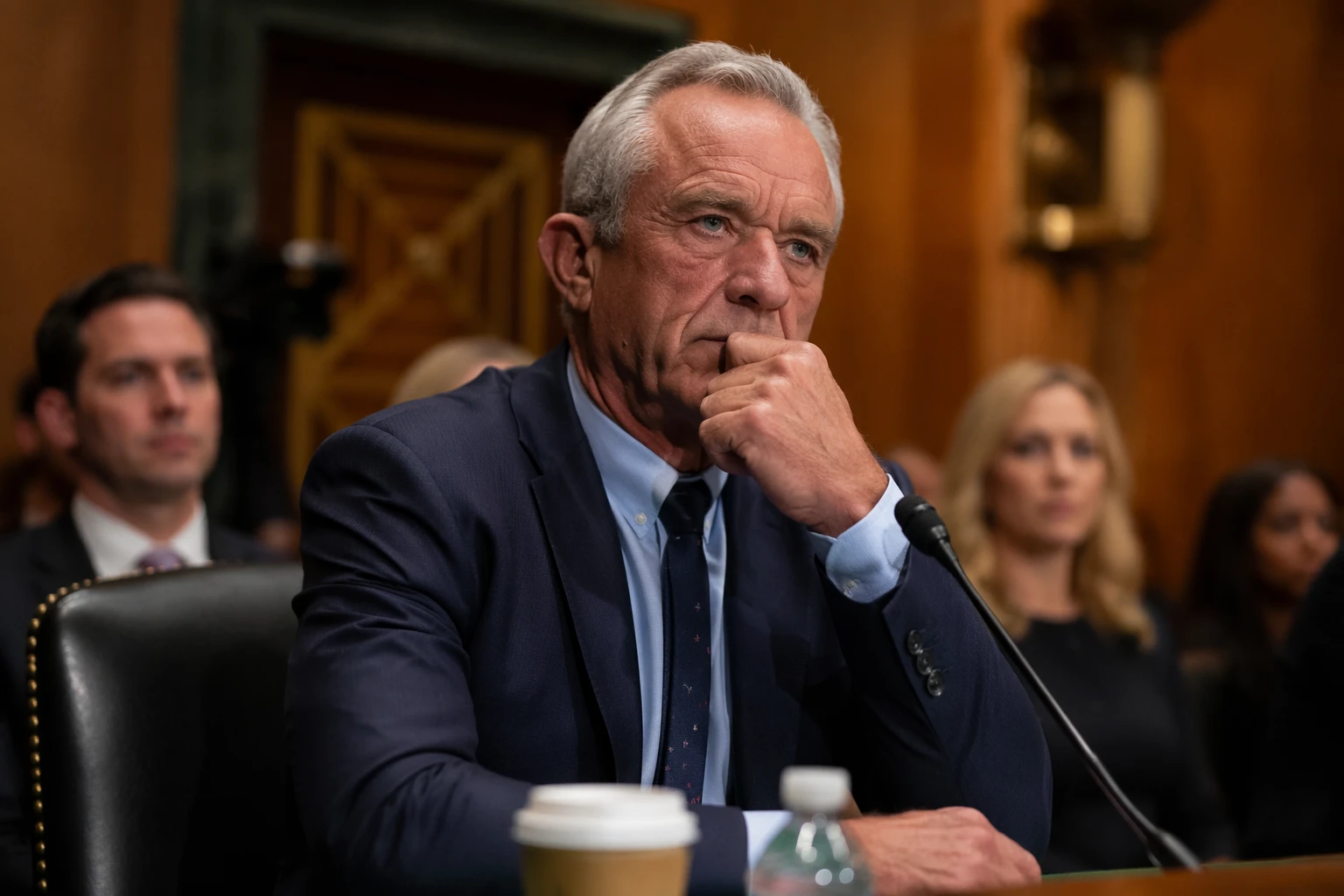
Health Secretary Robert F. Kennedy Jr., who has called himself a “big fan” of peptides and said he has used some himself, has argued the FDA’s 2023 restrictions were illegal. He has also said the agency should focus only on safety, not efficacy. Former FDA officials have rejected that logic, saying the agency’s 2023 move was supported by documented safety concerns and that compounding rules require review of both safety and effectiveness.
The Biden administration in 2023 placed 19 peptides on a restricted list, effectively blocking compounding pharmacies from making them after the FDA said they presented significant safety risks. Critics of loosening the rules warn that a broader compounding pathway could give patients a false sense of confidence in unapproved drugs that have not gone through full clinical testing.
The Alliance for Pharmacy Compounding backs a middle path with guardrails rather than a simple yes-or-no ban. Many peptide products are sold online or through wellness clinics, sometimes labeled “for research use only.”
The new committee includes doctors and pharmacists with financial ties to peptide clinics, pharmacies and online sellers, a shift from earlier FDA compounding panels that were largely made up of university researchers and academics.
Sources
- [1]nbcnews.com
- [2]usnews.com
- [3]kedm.org
- [4]abcnews.com
- [5]propublica.org
- [6]cbsnews.com
- [7]fda.gov
- [8]hhs.gov