Health
FDA warns telehealth firms over misleading weight-loss drug claims
The Food and Drug Administration has escalated pressure on telehealth companies selling compounded weight-loss injections, warning that some marketing blurs the line between cheaper copycats and approved medicines like Wegovy and Ozempic. The agency said 25 warning letters were posted Tuesday and sent earlier in the month to firms including Medica Weight Loss, Ready Med and Clover Meds.
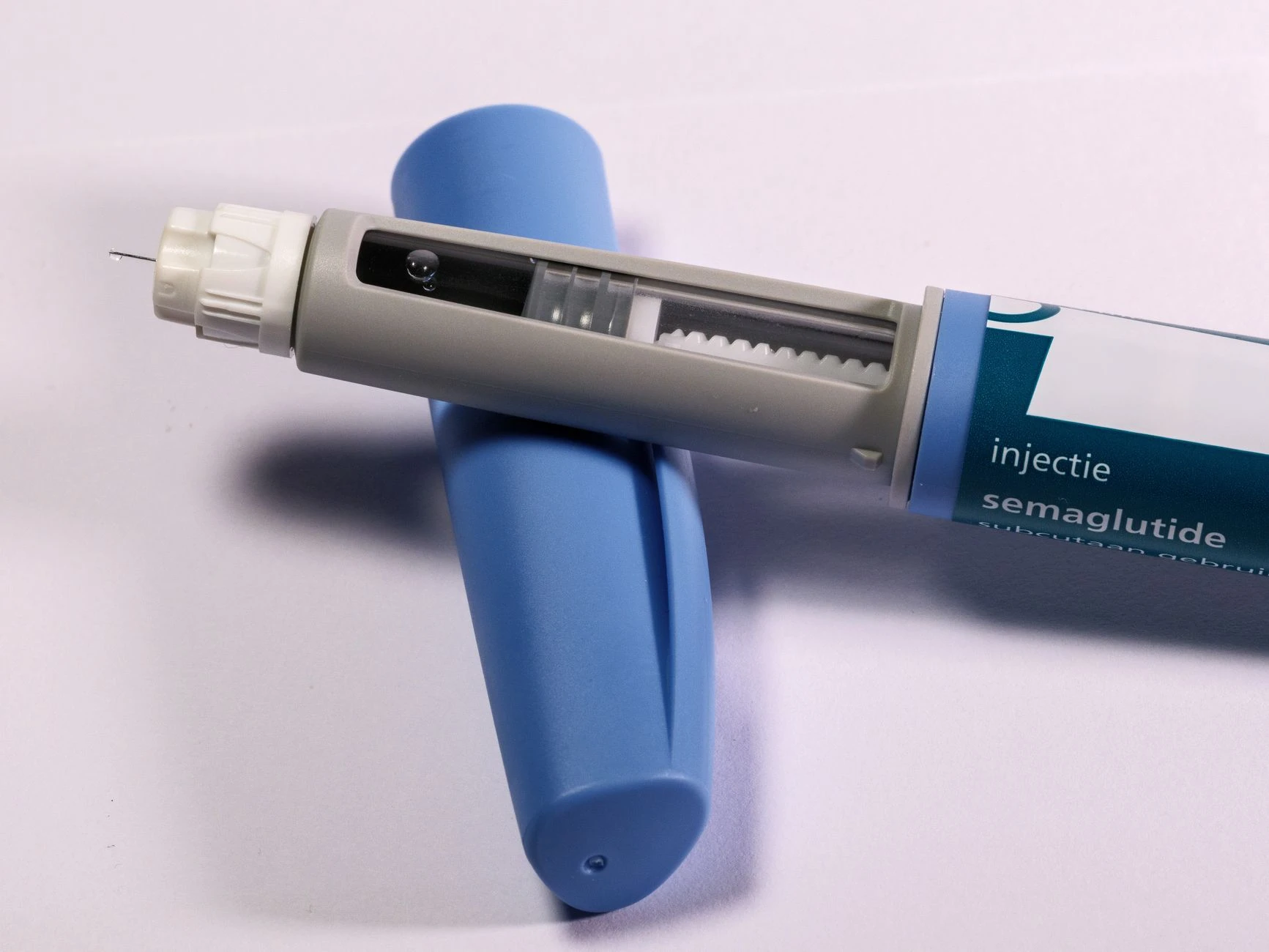
The agency said some companies claimed their compounded semaglutide and tirzepatide products were sourced from FDA-approved pharmacies, had been clinically studied, or were the same as approved GLP-1 drugs from Eli Lilly and Novo Nordisk. That, regulators said, is not just aggressive marketing. Compounded medicines are custom-made by pharmacists or physicians for individual patients, but they are not FDA-approved and are not reviewed for safety, effectiveness or quality before they reach the market.
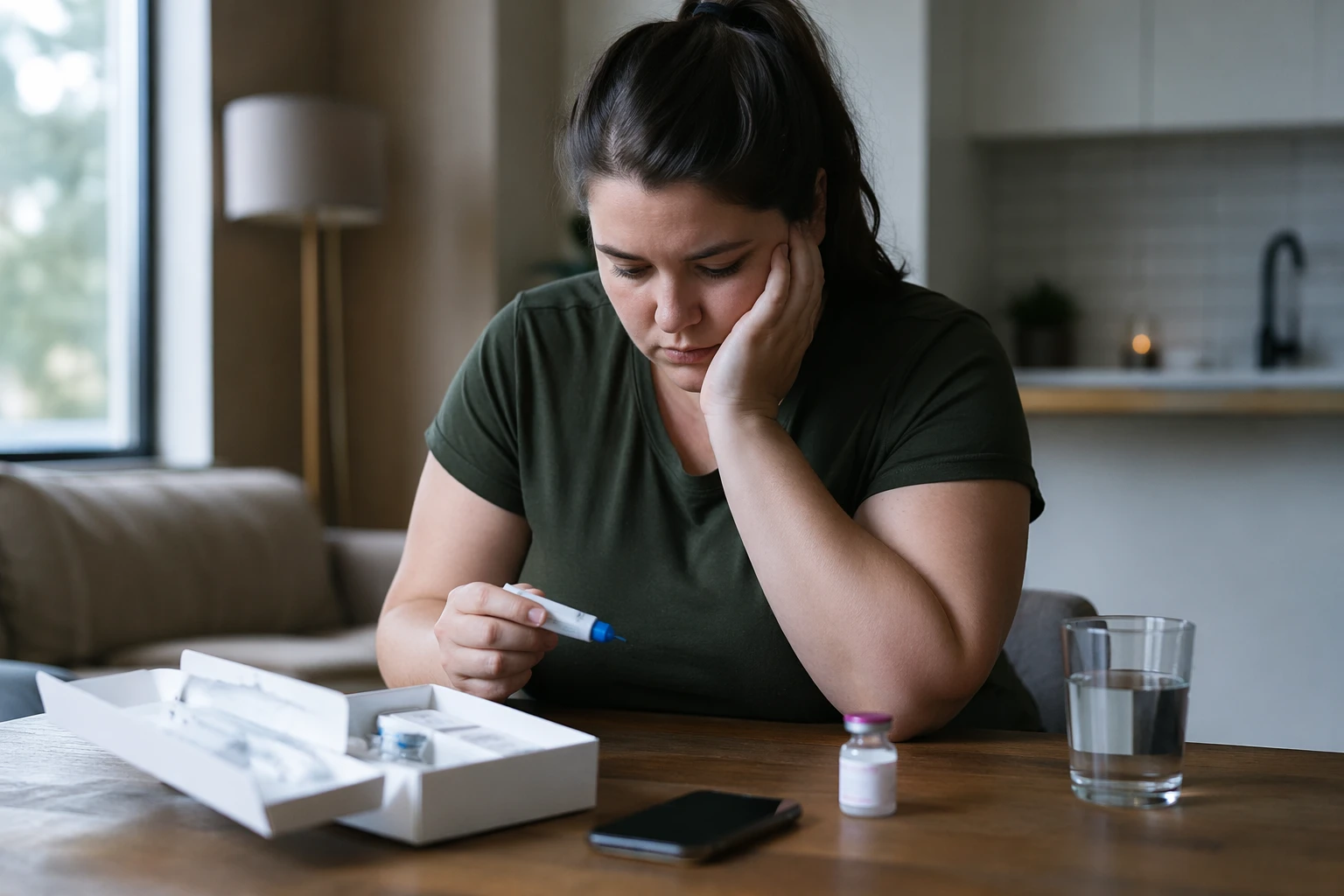
The warning letters land in a market still shaped by shortages, high prices and a rush of online sellers promising access to popular weight-loss drugs. In at least one case, FDA records said a company used language such as “Same active ingredient as Wegovy and Ozempic,” a claim the agency said could make the product misbranded under federal law. The regulator also said some branding suggested the telehealth company itself was the compounder, adding to confusion about who made the product and what standards applied.
The latest letters build on a broader enforcement drive. On March 3, FDA said it had sent 30 warning letters to telehealth companies over similar compounded GLP-1 claims, and Commissioner Marty Makary said the agency was watching misleading claims across media platforms and taking swift action. On February 6, FDA said it intended to restrict GLP-1 active ingredients used in non-FDA-approved compounded drugs and warned companies not to describe them as generic, the same as approved drugs or clinically proven.
FDA has also moved to narrow the supply of bulk ingredients used by compounders. On April 1, the agency clarified that compounded drugs can lose exemption protection if they are essentially copies of commercially available products. On April 30, it proposed excluding semaglutide, tirzepatide and liraglutide from the 503B bulks list, saying it found no clinical need for outsourcing facilities to compound those drugs from bulk substances. Comments on that proposal are due June 29.
The enforcement push sends a clear message to patients navigating shortages and sticker shock: a lower price or a slick online pitch does not make a compounded product equivalent to an FDA-approved drug. FDA says consumers should be wary of claims that a compounded drug is the same as an approved medicine, along with deep-discount pricing, poor packaging, missing instructions or the absence of licensed-doctor screening and follow-up.
Sources
- [1]kfgo.com
- [2]fda.gov
- [3]content.govdelivery.com