Health
FDA weighs broader access to unproven peptides in compounding market
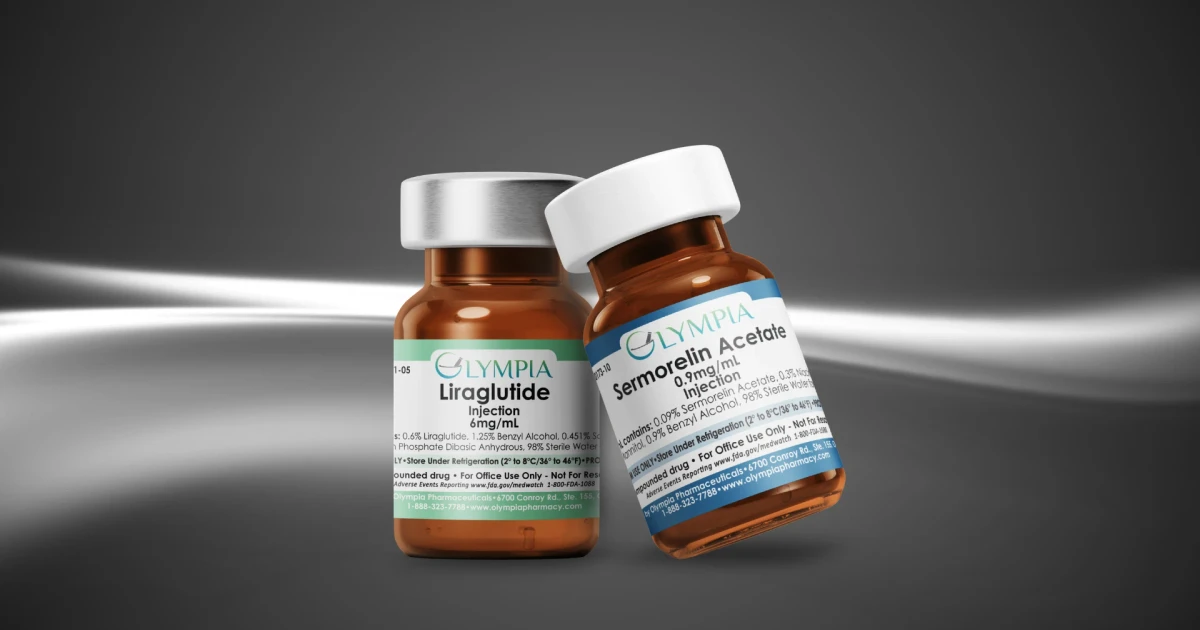
On April 15, 2026, the Food and Drug Administration announced that outside advisers will review seven peptides in July to decide whether pharmacies can safely make them. The move lands in a gray market where peptide therapies are promoted for longevity and wellness, even as FDA reviewers find little evidence to support compounding several popular products.
Compounded drugs are not FDA-approved and are not reviewed for safety, effectiveness or quality before patients receive them. FDA has linked poor-quality compounded drugs to serious harm before, including a 2012 fungal meningitis outbreak tied to contaminated products from a Massachusetts pharmacy that caused more than 750 infections and more than 60 deaths across 20 states. Congress enacted the Drug Quality and Security Act on November 27, 2013.
The agency has also stepped up enforcement against online sales of unapproved peptide products. On February 26, 2025, FDA issued a warning letter to USApeptide.com over the unlawful sale of unapproved and misbranded semaglutide and tirzepatide products to U.S. consumers online. In that letter, the agency warned that such products may be contaminated, counterfeit, contain varying amounts of active ingredients or contain different ingredients altogether.
FDA clarified the rules again on April 1, 2026, as national GLP-1 supply began to stabilize. Compounders cannot routinely make drugs that are essentially copies of commercially available products unless narrow federal conditions are met. When a drug is on the shortage list, a compounded version may be allowed only if compounders satisfy federal law requirements, and prescribers generally must write patient-specific prescriptions under section 503A.
In May 2026, ECRI and the Institute for Safe Medication Practices found that the growing popularity of wellness peptides has outpaced the clinical evidence needed to support their safety and effectiveness. Many remain unapproved for human use and widely available through unregulated channels. A JAMA Viewpoint published on June 15, 2026, found peptide-related hashtags had drawn more than 130,000 Instagram posts and 230 million TikTok views as of May 2026, with BPC-157 increasingly promoted online for muscle growth, recovery and anti-aging even as human data remain limited.
FDA’s current outsourcing-facility registry, updated June 16, 2026, tracks registered compounders.
Sources
- [1]npr.org
- [2]fda.gov
- [3]home.ecri.org
- [4]jamanetwork.com
- [5]nbcnews.com