World
Fears grow over Dartmoor pony cull after grazing reduction order
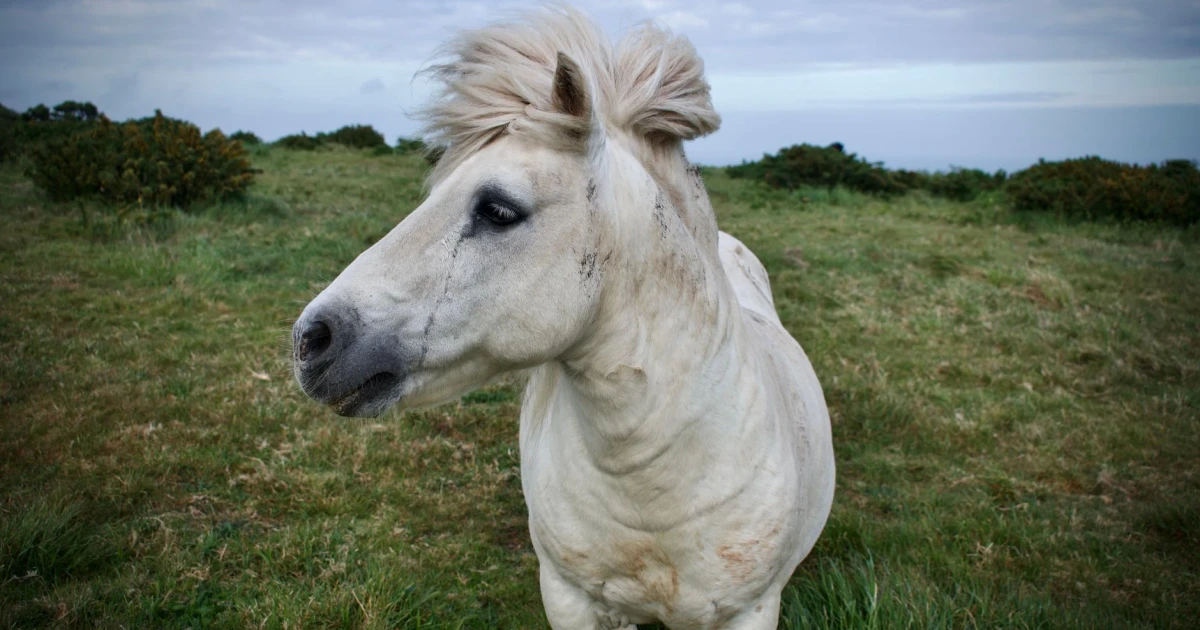
Natural England’s clarification that some Dartmoor areas would need less grazing and some more has sparked fears that the moor’s semi-wild ponies could be cut back sharply. The agency says it did not order a cull and does not have the power to do so, but the language of grazing reduction has still ignited a fierce battle over what Dartmoor should look like, and who gets to decide.
On June 9, Natural England publicly denied that it had recommended a cull, saying the Dartmoor pony is “invaluable for conservation grazing and genetically important.” It said its role is to advise farmers who choose to enter publicly funded grazing schemes, not to direct livestock removals, and it did not deny that some animals might ultimately be taken off the moor as an indirect result of lower stocking levels.
The policy sits on top of a review process that began when Defra ministers commissioned an independent look at protected site management on Dartmoor in April 2023. The Fursdon review was published in December 2023, the government response followed in April 2024, and the central aim was to balance nature recovery with agricultural production, public access, and Dartmoor’s cultural and natural heritage.
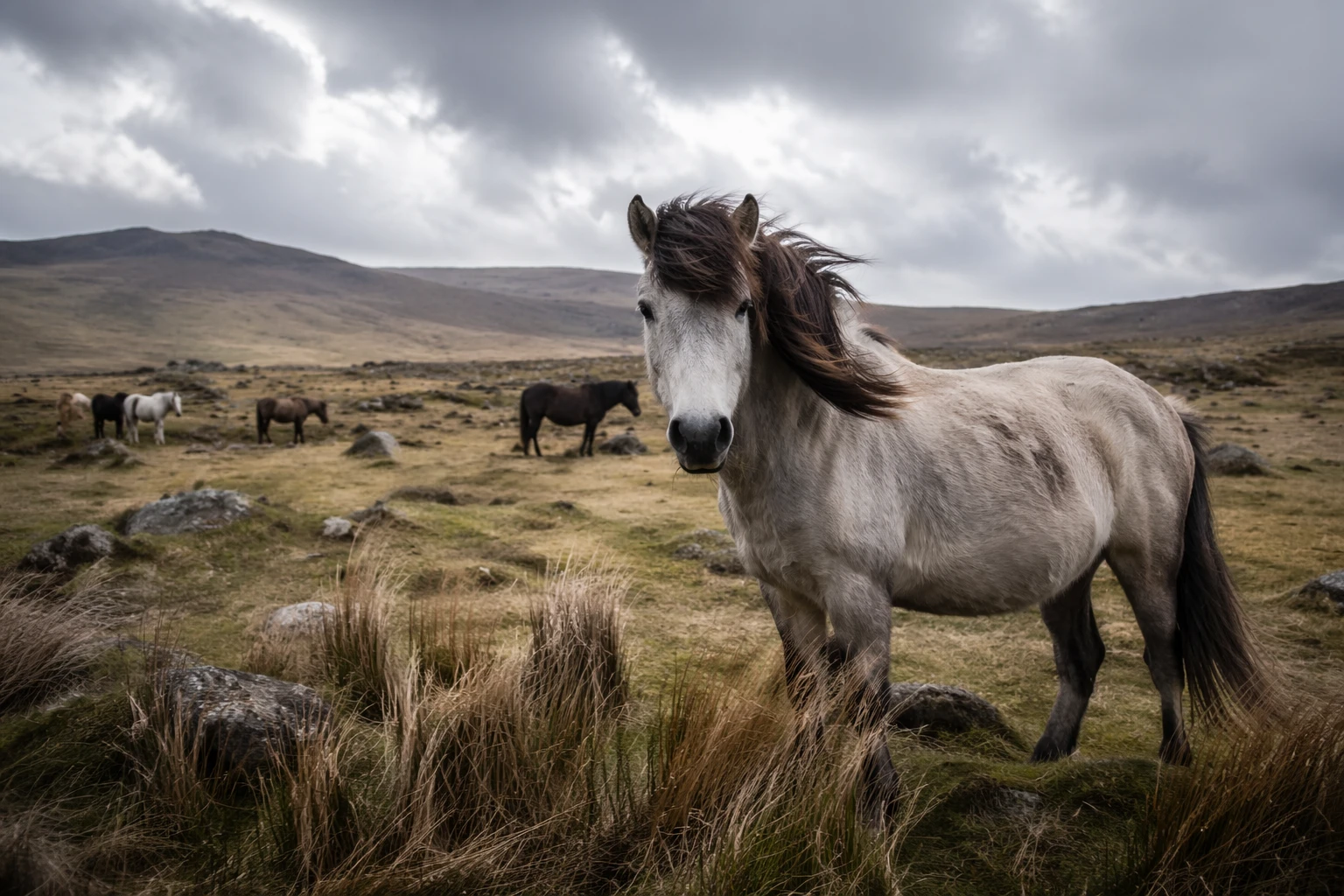
The ecological case for change is stark. Natural England says more than 90% of Dartmoor’s protected landscape is in poor condition, and its evidence review points to a cluster of pressures, including overgrazing, undergrazing, overburning, peat cutting and drainage. Earlier evidence for the national park found only 16% of the Site of Special Scientific Interest area in favourable condition, while 82% was classed as unfavourable recovering, with most of those sites in that state for more than 10 years.
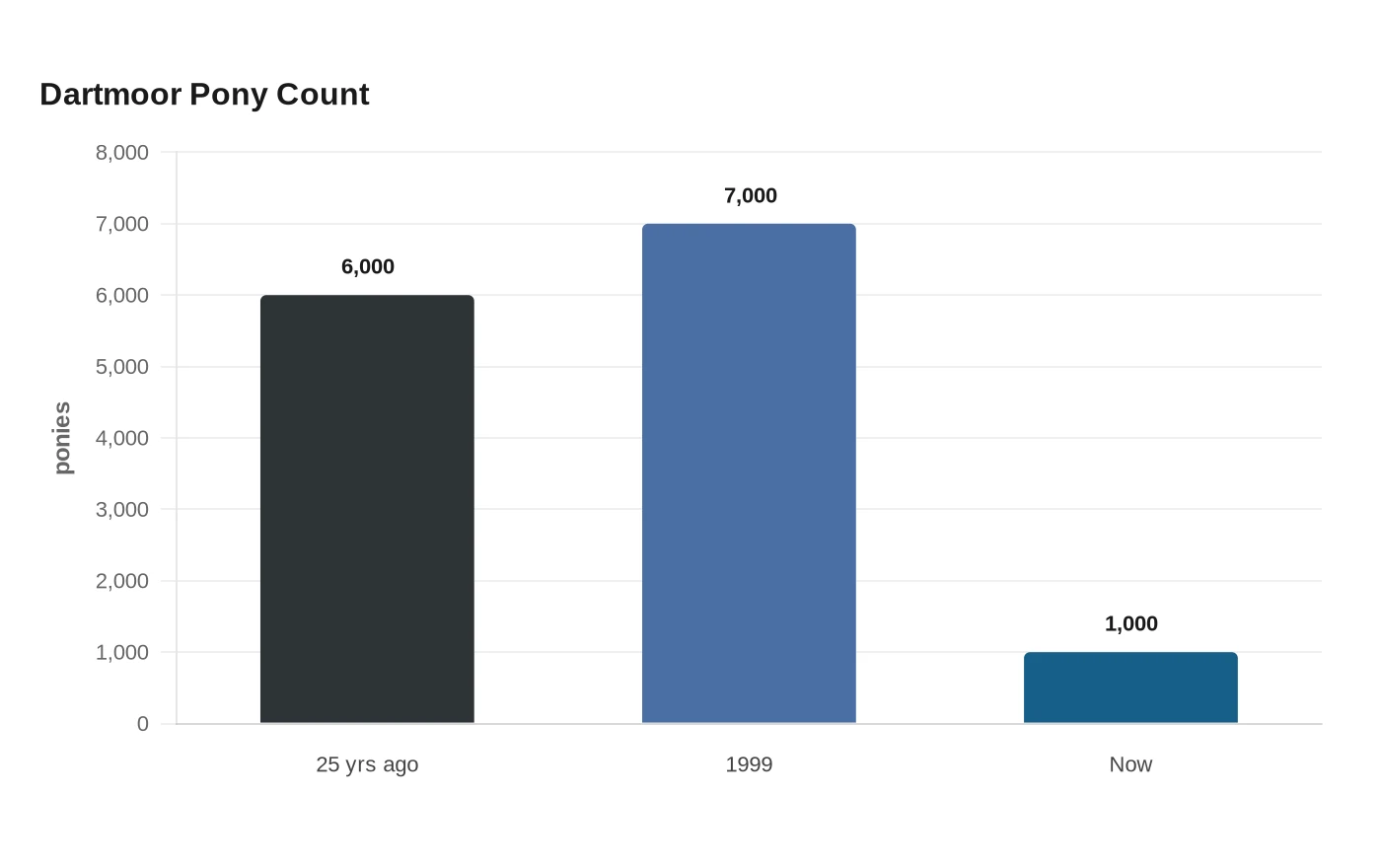
For pony owners, those figures landed as a threat to a herd that many see as part of Dartmoor itself. The Dartmoor Pony Society says ponies have been recorded on the moor since the Middle Ages, and Dartmoor National Park says the pony was chosen as its logo when the park was designated in 1951. Campaigners point to a steep long-term decline, from about 6,000 ponies 25 years ago, or around 7,000 in 1999, to fewer than 1,000 now.
The Dartmoor Hill Pony Association says Natural England’s Countryside Stewardship approach could require a 56% to 89% reduction in the number of all animal types on Dartmoor commons. Some reports and campaigners have warned that pony numbers could fall by up to 93%, a claim that has fuelled outrage from Conservatives and defenders of the herd. Kemi Badenoch called the idea “total madness”, while Guy Shrubsole said the cull claims were nonsense and argued that the real issue was sheep overgrazing. The row has become a test of whether environmental management on Dartmoor can be pursued without turning conservation into a fight over rural identity.