Business
Fed faces rising inflation in first rate decision under Warsh
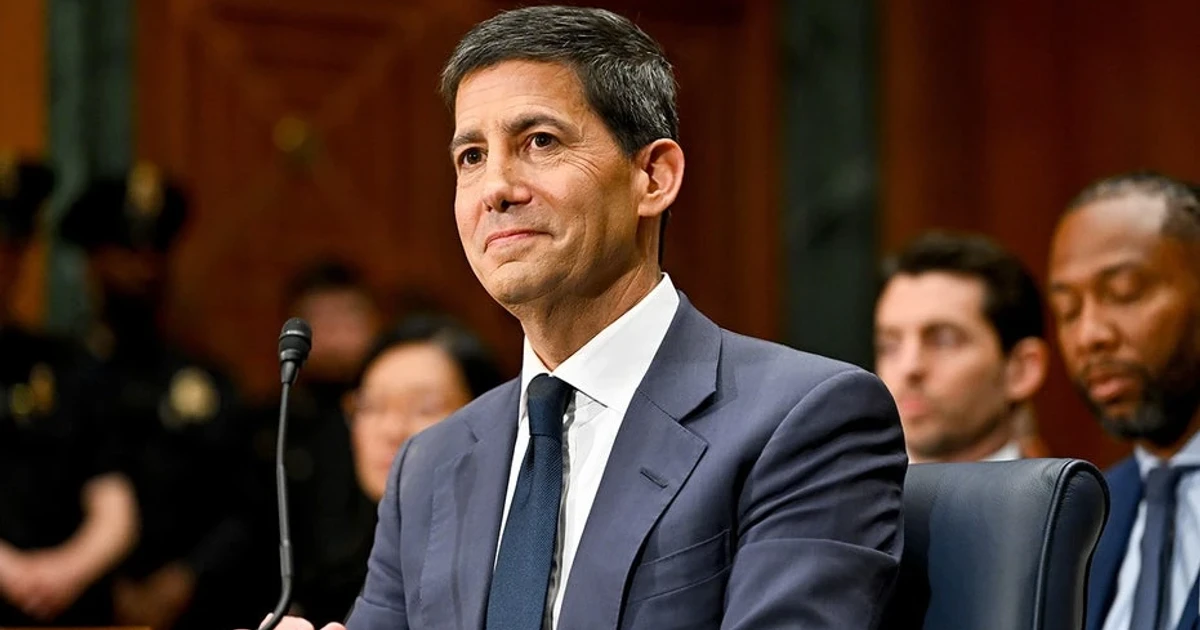
Kevin Warsh entered his first rate decision as Federal Reserve chair with inflation still running hot enough to squeeze household budgets even if policymakers leave borrowing costs unchanged. The Consumer Price Index rose 0.5% in May and was up 4.2% from a year earlier, the steepest annual increase since 2023, while energy prices climbed 3.9% in the month and 23.5% over 12 months.
Warsh, nominated by President Donald J. Trump on March 4 and sworn in on May 22 after Senate confirmation on May 12 and May 13, replaced Jerome H. Powell, whose term as chair ended the same day. The Fed named Powell chair pro tempore until Warsh took office, and the new chair now faces inflation readings that remain above the central bank’s 2% target. The Atlanta Fed’s underlying inflation dashboard, updated June 10, put core CPI at 2.9% and core PCE at 3.3%, underscoring that price pressures have not cooled enough to make rate relief easy.
For households, the first place a steady-rate decision tends to show up is in revolving credit. CNBC notes that many shorter-term consumer rates are tied closely to the prime rate, which is typically about 3 percentage points above the federal funds rate. That means credit cards, home-equity lines and some personal loans are likely to stay expensive if the Fed holds steady, especially for families already carrying balances from prior months of high food, rent and energy costs.

Mortgage borrowers would feel the effects more indirectly, but not less sharply. Thirty-year mortgage rates do not move one-for-one with the federal funds rate, yet they are influenced by inflation expectations and the path of policy. With core inflation still elevated and the latest CPI report showing a 4.2% annual rise, lenders have little reason to rush lower offers on new home loans. Car buyers face a similar lag: auto loan rates can ease only gradually, which keeps monthly payments high even when the policy rate does not budge.
Savings accounts are the one bright spot, though only partly. Banks usually lift deposit yields more slowly than they raise lending rates, so savers can still earn more than they did before the tightening cycle, but not necessarily enough to outrun the 4.2% annual inflation rate. Small businesses face the same squeeze through credit lines and equipment financing, which tend to reprice quickly when the prime rate remains elevated.

The Federal Open Market Committee meets eight times a year, and its minutes are released three weeks after each decision. For consumers, the immediate message is simple: when inflation stays above target, the costs of borrowing remain sticky first, while any benefit for savers arrives only gradually.
Sources
- [1]cbsnews.com
- [2]federalreserve.gov
- [3]bls.gov
- [4]atlantafed.org
- [5]cnbc.com