Business
Fed holds rates steady, signals possible hike later this year
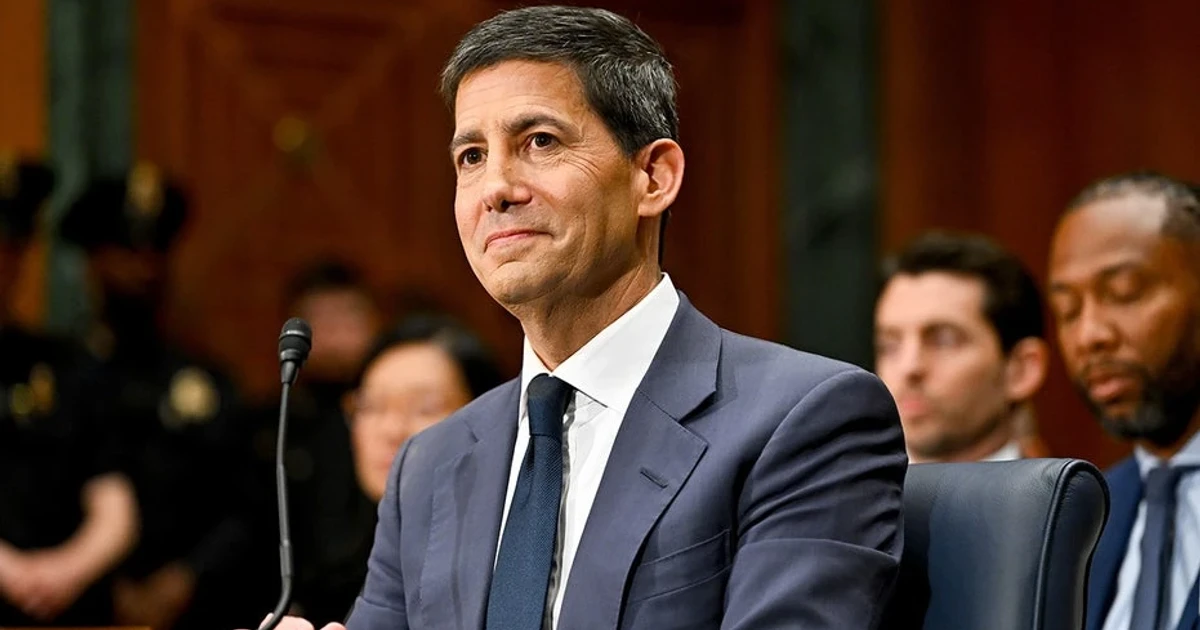
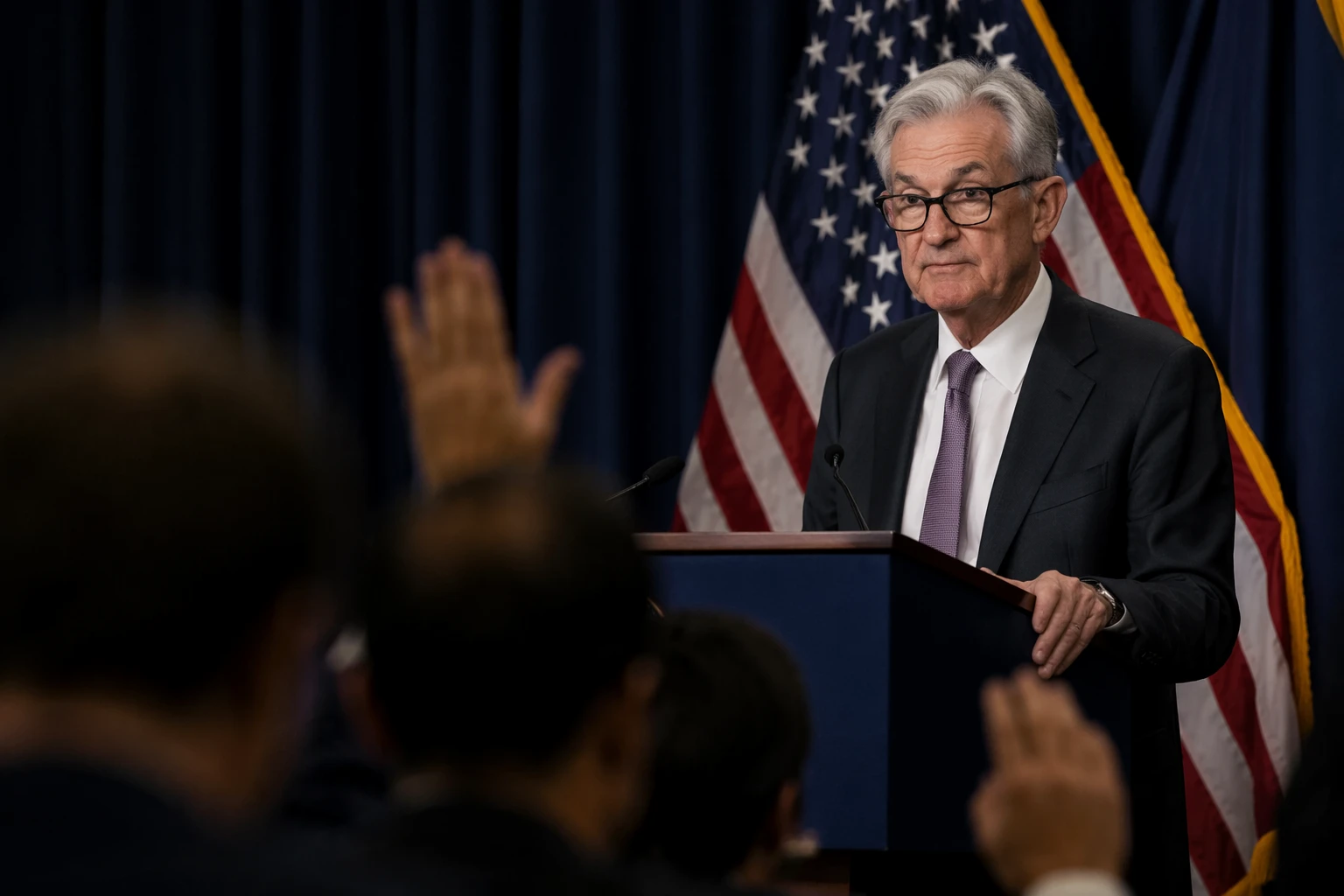
The Federal Reserve kept interest rates unchanged on Wednesday even as inflation stayed well above its 2% target, underscoring a policy split between defending growth and fighting persistent price pressures. In a unanimous 12-0 vote, officials left the benchmark federal funds rate in a target range of 3.5% to 3.75%, while signaling that another move higher later this year is now on the table.
The central bank said economic activity was expanding at a solid pace despite elevated uncertainty tied in part to conflict in the Middle East. It also said inflation remained elevated relative to its 2% goal, pointing to supply shocks, including energy, as one source of pressure. The decision marked Kevin Warsh’s first rate-setting meeting as Fed chair, and he said he is committed to bringing inflation back to 2%.
Warsh declined to submit his own dot-plot projection, but the Fed’s updated forecast showed a more hawkish tilt. Nine officials now expect at least one rate hike by the end of 2026, and the median projected year-end fed funds rate rose to 3.8% from 3.4% in March. The Fed also dropped language that had suggested a bias toward future cuts, a clear sign that policymakers are no longer leaning toward easier policy.
For households, the message is blunt: borrowing costs may stay high for longer, and they could rise again. Mortgage rates do not move one-for-one with the Fed, but a higher policy rate tends to keep home loans expensive. Credit card APRs and many auto loans also remain sensitive to Fed policy, so a hike later this year would keep pressure on monthly payments just as families are still paying elevated prices for food and fuel.
Markets had largely prepared for the pause, but not for the prospect of a firmer stance later in 2026. Interest-rate futures were pricing in at least one hike by year-end, and a stronger-than-expected May jobs report added to that shift by suggesting the labor market still has enough momentum to let policymakers keep rates restrictive. Even so, most economists think the central bank may hold the line: 72 of 102 surveyed expected the key rate to stay in its current range for the rest of 2026, and none expected a cut at this meeting.

The backdrop remains unusually complicated. Gasoline prices fell below $4 a gallon for the first time since March after a U.S.-Iran accord, but fuel and grocery prices are still elevated. With inflation sticky, the Fed is signaling that protecting price stability may now matter more than easing financial conditions, even if that leaves households paying more for longer.
Sources
- [1]abcnews.com
- [2]federalreserve.gov
- [3]money.usnews.com
- [4]cnbc.com
- [5]bloomberg.com