Business
Fed minutes show split on rates as inflation stays top concern
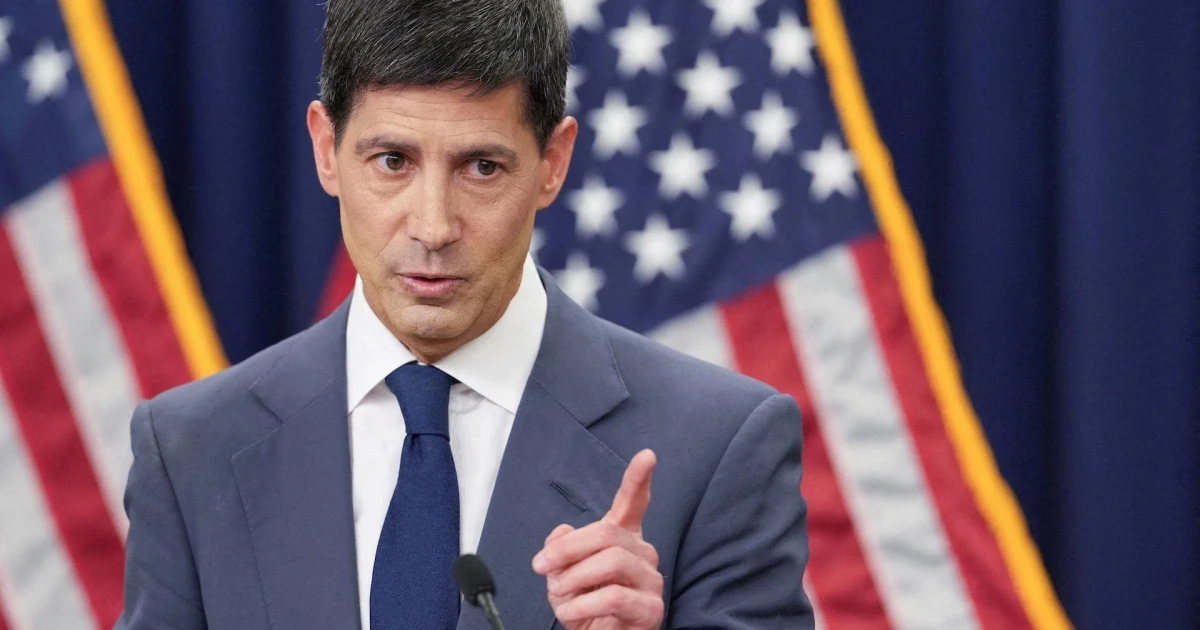
The Federal Reserve held its benchmark rate at 3.50% to 3.75% on June 16-17, and the minutes released July 8 showed inflation still driving the debate. That leaves household borrowing costs sensitive to the next move, from mortgages and auto loans to credit-card balances and business credit.
Kevin Warsh’s first meeting as Fed chair came with a sharper inflation backdrop in the central bank’s own projections. Eighteen participants submitted forecasts, one without a 2028 projection, and the median participant lifted the expected federal funds rate for the end of 2026 to 3.8% from 3.4% in March. At the same time, the median 2026 core PCE inflation forecast rose to 3.3% from 2.7%, while the unemployment forecast edged down to 4.3% from 4.4%, a combination that suggests policymakers see price pressure as a bigger problem than labor-market weakness.
The minutes also showed how closely the Fed is watching markets. The Desk survey pointed to no change in rates at the June meeting and just one hike priced for mid-2027, while the nominal 10-year Treasury yield had climbed about 20 basis points since the April meeting and about 50 basis points since the conflict in the Middle East began. The Fed said asset prices were influenced by the Middle East conflict, solid real economic data, higher inflation readings and ongoing artificial intelligence investment, and it noted that optimism around a possible Iran breakthrough pushed oil futures and near-term inflation compensation lower.
For investors and borrowers, the next signal arrives on Tuesday, July 14, at 8:30 a.m. ET, when the Bureau of Labor Statistics releases the June consumer price index. A hot reading would strengthen the case for keeping policy tight longer, while a softer number would give officials more room to justify patience after a meeting in which the policy path already tilted more hawkish than it did in March.
Sources
- [1]money.usnews.com
- [2]federalreserve.gov
- [3]economics.td.com
- [4]cnbc.com
- [5]bls.gov
- [6]finance.yahoo.com