Business
Fed official’s Bank of America dinner raises quiet-period questions
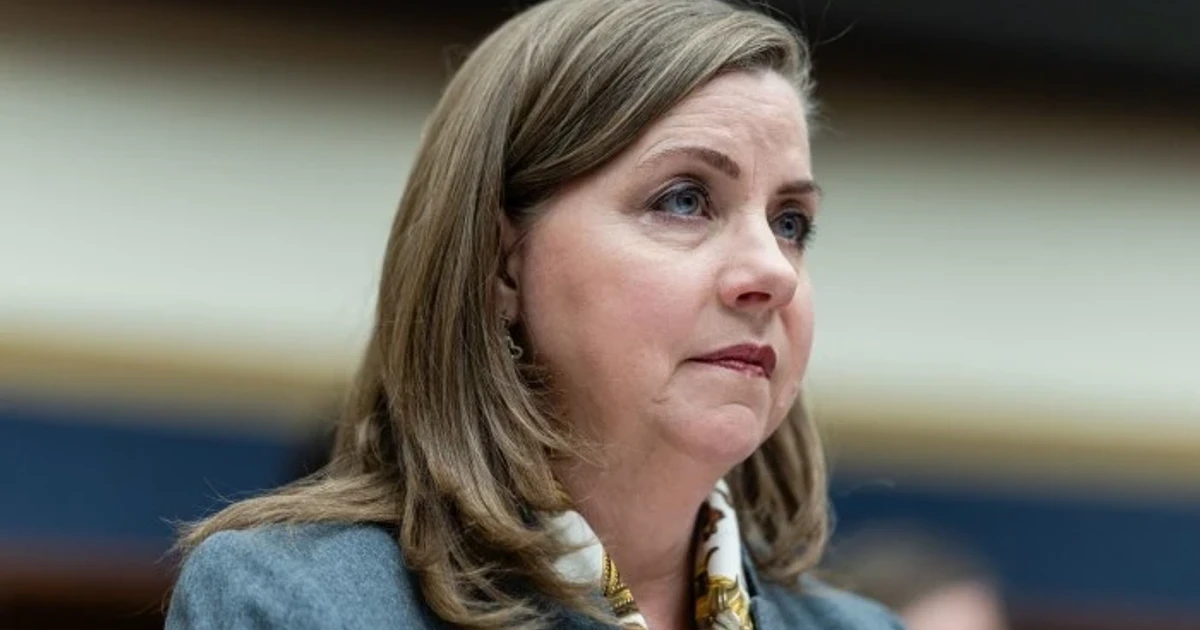
Michelle W. Bowman sat down with Bank of America clients in New York on Wednesday evening, June 18, 2026, just hours after the Federal Reserve announced its latest policy decision, and the timing immediately put the central bank’s quiet-period rules under a harsher light. Bowman, the Fed’s vice chair for supervision and a Trump-appointed governor, was speaking at an invitation-only dinner while the June blackout window for Federal Open Market Committee participants was still in force.
That blackout ran from Saturday, June 6, through Thursday, June 18, and Fed policy bars participants from external communications about monetary policy during that period. The point is not silence for its own sake. The Fed says the communication rules are meant to protect the integrity of monetary-policy messaging while still preserving regular contacts with the public that help officials gather economic and financial information.
That balance is what makes Bowman's appearance noteworthy. A private dinner with a major Wall Street bank’s clients does not carry the same weight as a formal policy statement, but the optics matter in a system that depends heavily on public confidence in the fairness and discipline of its communications. In an environment where every phrase from a Fed official can move Treasury yields, stock prices and lending expectations, privileged access can be almost as sensitive as explicit guidance.
Bowman had already been active in public-facing Fed work in the days leading up to the blackout. She delivered a speech on monetary policy on May 29 in Reykjavík, Iceland, discussing practical monetary-policy decision making, and testified before the U.S. House Committee on Financial Services on June 4 on supervision and regulation. That record underscores how central she was to the Fed’s public messaging even before the communications freeze took effect.
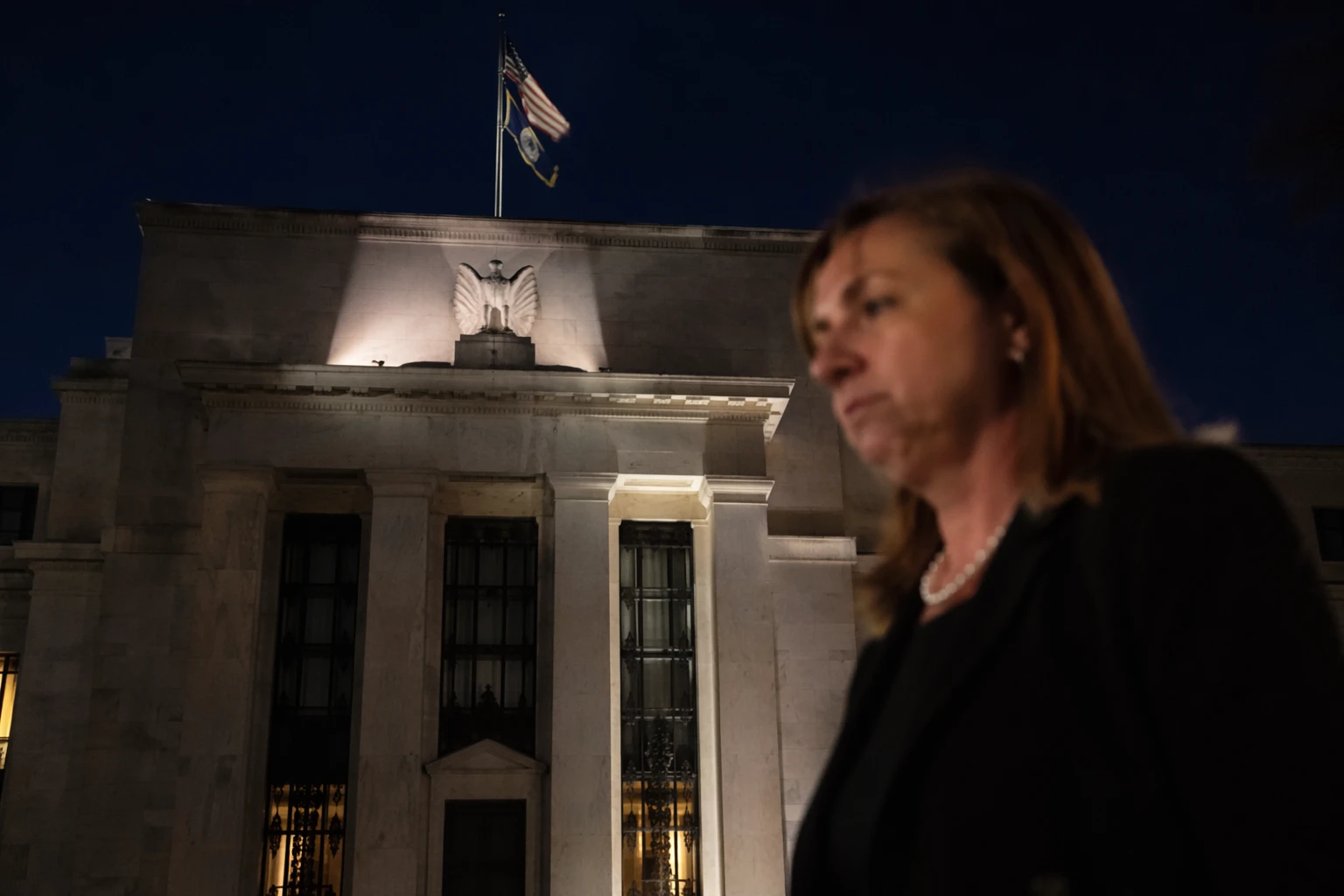
The episode also arrived at a delicate institutional moment. Kevin Warsh had just held his first press conference as Fed chair after the June 2026 rate decision, putting the central bank’s communication norms and leadership culture under unusually close scrutiny. When a senior Fed regulator appears privately before bank clients during a blackout period, the issue is not only whether policy was discussed. It is whether the Fed can keep drawing a clear line between open economic exchange and the appearance of special access.
The controversy fits into the Fed’s broader post-2022 tightening of conduct rules, when the central bank extended the financial trading blackout period to align with its communications blackout. That change reflected a simple lesson: the institution’s credibility rests not just on policy outcomes, but on the public belief that its senior officials are not testing the boundaries of access when markets are hanging on every signal.