Business
Fed says tariffs, energy costs and AI boom are fueling inflation
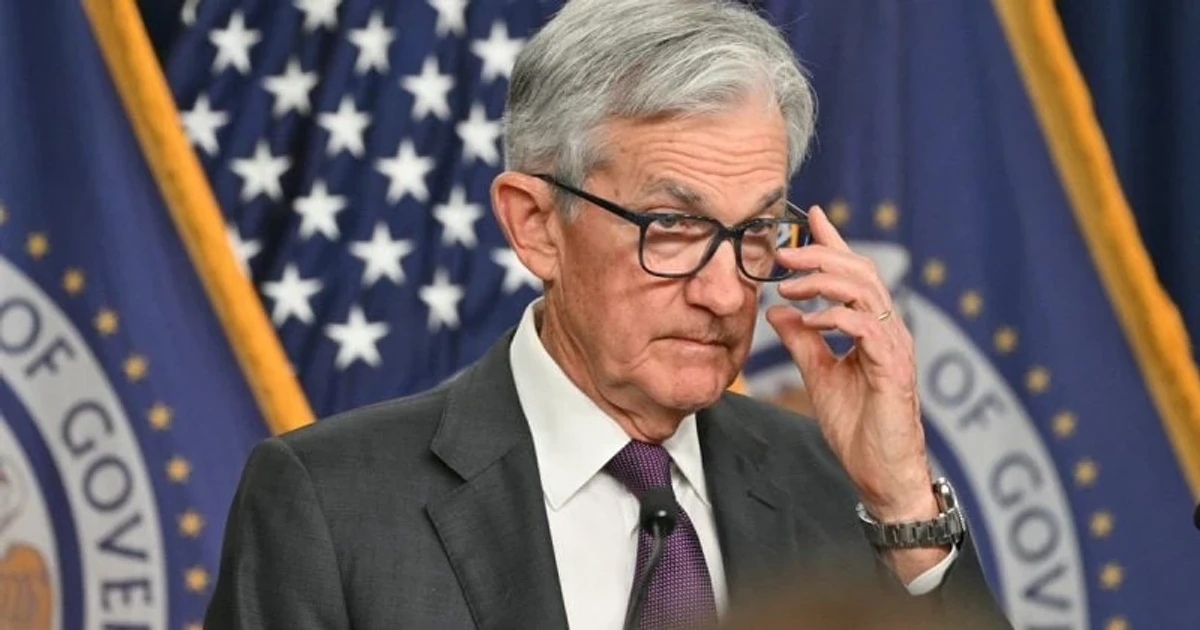
The Federal Reserve told Congress on Friday that inflation stepped up further this spring as tariffs, higher energy costs tied to the Middle East conflict and the AI investment boom collided in the same economy. The central bank said its preferred Personal Consumption Expenditures price index was still running at roughly double its 2% goal in May, a reading that kept pressure on household budgets even as policymakers weighed whether to hold rates steady or move higher later this year. The report landed as Kevin Warsh prepared to face lawmakers next week, giving Congress a fresh look at how the Fed is reading the inflation surge.
The new policy report framed the economy as solid but uneven. The Fed said labor-market conditions had stabilized, with the unemployment rate at 4.2% in June and layoffs subdued, but it also said vacancies had been flat and the labor force had stagnated as immigration slowed sharply and aging reduced participation. That mix of fewer available workers and still-firm demand has made inflation harder to cool, especially when import costs and energy prices are also climbing.
The growth picture looked stronger on paper than in the parts of the economy households feel most directly. The Fed said gross domestic product expanded at a 2.1% annual pace in early 2026, helped by booming AI investment, but restrained by a stagnant housing market and only modest household spending. The Federal Reserve Bank of San Francisco has said business investment, particularly in AI infrastructure, was the largest contributor to first-quarter growth, a sign that data-center and technology spending were doing real work in keeping the economy moving.
Policy makers had already signaled caution. Their June 16-17 meeting left the federal funds target range unchanged at 3.50% to 3.75%, but the June Summary of Economic Projections lifted the median 2026 core PCE inflation forecast to 3.3% and the median 2026 federal funds rate projection to 3.8%, pointing to the possibility of a rate increase later in the year. The board also kept the interest rate paid on reserve balances at 3.65% effective June 18.

Recent government data underscored why the Fed’s inflation worries have sharpened. The Bureau of Economic Analysis said personal consumption expenditures rose 0.7% in May and that headline PCE inflation was 4.1% year over year, with core PCE at 3.4%. The Bureau of Labor Statistics said the May consumer price index rose 4.2% from a year earlier, with energy prices up 3.9% on the month and accounting for more than sixty percent of the monthly increase. June payrolls rose only 57,000, and the labor-force participation rate fell to 61.5%, its lowest since March 2021, leaving the Fed with a labor market that is not breaking but is not loosening enough to make inflation disappear quickly.
Sources
- [1]finance.yahoo.com
- [2]federalreserve.gov
- [3]bea.gov
- [4]bls.gov
- [5]frbsf.org
- [6]reuters.com