Business
Fed set to hold rates as Warsh faces first test in June meeting
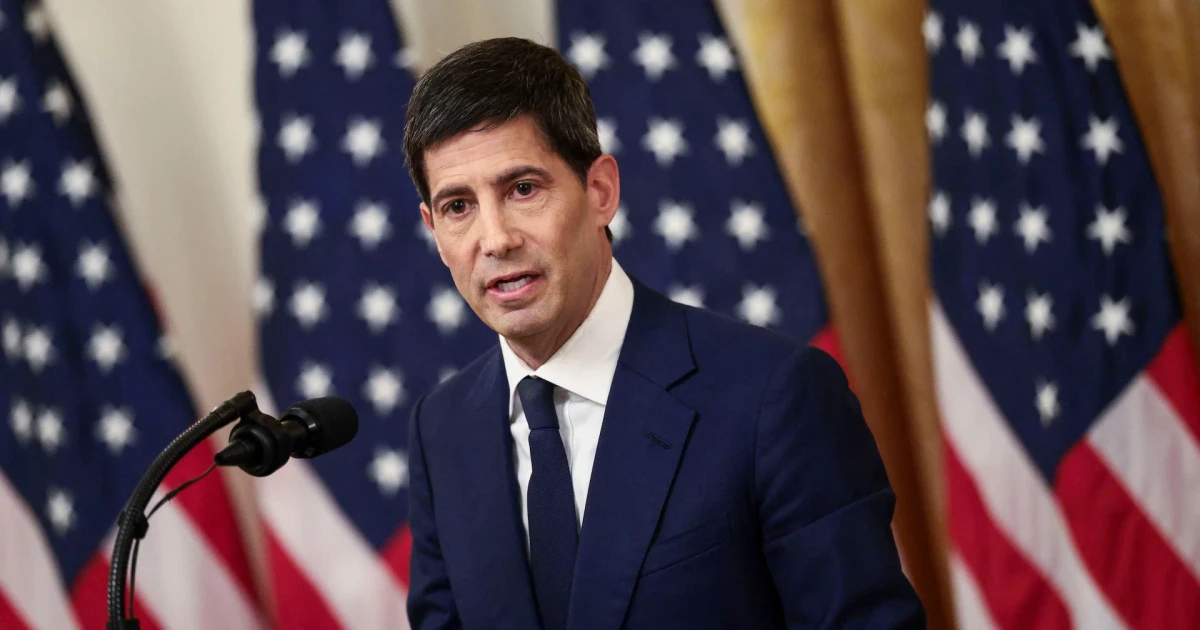
The Federal Reserve was set to keep its benchmark rate in the 3.50% to 3.75% range at the June 16-17 meeting, giving Kevin Warsh his first real test as chair after he took the oath of office on May 22 and the Federal Open Market Committee unanimously chose him the same day. A Reuters poll cited by U.S. News found 72 of 102 economists expected a hold and none expected a cut, while the policy statement was scheduled for 2:00 p.m. ET on Wednesday, followed by Warsh’s 2:30 p.m. press conference and a 4:15 p.m. H.15 release on selected interest rates.
The first signal to watch was the rate decision itself. A hold would have kept borrowing costs elevated for mortgages, auto loans and credit cards, even as savings accounts and money market funds continued to benefit from higher short-term yields. The Fed’s mandate is to support maximum employment, stable prices and moderate long-term interest rates, so keeping policy steady would have signaled that officials still saw inflation as the tougher problem than an abrupt weakening in the labor market. Minutes of the meeting were due three weeks later, extending the wait for more detail.
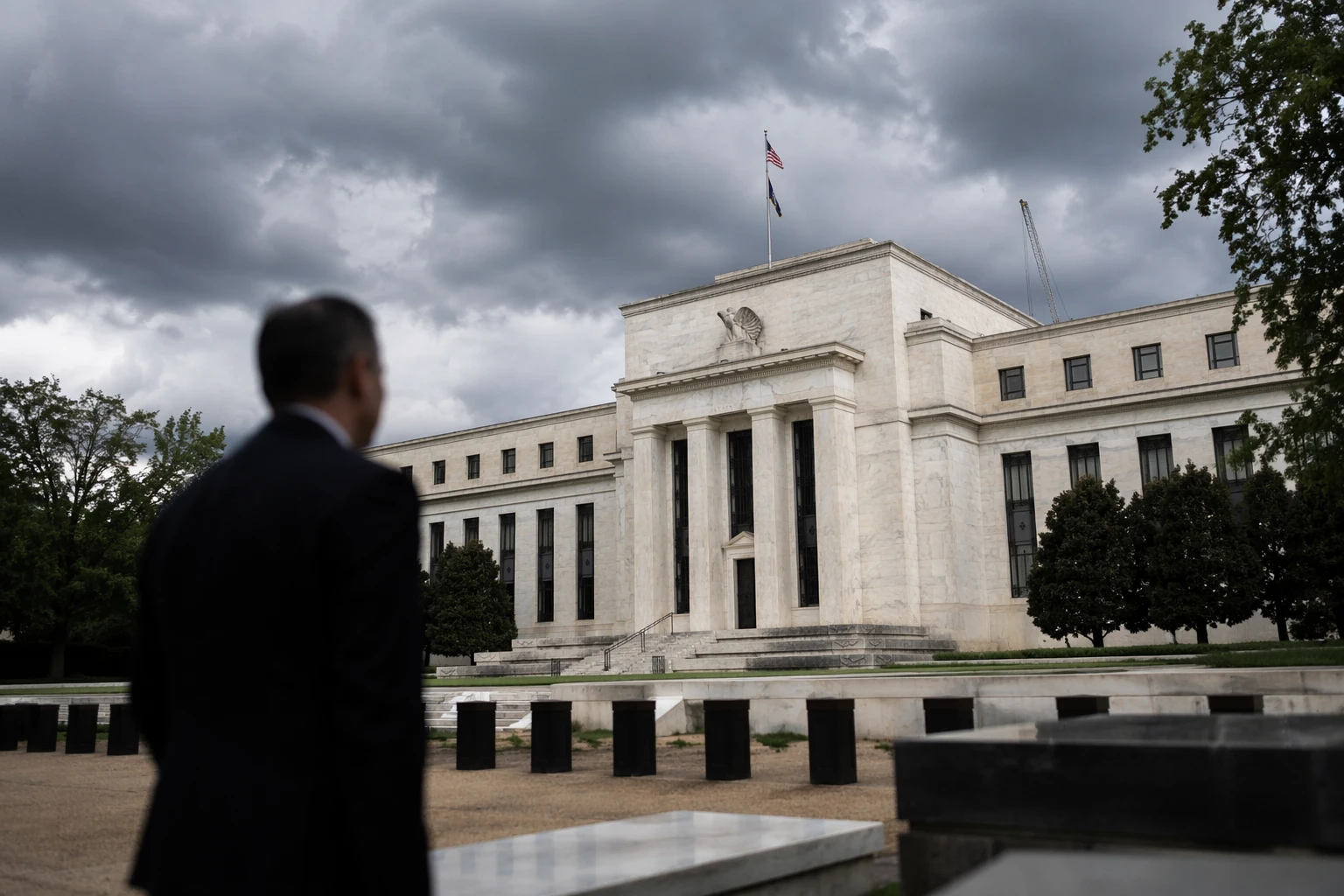
The second signal was the dot plot, because June was a Summary of Economic Projections meeting. The Fed was due to publish updated forecasts for GDP growth, unemployment, inflation and the federal funds rate, and that path would have told markets whether officials still saw room for cuts later in the year or expected policy to stay restrictive for longer. For households, that mattered beyond Wall Street: a flatter rate path would keep mortgage pricing and other borrowing costs higher, while a more dovish map would hint at cheaper credit ahead and a softer drag on hiring plans.
The third signal was the wording on inflation and labor. In its April statement, the committee said it would weigh labor market conditions, inflation pressures, inflation expectations and financial and international developments, and Powell said labor demand had clearly softened even as inflation had moved up and remained elevated relative to the 2% goal. Any shift in that language under Warsh would have been read as a clue to recession odds: softer labor wording would raise concern about slower hiring and weaker growth, while a harder line on inflation would justify keeping policy tight longer. Banking watchers also had another marker on the calendar, with annual stress test results due June 24 at 4:00 p.m. EDT.
Sources
- [1]nytimes.com
- [2]federalreserve.gov
- [3]usnews.com