Business
Fed to release bank stress test results June 24
The Federal Reserve will publish its annual bank stress test results on June 24, giving investors, depositors and regulators a fresh read on whether the biggest U.S. lenders can absorb heavy losses and keep credit flowing in a severe downturn. The release will cover 32 large banks, but it will not change capital requirements right away because the Fed already voted on Feb. 4 to keep the current stress-test-related buffers in place until 2027.
That makes the June 24 disclosure more of a transparency test than a policy trigger, even as it lands at a moment when market participants are looking past broad recession assumptions and toward more specific fault lines. The Fed’s 2026 scenario includes a severe global recession, stress in commercial and residential real estate, and weakness in corporate debt markets, a combination meant to probe how the largest firms would handle multiple shocks at once rather than a single isolated problem.
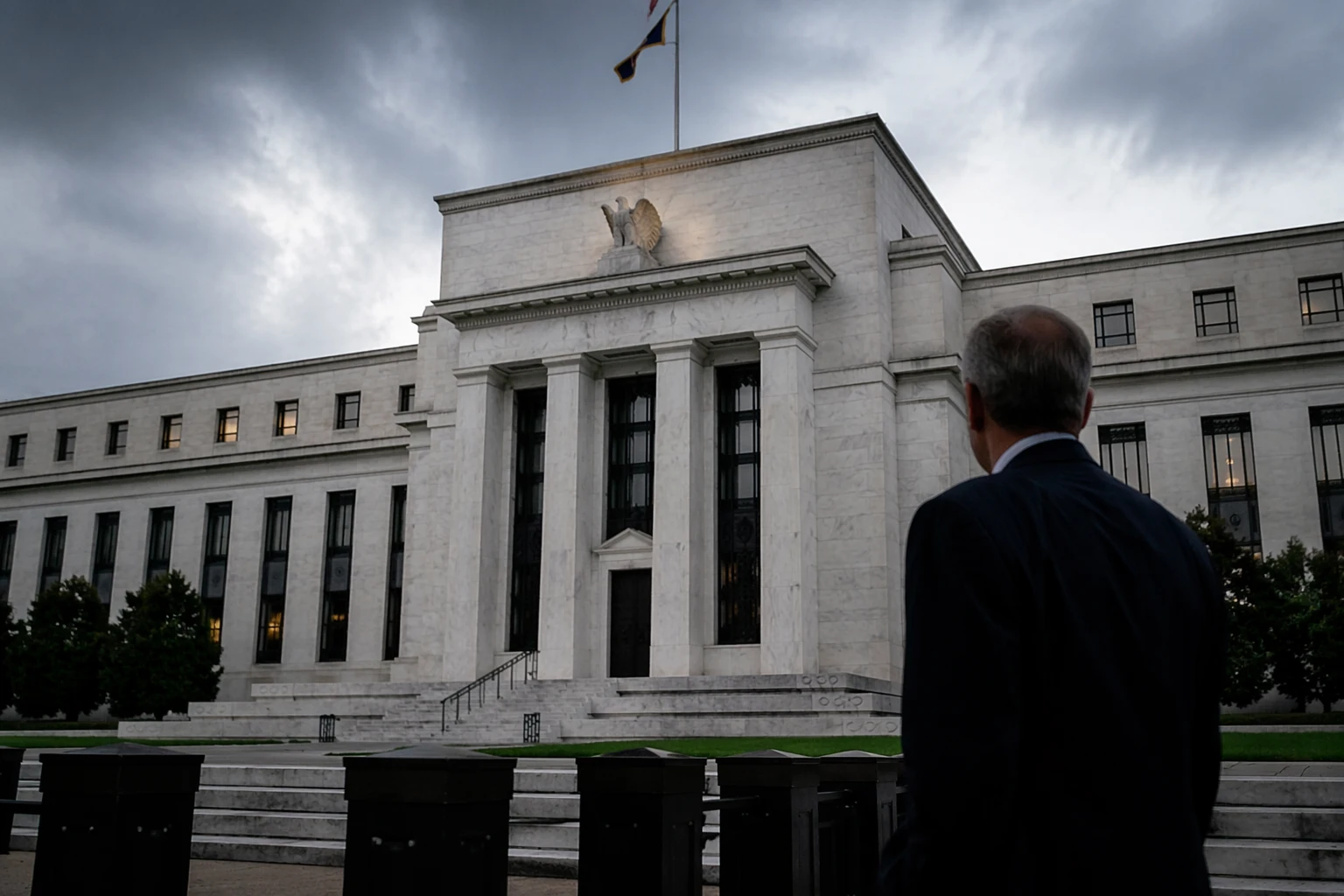
Under the Dodd-Frank Act, the Fed’s stress tests are designed to estimate losses, net revenue and capital levels under hypothetical recession conditions. The central bank says the exercise is meant to show whether banks have enough capital to absorb losses and still lend to households and businesses, while also meeting obligations to creditors and counterparties. The results are released bank by bank each year, allowing the public to compare which institutions enter a downturn with the deepest cushions.
The 2025 test offers a useful benchmark. It covered 22 large banks and showed they could absorb nearly $550 billion in losses while remaining above minimum capital requirements and continuing to lend. In that scenario, the aggregate common equity tier 1 capital ratio was projected to fall from 13.4 percent to a minimum of 11.6 percent before recovering. The Fed later finalized the 2025 large-bank capital requirements, with an effective date of Oct. 1, 2025.
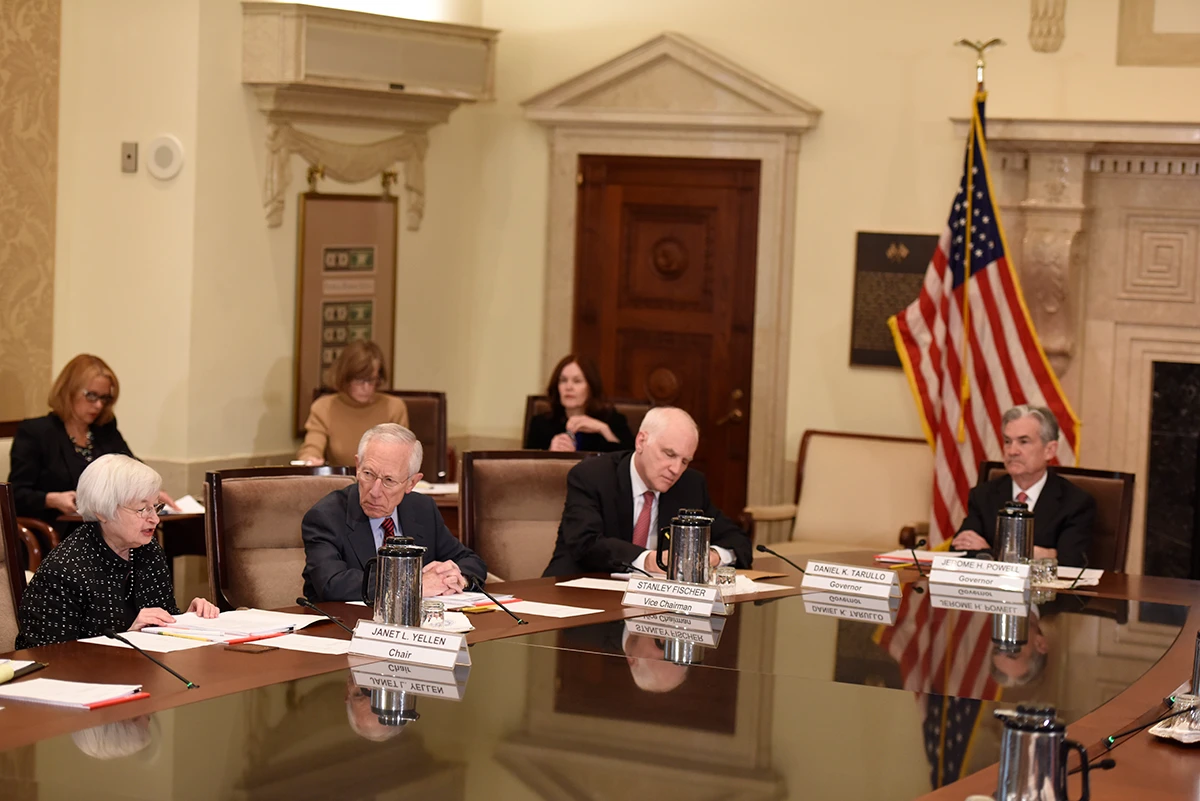
The current cycle has also become a test of the Fed’s own process. The central bank extended the comment period on its stress-test transparency proposal until Feb. 21, 2026, and Governor Michael S. Barr objected to the decision to freeze the stress capital buffer update cycle, warning that it would leave requirements at outdated levels. For now, the June 24 results will not rewrite the rules, but they will show where the system still looks resilient and where pressure could build if recession, property losses and credit-market stress hit at the same time.