Business
Federal Agencies Quietly Test Anthropic AI Despite Ban
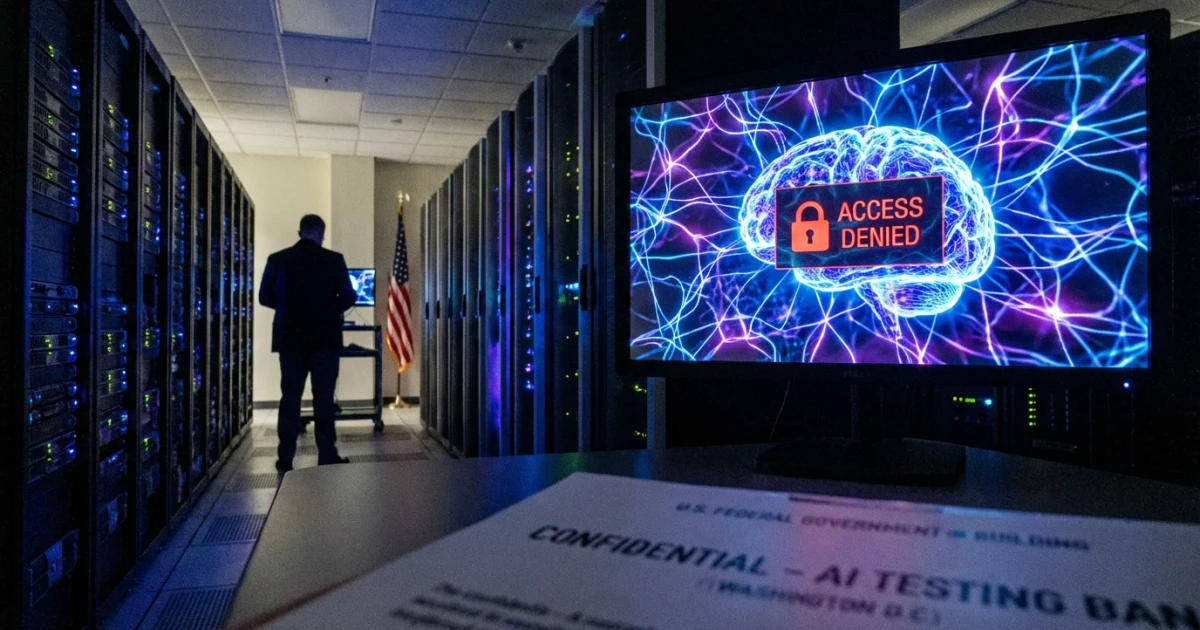
Federal agencies are reportedly finding ways to test advanced artificial intelligence (AI) models from Anthropic, despite a Trump-era ban intended to restrict such use, according to Politico. The report highlights mounting tensions between the federal government’s desire for cutting-edge technology and the regulatory frameworks designed to secure U.S. interests against potential foreign influence or security risks.
Background: The Anthropic Ban
The Trump administration introduced restrictions preventing federal agencies from procuring or testing AI systems developed by certain foreign or controversial companies, including Anthropic. The No Funds for AI from Adversaries Act (H.R.5339) codified these limitations, aiming to protect critical infrastructure and sensitive government operations from potential vulnerabilities.
This legislation was part of a broader government effort to implement safe and secure use of AI, as outlined in related executive orders and federal policies. The Executive Order on Safe, Secure, and Trustworthy Artificial Intelligence issued in October 2023 further underscored the importance of AI oversight, mandating stringent procurement and security measures for federal agencies.
Agencies Skirt Restrictions for AI Testing
Despite these safeguards, Politico reports that several federal agencies have sought to work around the ban to access Anthropic’s advanced AI models. Sources familiar with agency operations indicated that some departments have found legal or procedural loopholes, such as partnering with academic or private sector intermediaries to facilitate indirect testing of Anthropic’s technology.
These maneuvers reflect the high demand for state-of-the-art AI tools in areas such as cybersecurity, data analysis, and national defense. Anthropic’s models, in particular, are considered among the most advanced in the industry, making them attractive to agencies seeking enhanced capabilities.
Security and Oversight Concerns
The revelation has raised questions about the effectiveness of current oversight mechanisms and the potential risks involved. While federal agencies argue that testing is essential to remain at the forefront of AI innovation, critics worry that circumventing official bans could expose government systems to unvetted technology and undermine public trust in AI governance.
- The White House’s AI Executive Order calls for transparent procurement and comprehensive security testing of AI systems.
- Congressional hearings, such as those documented by the House Oversight Committee, have repeatedly emphasized the need for strict compliance with procurement rules and the importance of accountability in government AI adoption.
Questions remain as to whether these workarounds violate the spirit, if not the letter, of the ban, and how agencies are addressing potential security risks associated with unapproved AI systems.
Project Glasswing and Future Policy
The Politico report also references Project Glasswing, a federal initiative aimed at securing critical government software for the AI era. This project underscores the government’s recognition of both the promise and peril of rapidly advancing AI technology. As federal agencies push for access to leading-edge models like Anthropic’s, the need for robust safeguards and clear guidelines becomes even more urgent.
Ongoing scrutiny from Congress, the White House, and watchdog organizations suggests that the debate over AI procurement, security, and innovation is far from settled. Future policy may need to strike a balance between fostering technological advancement and maintaining strict oversight to protect national interests.
Looking Ahead
As the government navigates the complexities of AI adoption, the reported circumvention of the Anthropic ban highlights broader challenges in regulating emerging technologies. Ensuring that federal agencies can safely and securely harness the potential of AI—without undermining established rules—will remain a priority for lawmakers and officials in the months ahead.