US News
Federal agencies still lag on records requests, analysis shows

The Justice Department published its 2025 Annual FOIA Report Summary on July 1, keeping federal records delays in view as agencies tried to improve processing and cut backlogs. Its 2026 Chief FOIA Officer’s Report, released March 3, and new backlog-reduction guidance show how much weight the government still puts on measuring and shrinking the wait for public records.
For journalists, watchdogs and ordinary requesters, those delays are not a paperwork nuisance. The Government Accountability Office has said FOIA backlogs hinder government transparency and accountability, and it has noted that media outlets, businesses and members of the public file hundreds of thousands of requests each year on topics ranging from consumer safety to national security. In March 2024, the GAO found that 22 percent of requests were backlogged in fiscal 2022, up from 14 percent in fiscal 2013, a worsening trend over the decade.
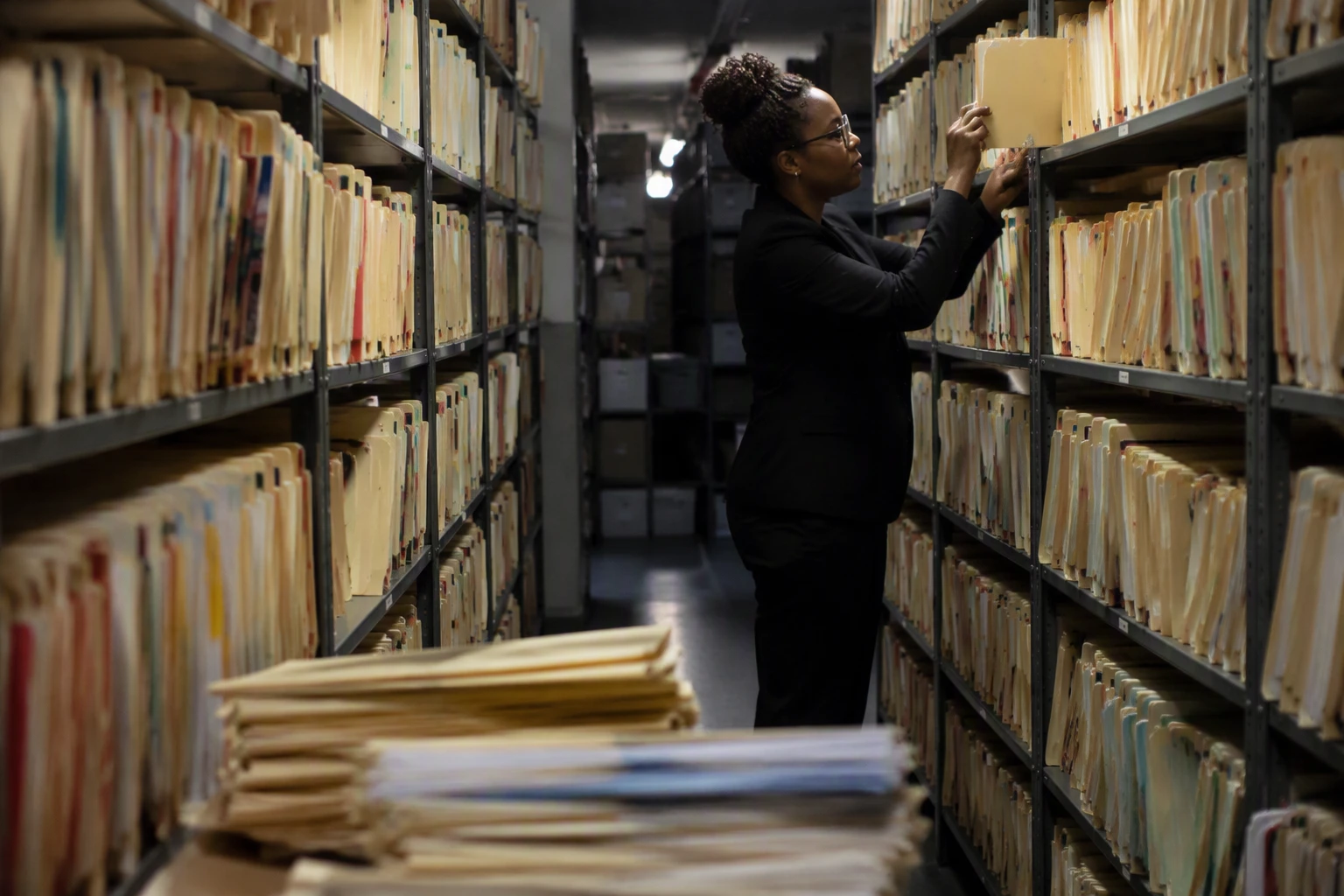
The wait can stretch for years. A National Security Archive audit published March 8, 2019, said FOIA delays continued unabated and highlighted requests old enough to rent a car, a blunt measure of how long some records can sit in agency queues before anyone sees them. That kind of delay can stall investigative reporting, slow watchdog campaigns and leave citizens without records long after a policy dispute or agency decision has moved on.
Some agencies have tried to keep pace by sheer volume. The Department of Homeland Security said in its fiscal year 2025 FOIA report, published in March 2026, that it received more than 1 million FOIA requests and processed nearly 1 million requests, including many carried over from earlier fiscal years. That scale shows both the demand for disclosure and the strain on the system: even a record-setting processing year still leaves agencies working through a heavy queue of pending requests.

The Electronic Frontier Foundation describes FOIA as one of the most important legal tools for government transparency, especially for reporters and citizens trying to obtain records that can support accountability work. The latest federal reporting, along with DOJ’s guidance on backlog reduction plans and reporting deadlines, shows agencies still measuring how far they remain from a system where records are released before they lose their value.
Sources
- [1]nytimes.com
- [2]gao.gov
- [3]federalnewsnetwork.com
- [4]nsarchive.gwu.edu
- [5]justice.gov
- [6]eff.org
- [7]poynter.org