Health
Federal authorities move to shut down Kentucky organ donation group
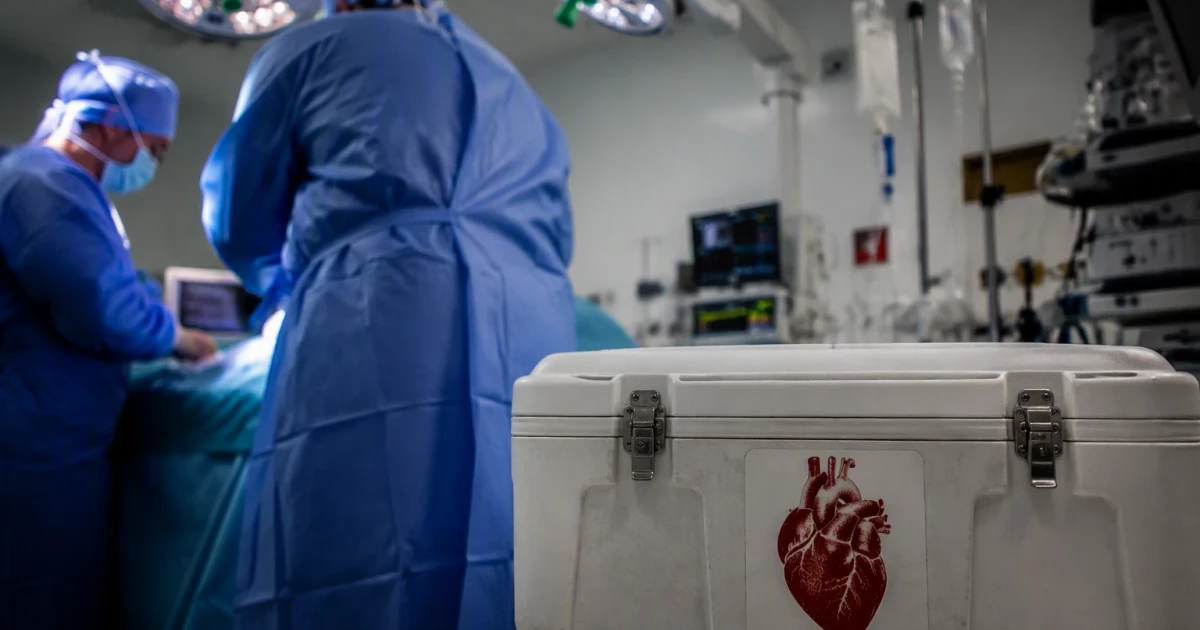
Federal officials moved Tuesday to decertify Network for Hope, the Kentucky organ procurement organization that serves Kentucky, Indiana, Ohio and West Virginia, after reviews found patient safety failures. The action matters far beyond one nonprofit: every delay or error in organ recovery can affect people waiting on transplants right now.
Health and Human Services said the move was meant to protect patients and restore trust in the transplant system. HHS Secretary Robert F. Kennedy Jr. announced the decision in Lexington, Kentucky, and later said the agency acted after multiple federal reviews found patient safety failures.
The most troubling findings went to the core of organ recovery. Coverage of the federal action said reviewers found serious deficiencies in nearly 30% of the cases they examined, and reports said the organization allegedly continued planning organ retrieval from some patients who unexpectedly showed signs of life. Federal officials also ended the government’s contract with the Kentucky nonprofit, a step that signaled regulators saw the problems as more than correctable paperwork failures.
For transplant patients and hospitals, the consequences can ripple well beyond Kentucky. Organ procurement organizations coordinate the recovery of organs from donors, work with hospitals and transplant centers, and help move time-sensitive organs through a system where minutes can matter. When one group handling that chain is decertified, hospitals in its service region have to adjust quickly, and families waiting for a match can be left to wonder whether the system can protect both urgency and safety.
The case also sharpened a wider national question about oversight. A House Ways and Means Committee hearing on accountability for tax-exempt organ procurement organizations on Dec. 4, 2025 had already put the sector under congressional scrutiny before the Kentucky action. The August decision added a high-profile example of what happens when regulators conclude that existing controls did not catch problems early enough.
Network for Hope’s reach made the case especially significant. The organization was not just a local Kentucky operator but a regional one serving multiple states, so the federal shutdown effort affected a broad stretch of the transplant pipeline. Coverage also linked the investigation to a Richmond, Kentucky man’s organ donation experience, showing how individual patient and family accounts became part of the pressure on regulators to act.
The federal move left one central issue unresolved for the transplant community: whether Network for Hope was an outlier or a warning that the system protecting donors, recipients and hospitals still depends too heavily on catching failures only after harm has already been documented.
Sources
- [1]apnews.com
- [2]hhs.gov
- [3]usnews.com
- [4]edition.cnn.com
- [5]nytimes.com
- [6]wkyt.com
- [7]youtube.com
- [8]waysandmeans.house.gov