Business
Federal Court Limits New Jersey’s Reach Over Kalshi Market
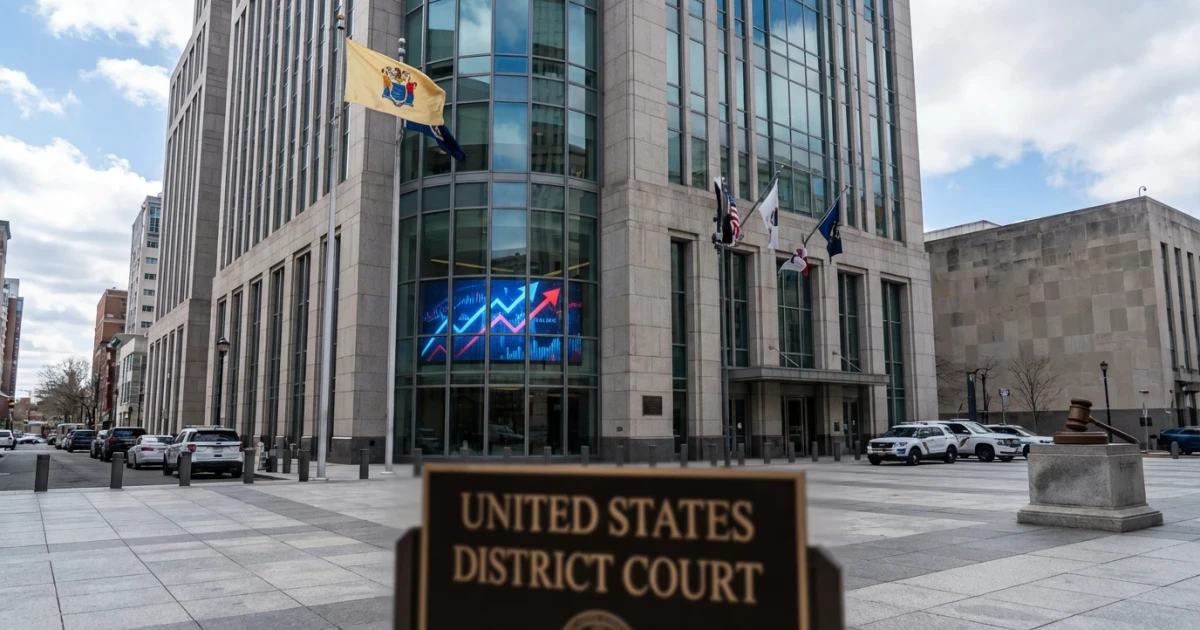
Kalshi, the federally regulated prediction market operator, secured a significant legal victory as a U.S. appeals court ruled that New Jersey does not have the authority to regulate its prediction markets. The decision clarifies the boundaries between state and federal oversight of online event contracts and has implications for the broader future of prediction markets in the United States.
Background: State vs. Federal Oversight
Kalshi operates under the supervision of the Commodity Futures Trading Commission (CFTC) as a designated contract market. The platform allows users to trade contracts on the outcome of events, ranging from economic indicators to political control of Congress. While the Dodd-Frank Act and related federal laws establish a regulatory framework for such markets, some states, including New Jersey, have attempted to impose additional regulations citing consumer protection and gambling concerns.
This legal dispute reached the federal appeals court after New Jersey regulators sought to require Kalshi to obtain a state license and comply with local gambling laws for offering prediction markets accessible to state residents.
Court Decision: State Authority Preempted
The U.S. appeals court’s ruling, as reported by Reuters, found that federal law preempts state regulation in this context because prediction markets like Kalshi’s are classified as derivatives contracts and fall under exclusive federal jurisdiction. The court sided with Kalshi's argument that its operations are governed by national rules, specifically those enforced by the CFTC.
This outcome means that Kalshi, and potentially other federally regulated prediction market platforms, can serve New Jersey residents without adhering to the state’s gambling regulations—provided they continue to comply with federal standards.
Industry and Regulatory Impact
- This decision sets a precedent for other states seeking to limit or regulate access to federally supervised prediction markets.
- It further cements the role of the CFTC in overseeing event contracts, distinguishing them from traditional gambling products under state law.
- Operators like Kalshi can continue to offer contracts on a wide range of topics, so long as they comply with federal requirements.
- The ruling may encourage new entrants into the market, knowing that state-level regulatory hurdles are less likely to impede their operations if federally approved.
Ongoing Policy Debate
The case highlights ongoing debates over the nature and risks of prediction markets. Critics, often from state agencies, argue that these platforms are akin to gambling and should be subject to strict local controls. Proponents emphasize their value for hedging, information discovery, and public engagement, pointing to the robust federal oversight that distinguishes them from unregulated betting sites.
While this decision resolves the immediate conflict between New Jersey and Kalshi, it leaves room for further policy discussions at both the federal and state levels. Observers expect increased scrutiny of how prediction markets operate and their impact on consumers, particularly as volumes and public attention continue to grow.
What’s Next for Prediction Markets?
With the appeals court solidifying federal primacy, Kalshi’s status as a licensed platform is reinforced. The platform remains subject to the CFTC’s ongoing compliance requirements, as detailed in the agency’s regulatory orders. Market participants and legal analysts will be watching for any legislative responses or further legal challenges from states seeking to reassert their authority or clarify the rules moving forward.
For now, the court’s decision offers clarity for operators and users alike, signaling that federally regulated prediction markets can function across state lines without additional local licensing obstacles—at least where federal law is clear and comprehensive.