World
Federal Court Reviews Challenge to Trump’s Global Tariffs
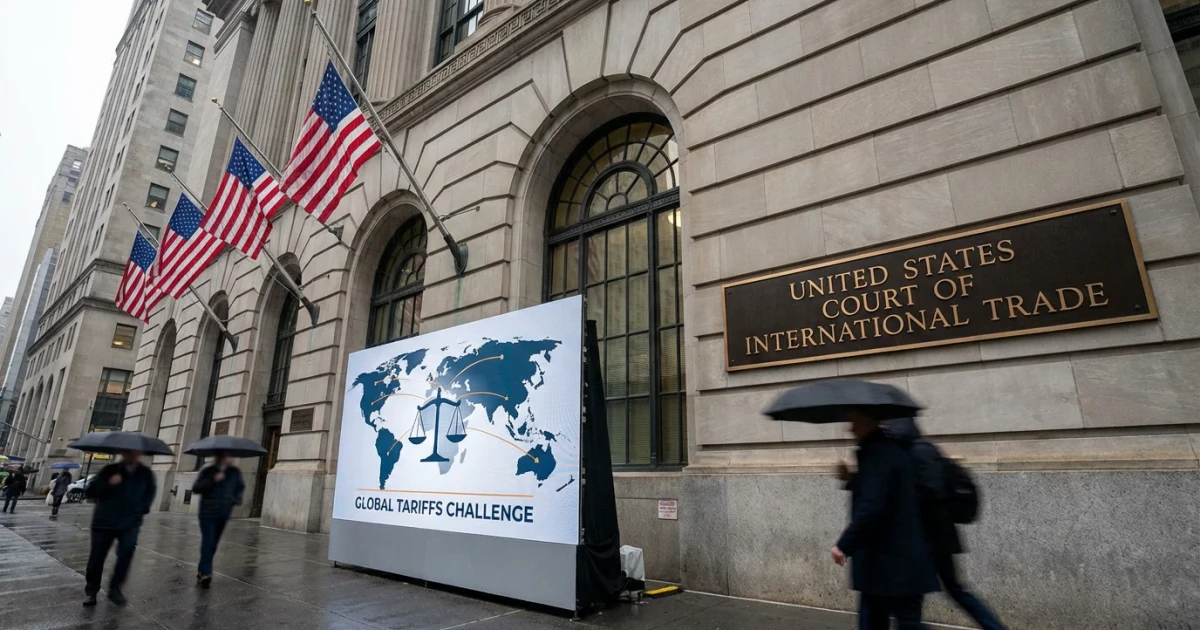
The Trump administration’s decision to impose a 10% global tariff faces renewed scrutiny as a US federal trade court reviews the legal rationale behind the sweeping measure. The case, which drew national attention this week, could have significant implications for American trade policy and the future scope of executive power over tariffs.
Legal Challenge to Tariff Authority
The US Court of International Trade has begun hearing a lawsuit questioning the statutory basis for the 10% tariffs imposed by former President Trump on a broad range of imported goods. According to coverage from Reuters, the court is specifically examining whether the administration’s justification under Section 232 of the Trade Expansion Act meets the legal requirements for invoking national security as a rationale for the tariffs. This provision has been central to previous tariff actions, but legal experts say its use against a wide array of products could set a new precedent.
PBS reported that the case was brought by a coalition of industry groups and importers, who argue that the administration overstepped its authority by imposing global tariffs without adequate evidence of a national security threat. They contend that the broad application of the tariffs departs from the law’s intent and could harm US manufacturers and consumers by raising costs and disrupting supply chains.
Arguments and Broader Trade Context
At issue is whether the executive branch’s interpretation of national security is too expansive. Reuters noted that the plaintiffs are seeking to have the tariffs overturned, claiming that the measure lacks a clear connection to genuine security concerns. The government, in response, has defended the policy as necessary to protect critical industries and reduce dependence on foreign goods, citing findings from previous Section 232 investigations.
- The 10% tariffs were applied globally, impacting major trading partners and a wide range of products
- Opponents argue these tariffs have led to increased costs for US businesses and consumers
- Supporters say the tariffs are vital for maintaining domestic production capacity
Both outlets emphasized that the current case is the latest in a series of legal and policy debates over the scope of Section 232 investigations and tariffs. Previous court challenges, such as American Institute for International Steel v. United States, upheld broad presidential authority, but the new case seeks to test the limits of that power, especially as the tariffs are more sweeping in scope.
Potential Impact and Next Steps
The outcome could affect not only the contested 10% tariffs but also future administrations’ ability to use national security as justification for broad trade actions. PBS highlighted that the court’s decision may influence ongoing disputes at the World Trade Organization, where US trading partners have challenged similar tariffs as inconsistent with international trade rules.
Industry groups and legal scholars are closely watching the proceedings, with some warning that a ruling against the government could limit the executive branch’s flexibility in responding to perceived economic threats. Others argue that restricting overbroad use of national security exceptions is essential for maintaining checks and balances in trade policy.
- The Congressional Budget Office has estimated that tariffs like these can have mixed effects on US GDP and trade flows, with some sectors benefitting but overall costs rising for consumers and certain industries
- Recent data from the USITC Interactive Tariff and Trade DataWeb show shifts in import patterns since tariffs were implemented
Looking Ahead
The court’s review of the 10% global tariffs marks an important juncture in the ongoing debate over the appropriate role of presidential power in trade policy. As hearings continue, stakeholders across industry, government, and international trading partners await a decision that could shape the direction of US tariff policy for years to come.