US News
Federal Court Strikes Down Pentagon Press Restrictions
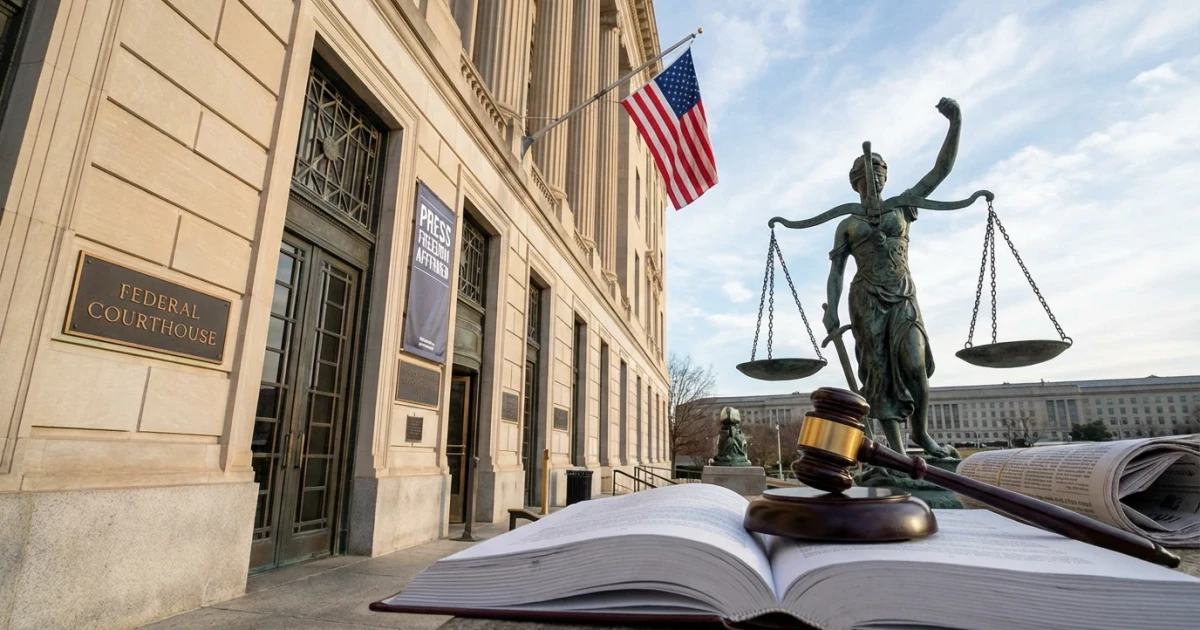
The Pentagon's press policy has been ruled unconstitutional by a federal judge, following a legal challenge brought by the New York Times. The decision marks a pivotal moment for press freedom, with major implications for government transparency and media access to defense operations.
Background: Pentagon Press Restrictions Under Scrutiny
The Washington Post and other outlets reported that the New York Times filed a lawsuit challenging the Department of Defense's press policy, which had imposed new restrictions on journalists' access to military information and briefings. The policy, introduced in recent years, limited direct contact between reporters and defense officials and required additional layers of approval for interviews and information requests.
Journalists and advocacy groups raised concerns that these measures undermined the First Amendment and the public's right to know about military affairs. The case echoes the historic Pentagon Papers case, in which the Supreme Court affirmed the press's crucial role in holding the government accountable.
The Court's Ruling and Its Legal Basis
According to the Washington Post, the federal court found that the Pentagon's policy violated constitutional protections for freedom of the press. The judge concluded that the restrictions represented an unjustified prior restraint on news gathering and reporting, and could not be justified by national security concerns alone without more compelling evidence.
The court's decision is available in the official record at the federal case docket, providing the public with full access to the filings, arguments, and judicial reasoning behind the ruling. Legal experts note that such transparency is essential for understanding how courts balance government secrecy and First Amendment rights.
Implications for Press Freedom and Government Transparency
This ruling is widely seen as a reaffirmation of the press's watchdog role in American democracy. As analyzed in the Congressional Research Service report on secrecy and disclosure, federal courts have historically been reluctant to uphold restrictions that significantly impede journalists from reporting on matters of public interest, especially regarding military and defense policy.
- The case underscores the importance of Freedom of Information Act (FOIA) requests and other transparency tools that enable journalists to obtain government records.
- It also highlights ongoing policy debates about the balance between national security and open government, as detailed in the GAO's report on Department of Defense transparency.
While the Department of Defense argued that its press policy was necessary to coordinate accurate messaging and prevent unauthorized disclosures, the court found that these justifications did not outweigh the constitutional harm imposed by broad restrictions on reporting.
Potential Next Steps and Broader Context
The Pentagon may appeal the ruling, seeking to reinstate or revise its press policy. In the meantime, the decision sets a significant precedent, reinforcing legal standards for open court access and government accountability.
The outcome may influence future policies affecting how journalists interact with federal agencies across the government, not just within the Department of Defense. Media organizations and press freedom advocates are likely to cite this case as a benchmark for resisting similar restrictions elsewhere.
Conclusion
The court's decision in favor of the New York Times sends a clear message about the constitutional limits on government secrecy and the enduring importance of an independent press. As the legal process continues, stakeholders across the media and government will closely watch how this ruling shapes the landscape of press access and national security in the United States.