US News
Federal Court Strikes Down Trump’s Global Tariff
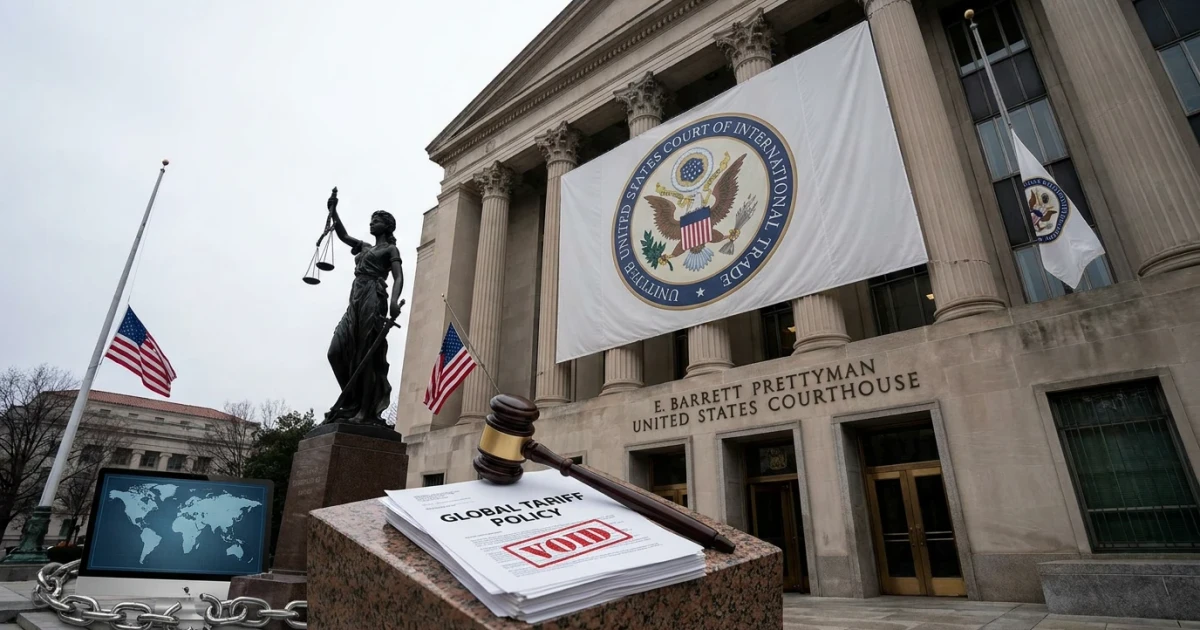
A federal trade court has ruled that the Trump administration’s 10% global tariff is illegal, a decision that immediately impacts U.S. trade policy and the ongoing debate over presidential tariff powers. The ruling, reported by The Washington Post and confirmed by multiple outlets, is a major blow to the legal standing of the broad tariffs implemented under Section 232 authority.
Background on the Global Tariff Policy
The Trump administration introduced a 10% global tariff on a range of imports, citing national security concerns under Section 232 investigations. The policy aimed to protect American industries, particularly steel and aluminum, and was one of the most sweeping uses of presidential tariff authority in recent decades.
The Court Decision and Its Rationale
The U.S. trade court found that the global tariff exceeded the president’s legal authority as defined by existing statutes. According to The Washington Post, the court ruled the measure was not sufficiently justified under national security grounds, which are required for Section 232 actions. The court’s full docket and legal filings can be reviewed on CourtListener, offering transparency into the arguments and the legal reasoning behind the outcome.
- The 10% global tariff was intended to apply to all trading partners, not just select countries or products.
- The court determined that the broad scope of the tariff went beyond what Congress authorized under national security provisions.
- This ruling aligns with prior legal challenges questioning the limits of executive power in trade matters.
Implications for U.S. Trade and Industry
The immediate effect of the ruling is to halt the enforcement of the 10% tariff, pending any appeals. This decision affects a wide array of industries that had been subject to the tariff and could shift the landscape for both importers and domestic producers. For those seeking more detail, the U.S. International Trade Commission’s economic impact report offers in-depth analysis of how these tariffs have influenced U.S. industries, including data on pricing, competitiveness, and supply chains.
Industry and Market Reactions
- Many business groups and importers have welcomed the decision, arguing that the tariffs increased costs and disrupted supply chains.
- Some domestic manufacturers and industry advocates remain concerned about the potential for increased foreign competition if the tariffs are permanently lifted.
- The ruling could influence ongoing and future trade negotiations, as well as Congressional debates over the scope of presidential authority in trade matters.
Broader Context: Section 232 and Executive Power
This case underscores the contentious nature of Section 232 investigations and their use for imposing tariffs. The Congressional Research Service provides a detailed explainer on Section 232, its historical application, and legal boundaries. The recent court decision adds to a growing body of case law that may restrict the executive branch’s ability to unilaterally enact sweeping trade barriers.
For those interested in the data behind these policies, the USITC Tariff Database provides historical and current tariff rates, while the U.S. trade balance data visualizes the broader economic impact of such measures.
Looking Ahead
The administration is expected to consider an appeal, but for now, the ruling stands as a key precedent. Legal experts suggest it may prompt further Congressional review of Section 232 powers and the process for imposing tariffs on national security grounds. The business community and international trading partners will be watching closely as the Biden administration, Congress, and the courts continue to shape the future of U.S. trade policy.