Politics
Federal Judge Blocks White House Ballroom Project
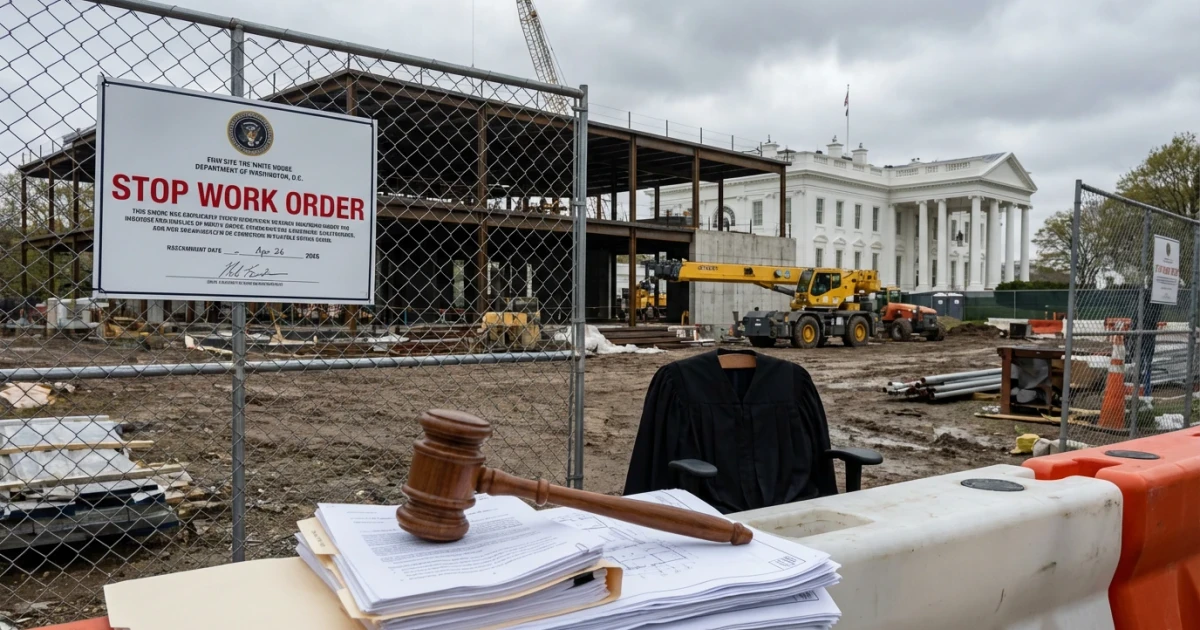
Construction of a new ballroom at the White House has been halted following a federal judge’s order, prompting scrutiny over the project’s future and putting pressure on Congress to respond. The decision, first reported by The New York Times and The Daily Signal, marks a significant pause in one of the most high-profile federal building projects in recent years.
Federal Court Halts Construction
According to The New York Times, a federal judge issued an injunction stopping ongoing work on the planned White House ballroom. While the sources did not specify the judge’s name or the exact legal grounds, court records confirm that construction activity has ceased pending further review. The order brings to a standstill a project that has generated discussion about cost, historical preservation, and executive branch priorities.
Readers can view official court filings and opinions related to the White House ballroom construction for further details on the case and any forthcoming legal proceedings.
Project Background and Controversy
The White House has undergone numerous renovations and additions throughout its history, with each project typically requiring layers of approval and oversight from federal agencies and, in some cases, Congress. The proposed ballroom was the latest in a series of modernizations, with supporters arguing for expanded capacity to host diplomatic and state functions.
However, the project has also faced criticism over its cost and potential impact on the historic character of the White House. The General Services Administration’s official record documents past renovations and the extensive review typically required. Questions have been raised about whether the ballroom addition met all necessary preservation standards and legal requirements.
For a comprehensive overview of previous White House renovations, including costs and historical context, readers can consult the White House Historical Association’s timeline.
Congressional Role and Next Steps
The Daily Signal notes that the judge’s decision has intensified focus on Congress, which holds the authority to appropriate funds and oversee major federal property projects. While it remains unclear whether lawmakers will intervene directly, legislative action could take several forms, from new appropriations bills to potential amendments clarifying oversight of White House projects.
Congress maintains a record of all bills and legislative actions related to White House construction and renovation, available on Congress.gov’s White House construction bill history.
Key Points Under Consideration by Lawmakers:
- Ensuring historic preservation standards are upheld
- Clarifying the executive branch’s authority over modifications to the White House
- Assessing the necessity and scope of the proposed ballroom
- Reviewing federal spending on the project, with detailed data available through USAspending.gov
What Comes Next?
With the judge’s injunction in place, the White House ballroom project remains in limbo. Legal experts anticipate further court hearings and possibly appeals, while advocates on both sides are expected to lobby Congress for decisive action.
As the situation develops, the interplay between the judiciary, executive branch, and Congress will determine not just the fate of the ballroom, but set precedents for future modifications to the historic executive mansion. Readers interested in the White House’s architectural and legislative history can find additional resources through the GSA’s historic building records and the National Archives executive order database.
For now, the ballroom’s future remains uncertain, with both courtrooms and Capitol Hill likely to play central roles in the coming weeks.