US News
Federal Judge Orders ICE Chief to Court, Warns of Possible Contempt in Immigration Case
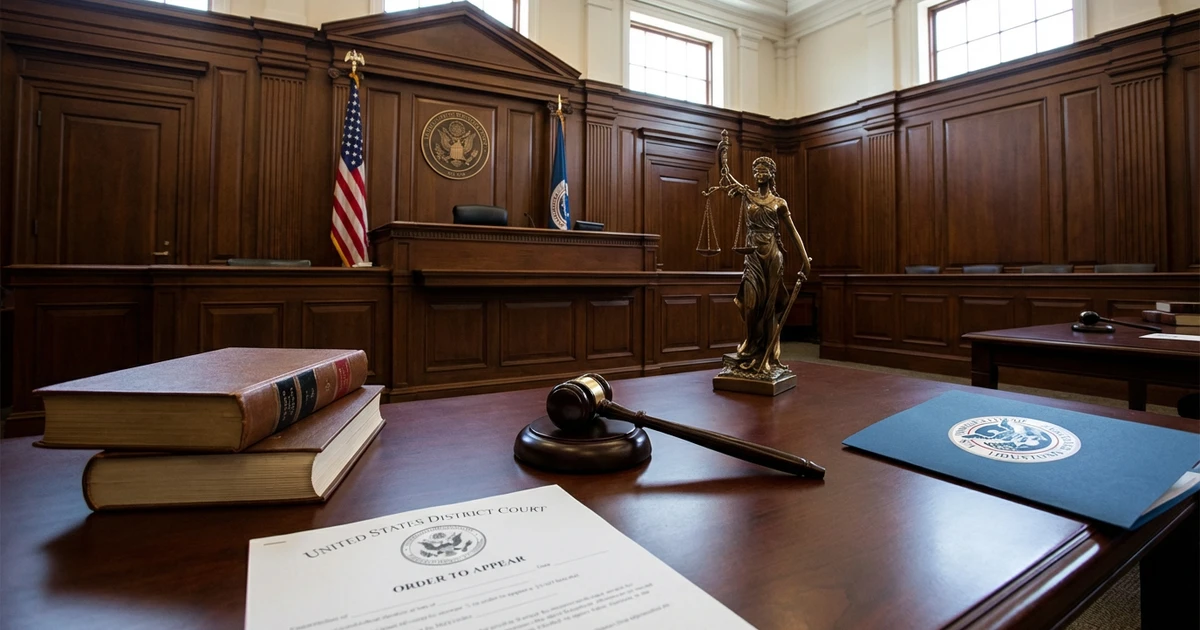
A federal judge has ordered the chief of U.S. Immigration and Customs Enforcement (ICE) to appear in court, escalating tensions between the judiciary and the federal agency over compliance with court directives in immigration cases.
Judicial Showdown: ICE Chief Summoned
The court order, issued on January 27, 2026, signals growing frustration from the bench over ICE's actions—or lack thereof—in response to previous legal mandates. The judge has threatened a contempt ruling if the ICE chief fails to explain or remedy the agency’s conduct regarding compliance issues in specific immigration-related court instructions.
Background: The Roots of the Dispute
The dispute revolves around ICE’s adherence to court orders, with recent cases highlighting alleged failures by the agency to follow judicial instructions related to immigration enforcement. The judge’s latest move—summoning the agency’s top official—underscores the seriousness of the alleged noncompliance and the judiciary’s intent to hold federal officials accountable if necessary.
- ICE (Immigration and Customs Enforcement) is responsible for enforcing federal immigration laws and detaining individuals pending removal proceedings.
- Federal judges have oversight authority to ensure agencies like ICE act within the bounds of the law and respect court orders.
- Contempt of court is a significant legal action, which can result in penalties or other consequences for those found in violation.
Potential Consequences: Contempt Ruling Looms
The judge’s threat of a contempt ruling places added pressure on ICE’s leadership. Such a ruling could have wide-ranging implications, including potential fines, operational changes, or increased judicial scrutiny of the agency’s practices. The move also highlights the ongoing legal battles over immigration enforcement policies in the United States, where courts have played a pivotal role in shaping the boundaries of executive authority.
Broader Context: Courts and Immigration Enforcement
This development is the latest in a series of high-profile confrontations between federal courts and immigration authorities. In recent years, judges have intervened in cases involving detention practices, deportation procedures, and the treatment of migrants. Judicial oversight remains a crucial check on executive power, especially in contentious policy areas like immigration.
Looking Ahead: Next Steps for ICE and the Courts
The ICE chief’s court appearance is expected to clarify the agency’s position and address concerns about compliance. The outcome may set important precedents for how federal agencies respond to court orders in immigration cases. For now, the situation remains tense, with all eyes on the upcoming hearing and its potential impact on immigration enforcement nationwide.
For more information on immigration enforcement and agency leadership, visit the official ICE website.