US News
Federal Judge Rebukes ICE Over Conduct, Withdraws Contempt Threat Against Director
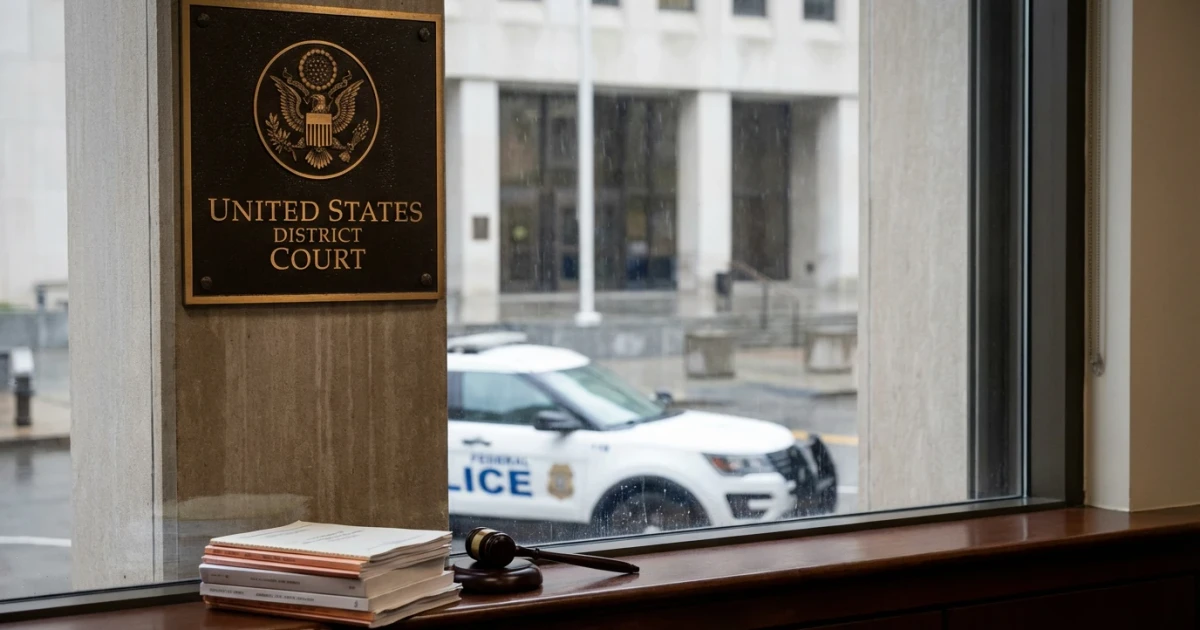
A federal judge delivered a scathing rebuke to U.S. Immigration and Customs Enforcement (ICE) this week, expressing deep dissatisfaction with the agency's recent conduct but ultimately choosing not to pursue a contempt citation against ICE’s director. The decision arrives amid heightened scrutiny of ICE's operations in Minnesota and across the nation.
Judge Issues Stern Warning to ICE
The court’s frustration with ICE’s actions was palpable as the judge publicly criticized the agency. While the specifics of the agency’s missteps were not detailed in the available report, the tone of the judicial rebuke underscores ongoing tensions between the judiciary and federal immigration authorities. The judge’s comments highlight what many see as a pattern of federal agencies facing increased oversight as their practices come under the legal microscope.
Backing Off Contempt Against ICE Director
Despite the harsh criticism, the judge opted not to hold the ICE director in contempt of court. This marks a significant moment in the ongoing legal tug-of-war between ICE and the judiciary. The judge’s decision to withdraw the contempt threat suggests a willingness to allow for corrective action by the agency, rather than escalating to punitive measures against its leadership.
Broader Context: ICE Operations Under Fire
The controversy reflects a broader national debate on ICE’s conduct and the challenges of enforcing immigration laws while respecting legal boundaries and judicial orders. Recent high-profile incidents in Minnesota—referenced in discussions surrounding the agency—have brought ICE’s practices under renewed scrutiny. The agency’s actions continue to trigger calls for accountability from both the public and elected officials.
What’s Next for ICE and Judicial Oversight
- Judicial scrutiny of immigration enforcement is expected to continue as courts seek to ensure compliance with legal standards.
- ICE leadership faces ongoing challenges in balancing enforcement duties with respect for judicial authority.
- This episode may prompt further reviews of agency practices and interagency communication protocols.
As the spotlight on ICE intensifies, both legal experts and community advocates are watching closely to see how the agency responds to judicial warnings and whether procedural reforms will follow. The judge’s rebuke, even without a contempt citation, signals that federal agencies remain accountable to the courts—and that future missteps may not be met with such restraint.
For further updates, readers can follow ongoing immigration enforcement developments on the official ICE website.