Business
Federal Jury Delivers Verdict Against Musk in AI Lawsuit
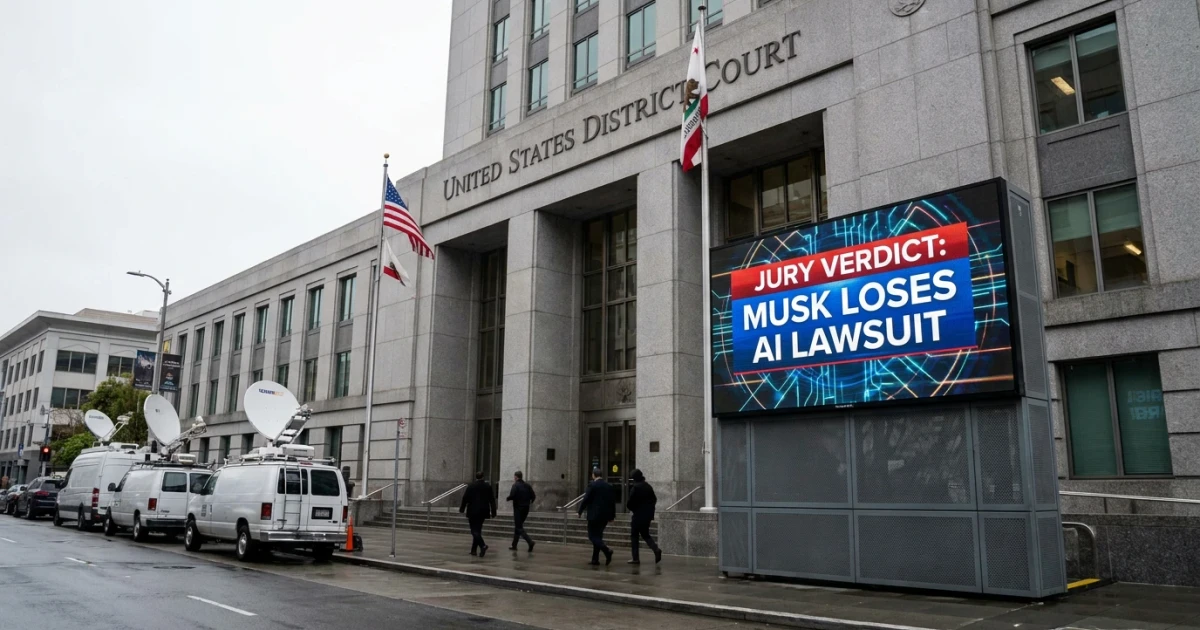
Elon Musk lost a closely watched lawsuit against OpenAI, as a federal jury ruled in favor of the AI company in what experts are calling a pivotal moment for the regulation and legal governance of artificial intelligence. The verdict, delivered on May 18, 2026, ended months of courtroom debate and drew attention from the tech industry and legal observers alike.
Background of the Lawsuit
The trial centered on Musk's claims that OpenAI, the organization he co-founded, had strayed from its original mission. Musk alleged that OpenAI was prioritizing commercial interests over its stated ethos of open, safe AI development. The dispute reflected longstanding tensions between Musk and OpenAI leadership, especially CEO Sam Altman, with Musk arguing that the company had breached its founding agreement and fiduciary duties.
This case is part of a broader trend of AI lawsuits that have tested the boundaries of intellectual property, contract law, and ethical obligations in the rapidly evolving artificial intelligence sector.
Jury Delivers Landmark Verdict
The jury's decision was clear: OpenAI had not violated the terms Musk claimed, nor had it breached its duties to its founders. The outcome was reported by Axios and Fox Business, both noting that the verdict was widely seen as a win for OpenAI and its current leadership.
- Verdict Date: May 18, 2026
- Case Focus: Alleged breach of founding agreement and fiduciary duties
- Outcome: Jury rules against Elon Musk; OpenAI prevails
The official court docket details months of filings, testimony, and expert witnesses brought by both sides.
Implications for AI Regulation and Industry
Legal analysts point out that this verdict sets a precedent for how disputes between founders and technology organizations may be resolved. As AI companies accelerate their commercial ambitions, the ruling appears to affirm the latitude organizations have to evolve their business models within the boundaries of founding agreements.
Industry experts cited by Axios say the verdict could embolden other AI firms to pursue proprietary models and partnerships without fear of similar litigation. Supporters of OpenAI believe the ruling validates the company’s approach to balancing innovation with responsible governance, while critics argue the decision might limit transparency and public oversight in AI development.
For Musk, the loss is significant but not unexpected, given previous public disputes with OpenAI leadership. The trial highlighted the complexity of legal frameworks governing artificial intelligence, especially as new laws and regulations emerge, such as the Artificial Intelligence Policy Act of 2023, which aims to set national standards for AI governance.
OpenAI’s Legal Standing
OpenAI’s victory reinforces its current governance structure, which has been under scrutiny from both investors and the public. The company’s SEC filings indicate continued growth and expansion, with investments in generative AI and partnerships across industries.
Looking Ahead
The Musk v. OpenAI trial is likely to influence future legal battles in the technology sector, as courts grapple with the intersection of founder rights, organizational evolution, and public interest in AI. Observers expect further debate over AI ethics, transparency, and legal accountability as the industry matures.
While Musk has not publicly commented on the verdict, OpenAI’s leadership remains focused on advancing AI research and deployment. The legal outcome signals that AI organizations can navigate disputes and adapt governance structures, provided they operate within legal and contractual boundaries.
As artificial intelligence continues to transform industries, the resolution of this landmark case underscores the importance of clear legal frameworks and ongoing public discourse about the future of technology.