US News
Federal prison grievances mostly go nowhere, analysis finds
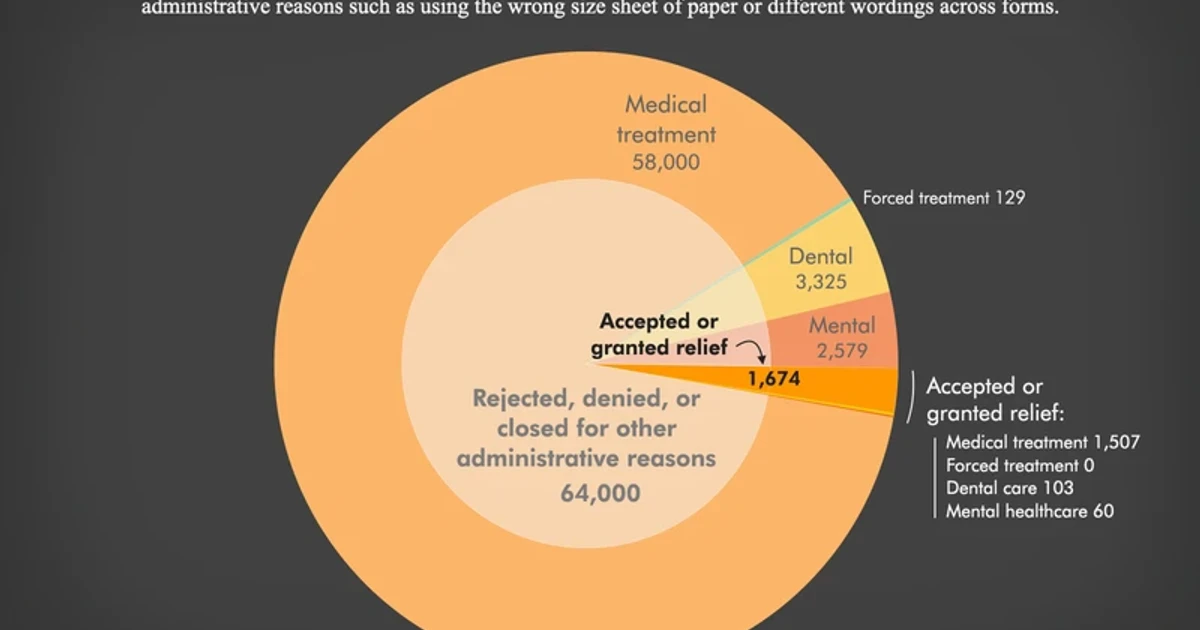
A federal prison grievance is supposed to give incarcerated people a formal path to challenge abuse, denied medical care or other treatment tied to their confinement. In practice, that path often ends in delay, rejection or silence, leaving people inside federal facilities with little practical way to force a response.
The Bureau of Prisons’ Administrative Remedy Program says inmates should be able to have any issue related to incarceration formally reviewed by high-level officials. The system is also supposed to answer each request and appeal within set time frames and keep records of those filings. But the gap between policy and reality helps explain why complaints inside federal prisons can languish for years without producing meaningful change.
That breakdown matters because the grievance process is not just an internal complaint channel. Under the Prison Litigation Reform Act of 1995, prisoners must exhaust available administrative remedies before bringing certain prison-conditions claims in federal court. The Supreme Court has said that requirement does not apply when prison administrators threaten inmates or otherwise block access to the grievance system, a recognition that the paper process fails entirely when people are prevented from using it.
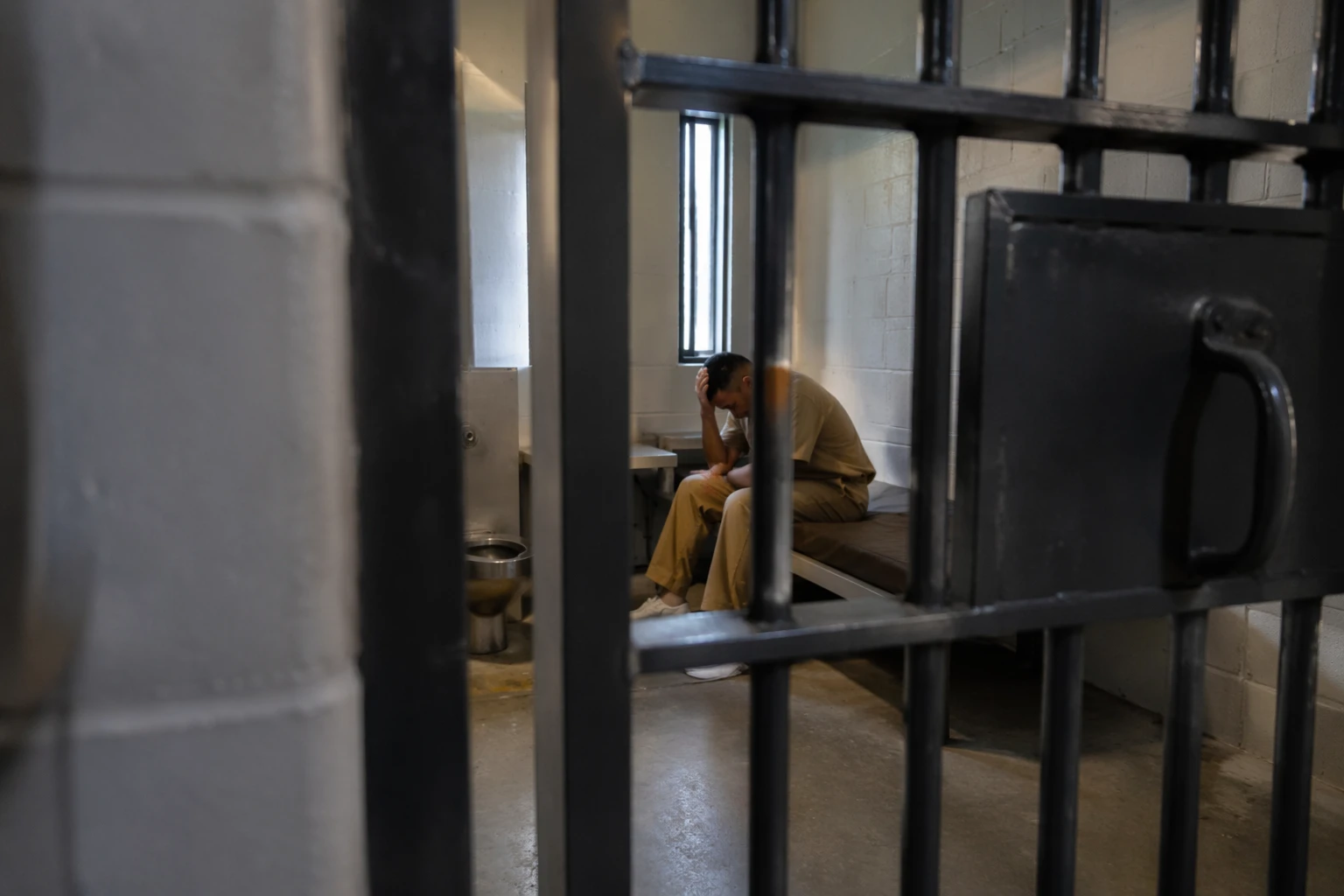
The scale of the accountability problem inside the Bureau of Prisons is visible in another federal tally. The U.S. Government Accountability Office reported that as of February 2025, the bureau had 12,153 employee misconduct cases awaiting investigation or discipline. Those cases ranged from unexcused absences to physical abuse, underscoring how much alleged wrongdoing was already stacked up before any grievance even reached a final decision.
The consequences are not abstract. In 2024, a Bureau of Prisons investigation found that Andrew Ciolli failed to stop violations of the use-of-force policy at one prison before he later took charge of the agency’s national training center. That episode captured the same structural problem that grievance filings expose: misconduct can move through the system faster than accountability does.

For prisoners seeking medical care or protection from abuse, the result is a closed loop. The Bureau says complaints can be reviewed, the law requires exhaustion before a lawsuit, and oversight agencies keep documenting backlogs and misconduct. What remains unclear is where a prisoner inside the federal system is supposed to go when the grievance process itself becomes the dead end.
Sources
- [1]npr.org
- [2]bop.gov
- [3]law.cornell.edu
- [4]files.gao.gov
- [5]themarshallproject.org