Health
Federal survey points to promising signs in youth mental health

A federal survey released July 27 showed continued improvements in several mental-health measures, with the clearest gains among young people after years of warnings about teen anxiety, depression and isolation. The results offered one of the rare bright spots in a U.S. government report on mental health, substance use and addiction, but the picture was uneven rather than universal.
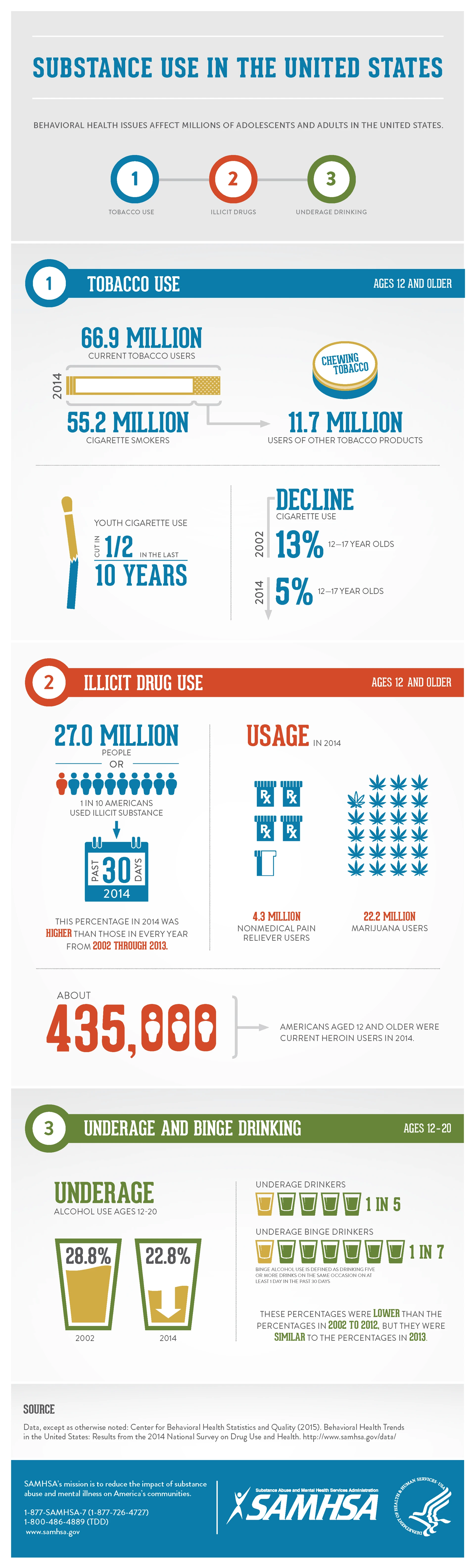
The findings came from the 2024 National Survey on Drug Use and Health, which used multimode collection, with respondents completing the survey in person or on the web. SAMHSA said 2024 was the first year with four years of comparable data for selected estimates, and the report materials list 13,985 adolescent respondents ages 12 to 17 in the final age-based interview counts. That makes the new numbers a more useful read on direction than a one-year snapshot, though not a declaration that the youth mental-health crisis is over.

The most encouraging signs were small and concentrated. AP reported that high schoolers’ mental health showed modest improvement in a separate government survey last year, but that progress did not erase deeper distress: the share of teenage girls reporting persistent sadness remained high. In other words, the gains were real, but they were not broad enough to suggest a full rebound across ages, genders or communities.
That unevenness matters because the likely drivers are mixed as well. Schools and health systems have expanded counseling, crisis support, telehealth and screening, and public conversation about mental health has become more open, reducing stigma for some young people seeking help. In August 2024, CDC said youth mental health had improved but still called for safer and more supportive schools, a signal that classroom climate and school-based services remain part of the policy equation.

The improvement also comes against a backdrop of persistent access gaps. In Michigan, some children in crisis were sent out of state as facilities closed, showing how quickly a shortage of pediatric mental-health beds and providers can overwhelm families even when national survey numbers move in a better direction. The U.S. Surgeon General’s youth mental-health page, CDC’s children’s mental-health data hub and the 2023 social media advisory all point to the same broad tension: digital life, school pressure, family stress and treatment access can all shape outcomes at once.
The latest federal survey suggests the pressure may be easing for some young people, but the evidence still points to a system in which modest progress is real, fragile and far from evenly shared.
Sources
- [1]apnews.com
- [2]usnews.com
- [3]chron.com
- [4]wsls.com
- [5]samhsa.gov
- [6]cdc.gov
- [7]thehill.com