Lifestyle
Fettuccine Alfredo: From Family Recipe to American Favorite
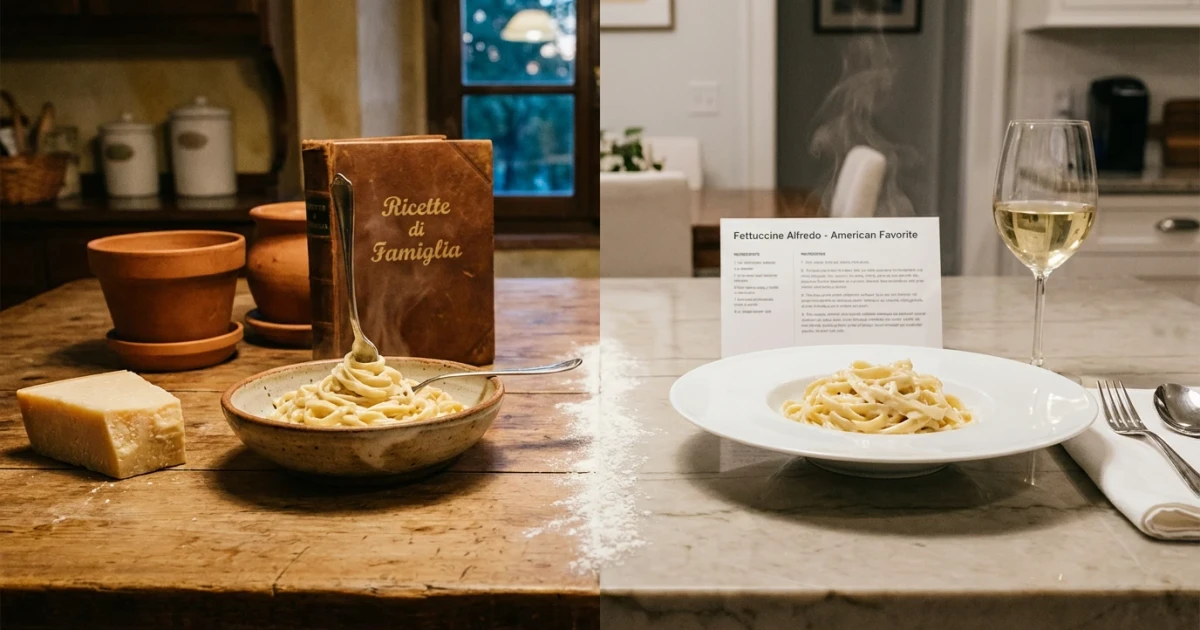
Fettuccine Alfredo holds a special place on both family tables and restaurant menus across the United States. While personal recipes—like the one celebrated by Allrecipes—claim to outshine even the most renowned eateries, the story of Alfredo sauce is rich with culinary history, scientific technique, and widespread appeal.
The Origins of Fettuccine Alfredo
The beloved pasta dish traces its roots to early 20th-century Rome, where the original Fettuccine Alfredo was crafted by Alfredo di Lelio. The traditional recipe is deceptively simple, typically calling for fresh fettuccine tossed with butter and Parmigiano-Reggiano. As noted by Italian Food Forever, the dish was brought to international fame when Hollywood stars dined at Alfredo’s restaurant and shared their enthusiasm back home. Over time, American adaptations often add heavy cream, making the sauce richer and more indulgent than its Roman ancestor.
The Science Behind Creamy Alfredo Sauce
Perfecting Alfredo’s creamy texture is both an art and a science. As Serious Eats' Food Lab explains, the key to a silky sauce lies in emulsifying fat from butter and cheese with starchy pasta water. This delicate balance prevents the sauce from separating and ensures a glossy, smooth finish. While Americanized versions frequently incorporate cream, classic techniques hinge on careful timing, temperature control, and quality ingredients.
- Butter and cheese ratios are crucial—too much fat can cause greasiness, while not enough pasta water leads to clumping.
- Freshly grated Parmigiano-Reggiano melts better than pre-shredded cheese due to its low moisture and lack of anti-caking agents.
- Starch from pasta water is essential for emulsification, binding the sauce to each noodle strand.
Nutritional Profile and Ingredient Trends
While fettuccine Alfredo is celebrated for its comforting richness, it is also known for its caloric density. According to USDA FoodData Central, a typical restaurant-style serving contains roughly 660 calories, 48 grams of fat, and 23 grams of protein per 2-cup portion. The dish is also a significant source of calcium and vitamin A, thanks to the cheese and dairy content. Over the years, ingredient availability in the United States has supported Alfredo’s popularity, with per capita consumption of pasta and cheese consistently high, as shown in USDA Economic Research Service data.
Popularity Across America
Fettuccine Alfredo’s status as a comfort food staple is reflected in its widespread demand. A Statista survey ranks Alfredo as one of the top pasta dishes ordered in U.S. restaurants, often competing with classics like spaghetti with meatballs and lasagna. Its appeal cuts across generations, with families frequently passing down their own variations—such as the aunt’s recipe featured by Allrecipes, which spotlights the power of tradition and personal touch in home kitchens.
Why Family Recipes Endure
While restaurant chefs may refine technique and presentation, home cooks often build on family heritage. Allrecipes’ recent spotlight on a cherished aunt’s fettuccine Alfredo illustrates how personal adaptations—like subtle changes in cheese, butter, or cooking method—can create a dish that feels unique and nostalgic. The communal act of sharing pasta around the table reinforces Alfredo’s role as both a culinary and cultural favorite.
Looking Ahead
As tastes evolve, so do Alfredo recipes. From the classic Roman approach to cream-laden American interpretations, and even lighter or plant-based alternatives, fettuccine Alfredo remains a versatile canvas for cooks everywhere. Whether enjoyed in a bustling restaurant or lovingly made at home, its enduring appeal lies in the blend of simplicity, richness, and the memories it creates—one plate at a time.