Politics
FHWA quietly drops bike lanes, speed cameras from safety list
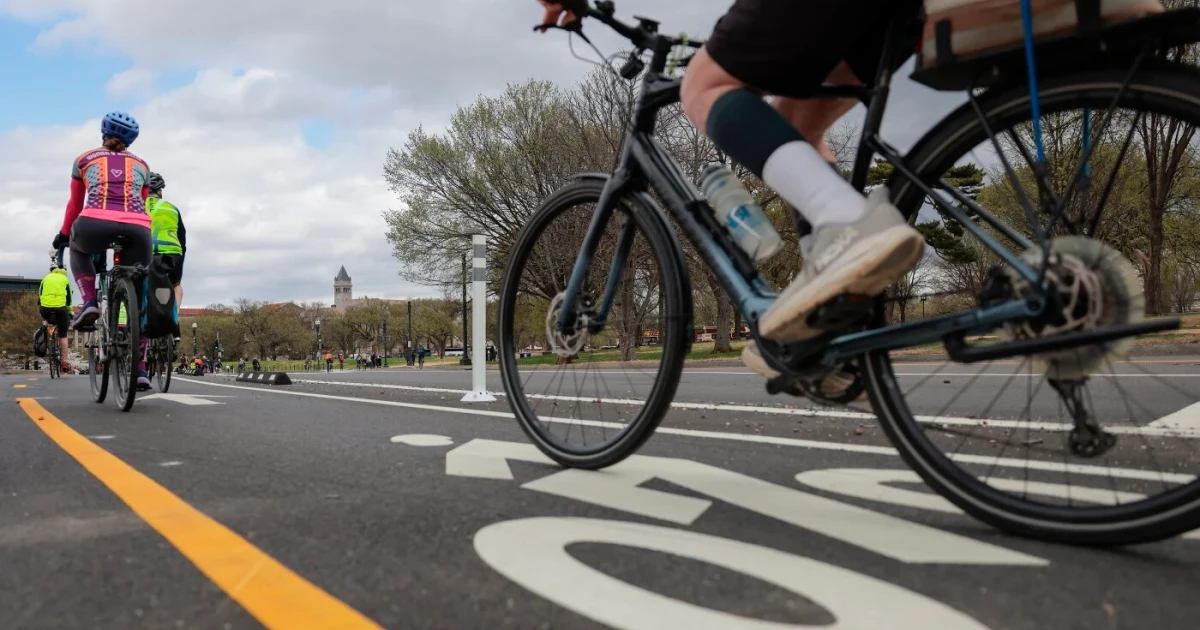
The Federal Highway Administration quietly removed bike lanes, speed cameras and other roadway safety practices from its Proven Safety Countermeasures list, even though the U.S. Department of Transportation still calls the program a set of 28 strategies proven to reduce fatalities and serious injuries.
FHWA updated the list in 2012, 2017 and 2021, and the agency’s broader materials still promote bicycle safety, pedestrian safety, intersection safety and speed management as part of the department’s road-safety strategy. The National Roadway Safety Strategy sets a goal of zero roadway fatalities.
Many fatal and serious bicyclist crashes happen away from intersections, and nearly one-third occur when motorists are overtaking bicyclists, according to FHWA’s bicycle-lanes fact sheet. The federal safety framework treats speed safety cameras as a proven countermeasure. NHTSA says those systems can reduce roadway fatalities and injuries by 20 percent to 37 percent.
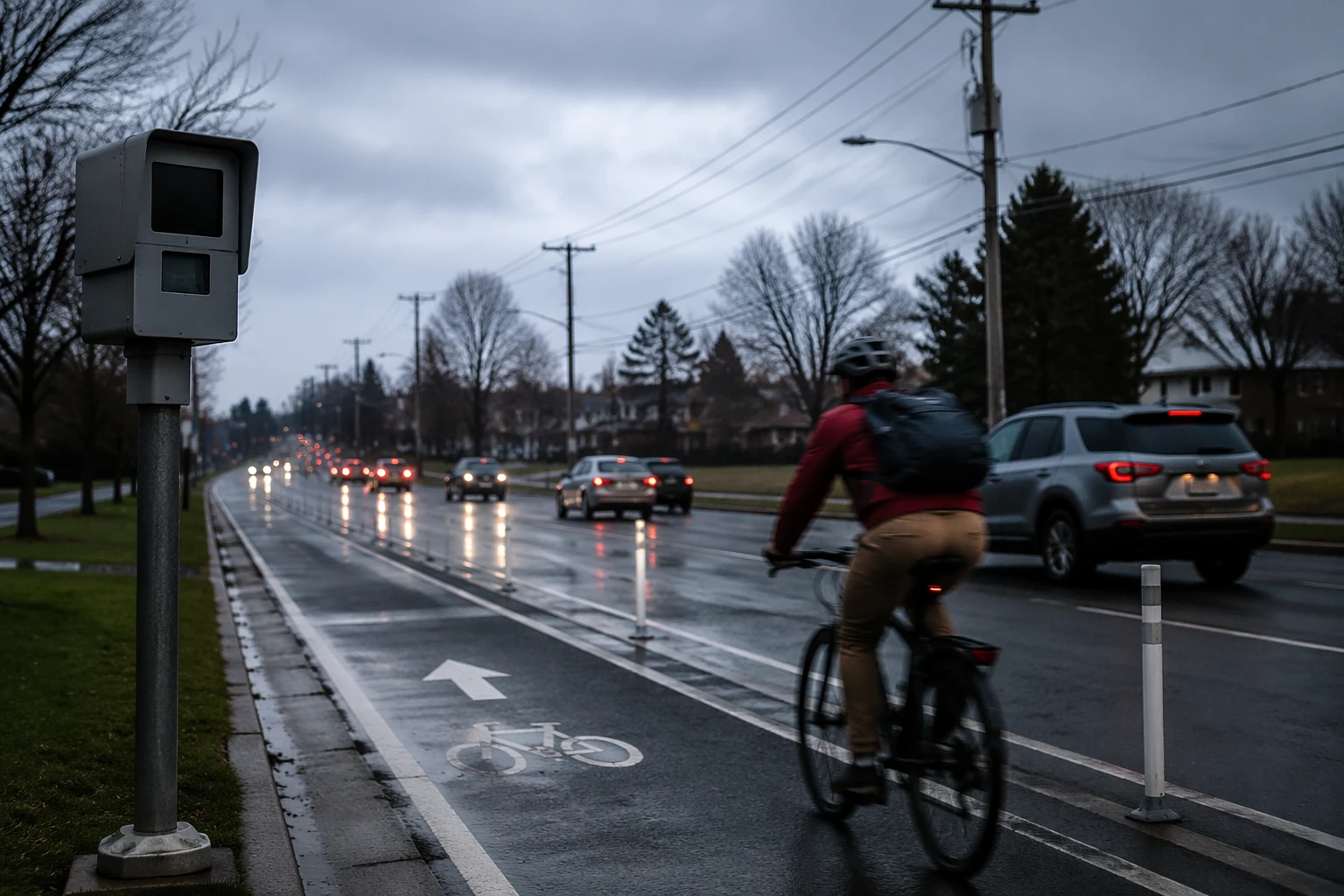
Transportation Secretary Sean Duffy has pushed a turn away from bike infrastructure. On July 7, 2026, Duffy posted on X about "DEI bike lanes" and climate change, and the department redirected $1.73 billion in grants away from bike-lane projects and toward roads and bridges. Advocates noticed the FHWA web-page changes late last week after that announcement.
A spokesperson said the department was "taking action to reverse the last administration's policies that decreased lane capacity and increased congestion" and said drivers expect gas-tax and vehicle-fee dollars to be reinvested in roads rather than "social initiatives."
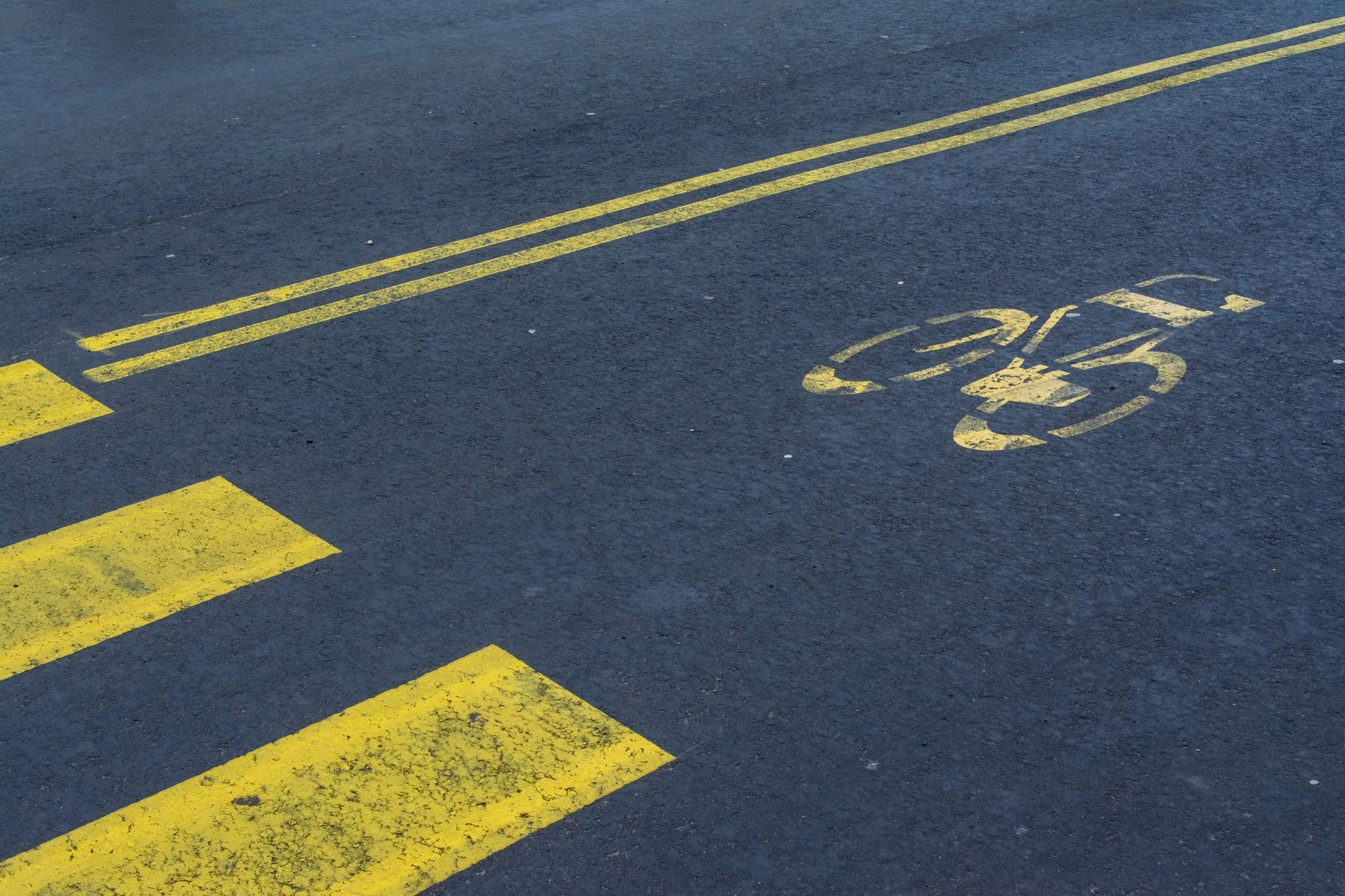
The Trump administration previously tried to remove a stretch of bike lanes around the National Mall in Washington, D.C., and has repeatedly moved against projects it viewed as unfriendly to cars.
Sources
- [1]npr.org
- [2]transportation.gov
- [3]highways.dot.gov
- [4]nhtsa.gov
- [5]bikeleague.org