Technology
Fi Ultra becomes first Starlink-enabled pet tracker for dead zones

Fi launched Ultra on July 8 as the first consumer product outside smartphones to ship with Starlink Direct-to-Cell as a core feature, giving its dog tracker a satellite failover path when LTE drops out. The collar automatically switches from cellular service to T-Mobile’s T-Satellite network when networks are out of reach. Fi built Ultra for owners who hike, hunt, or spend long stretches off-grid.
T-Mobile’s T-Satellite activates automatically and can support texting, location sharing, and some apps in outdoor areas across the United States where users can see the sky. In October 2025, T-Mobile said the service had expanded beyond basic messaging and was powered by more than 650 Starlink direct-to-cell satellites.

Fi CEO Jonathan Bensamoun said customer feedback consistently showed demand for a tracker that works in low-service areas. The company, founded in 2017 by Bensamoun and Loren Kirkby, first launched its GPS-enabled dog collar in 2019 and shipped its millionth product last year. In June 2025, Fi introduced Series 3+, which it called the world’s first AI-powered dog collar, with behavior detection for scratching, licking, barking, eating, and drinking, along with twice the GPS sensitivity and Apple Watch integration.
Ultra adds callback training tools using sound and vibration, Lost Mode, nearby-user Search Party support, a speaker, and a vibration motor. It works with standard collars and harnesses. Engadget puts Ultra at about two days on a charge, far shorter than the roughly two weeks to three months Fi gives Series 3+, depending on activity.
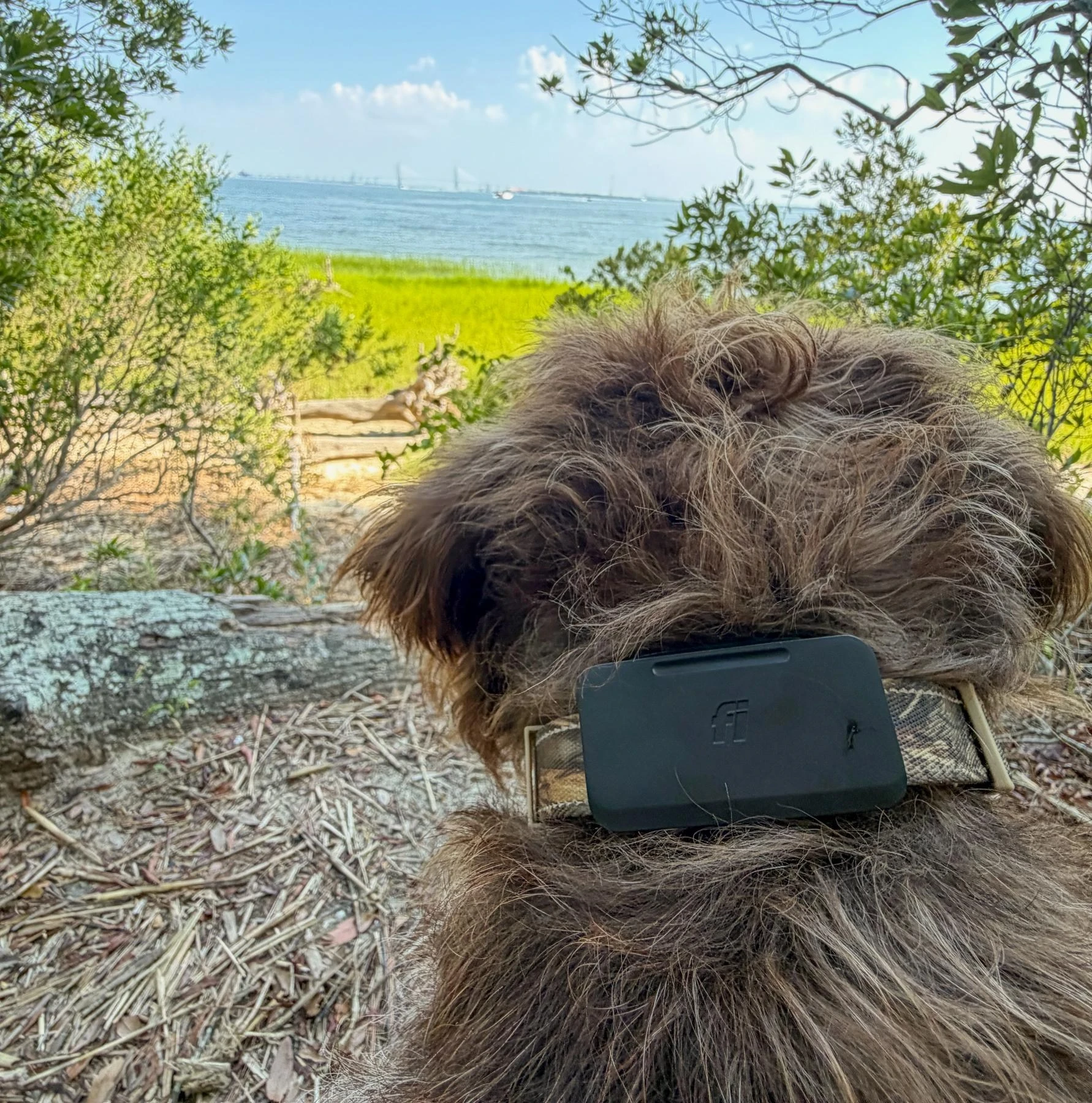
Fi priced Ultra at $199 for new customers, plus a $20 activation fee and a $189 annual membership. Existing Fi Series 3+ and Mini members can buy it for $299 as an add-on. T-Mobile sells its satellite service to non-customers for $10 a month or includes it with some premium plans, and service can still be delayed, limited, or unavailable depending on sky view and network conditions.
Sources
- [1]theverge.com
- [2]engadget.com
- [3]spacenews.com
- [4]t-mobile.com
- [5]businesswire.com
- [6]secure.businesswire.com