Sports
FIA declares Austrian Grand Prix a heat-hazard race amid Europe heatwave
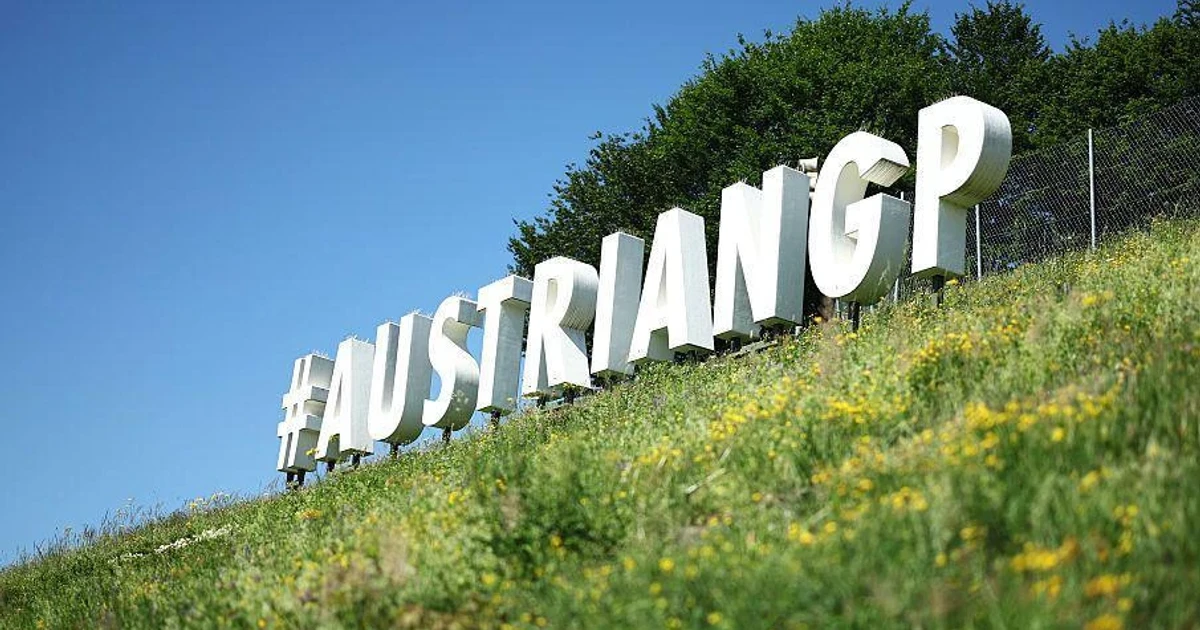
Formula 1’s governing body declared the Austrian Grand Prix a heat-hazard race on Thursday after forecasting that the Heat Index at Spielberg’s Red Bull Ring would rise above 31.0C during the event. The 71-lap race is scheduled for Sunday at 14:00 BST, with temperatures expected to reach about 33C as the June 26-28 weekend unfolds in Austria.
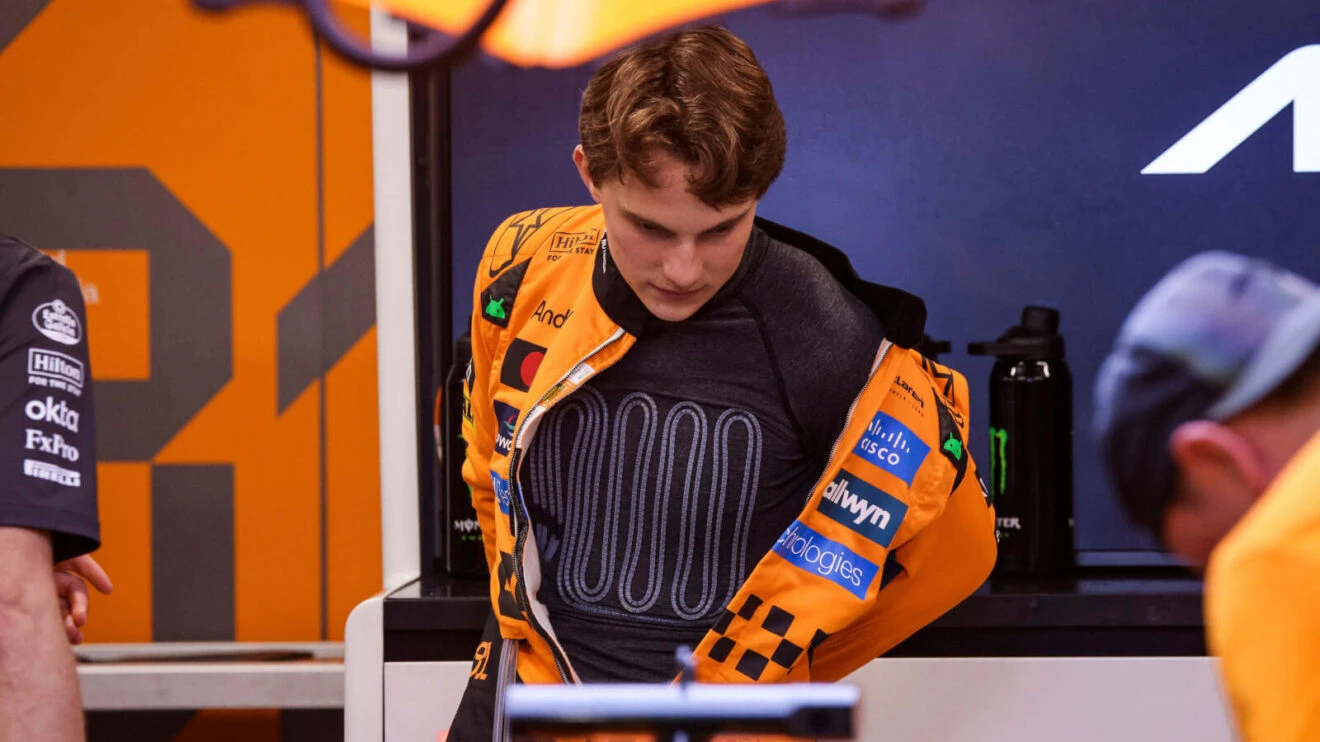
The FIA notice, signed by Formula 1 race director Rui Marques, triggers a mandatory driver cooling system in every car. That can include a liquid-cooled vest, though drivers are allowed to opt out and instead carry a ballast penalty. The car’s minimum weight is also increased to make room for the hardware, a compromise intended to protect drivers without tilting the competition against those who use the system.
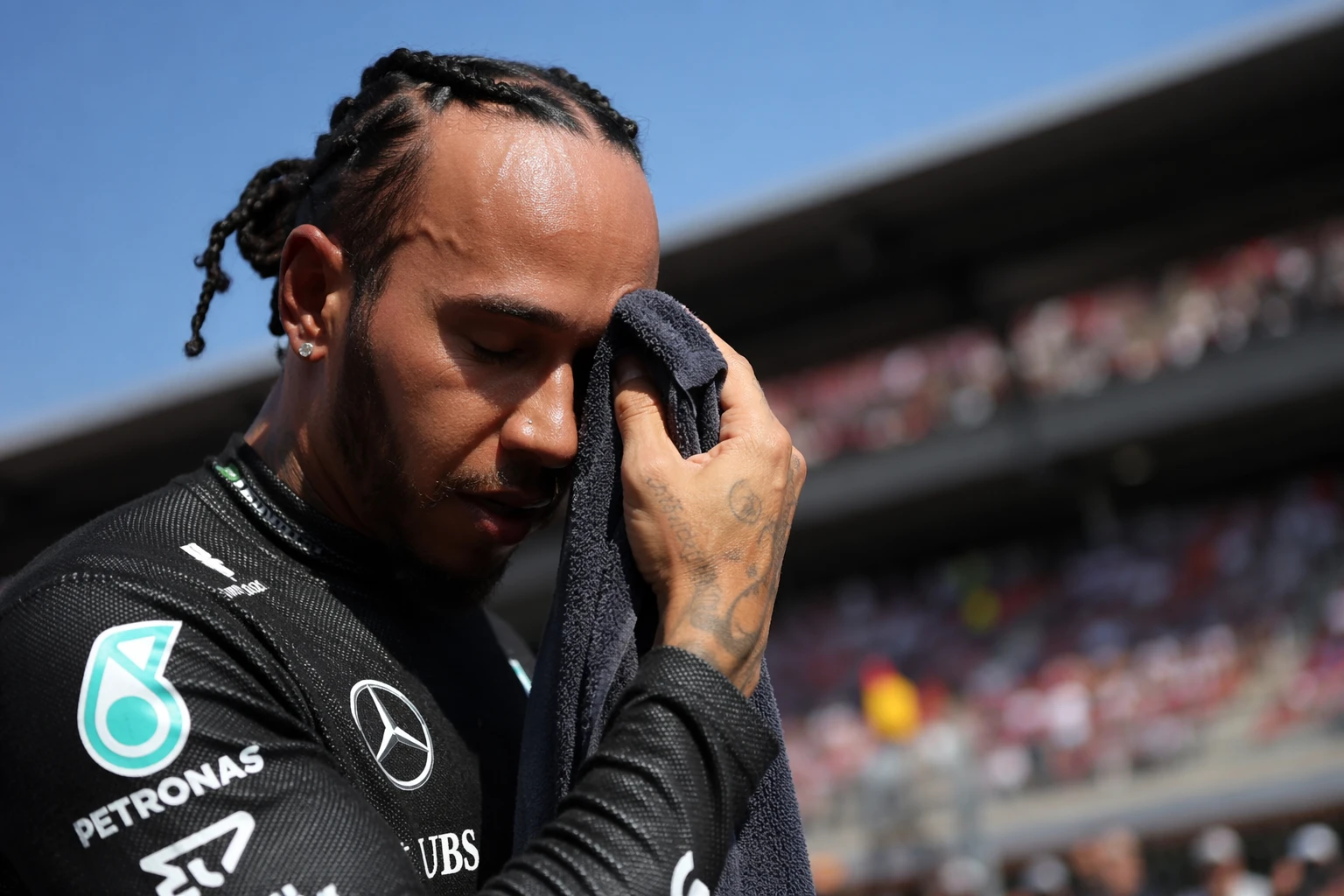
It is the first time the heat-hazard designation has been used in the 2026 season. The protocol itself was introduced in 2025 and first deployed at the Singapore Grand Prix before being used again at the United States Grand Prix in Austin later that year. The trigger is straightforward and mechanical: once the official forecast predicts a Heat Index above 31.0C, the FIA can declare a heat hazard under its regulations.
The rule was developed after the 2023 Qatar Grand Prix, when extreme heat and humidity left drivers struggling in the cockpit. Lance Stroll later said he was “passing out in the car” in Qatar, and the FIA said it would study the episode and consider changes for future extreme-weather events. That response has since become part of Formula 1’s safety framework, with cooling equipment now treated as standard race-day infrastructure when conditions cross a set threshold.
The Austrian decision shows how quickly climate stress is becoming an operational issue for elite sport. A race in the Styrian hills is not normally associated with the conditions that forced Formula 1 to rethink its procedures after Qatar, yet a Europe-wide heatwave has pushed Spielberg into the same category. For the sport, the question is no longer only how to race in heat, but how often a hotter calendar will force the FIA to turn weather into a regulatory decision.
Sources
- [1]bbc.co.uk
- [2]fia.com
- [3]thestar.com.my
- [4]formula1.com