Sports
FIFA debuts referee body cameras for World Cup 2026 goals
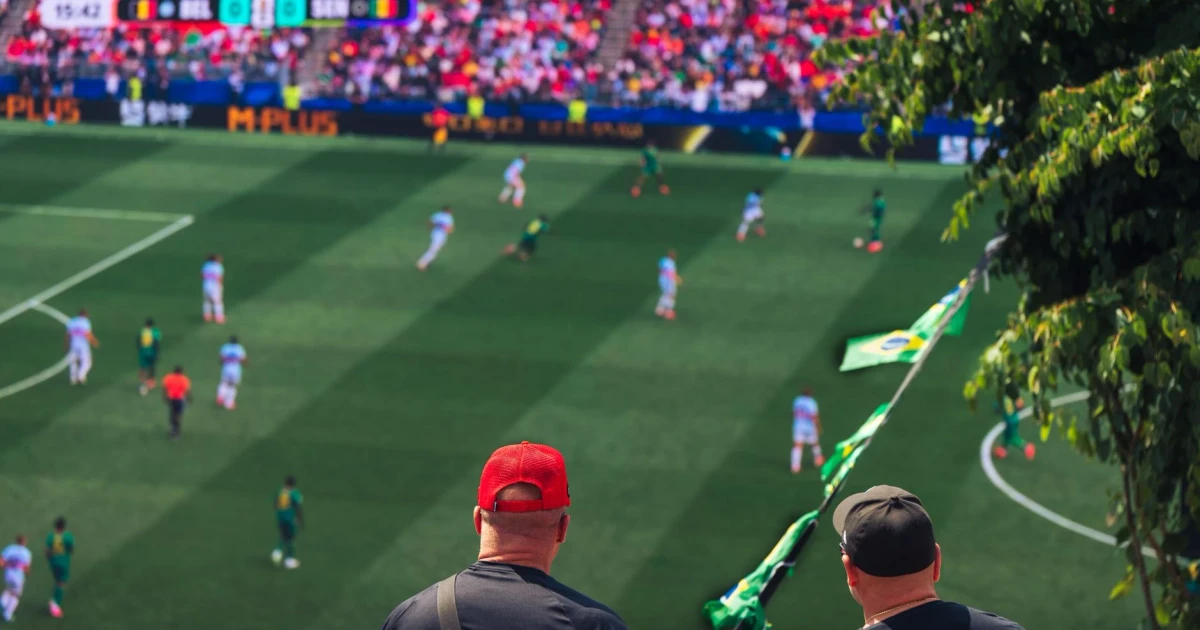
FIFA has put referee body cameras into every match of the 2026 World Cup, turning a rules-and-technology upgrade into a new way to watch the game. The cameras are part of a broader package that also includes a faster semi-automated offside system, with FIFA saying the new angle should deliver more stable pictures and a true referee’s-eye view across all 104 matches in the United States, Mexico and Canada.
The tournament opened on 11 June, and the first wave of official clips has already shown why FIFA is pushing the feature so hard. A referee-level view changes the feel of a goal before the finish ever arrives: the frame tightens around space, pressure and reaction time, making the speed of elite attacks easier to read than from the stands or a broadcast sideline camera. In Messi and Mbappé sequences, the camera catches how quickly a defender closes a lane, how little room a creator has to work, and how early a final decision is forced.
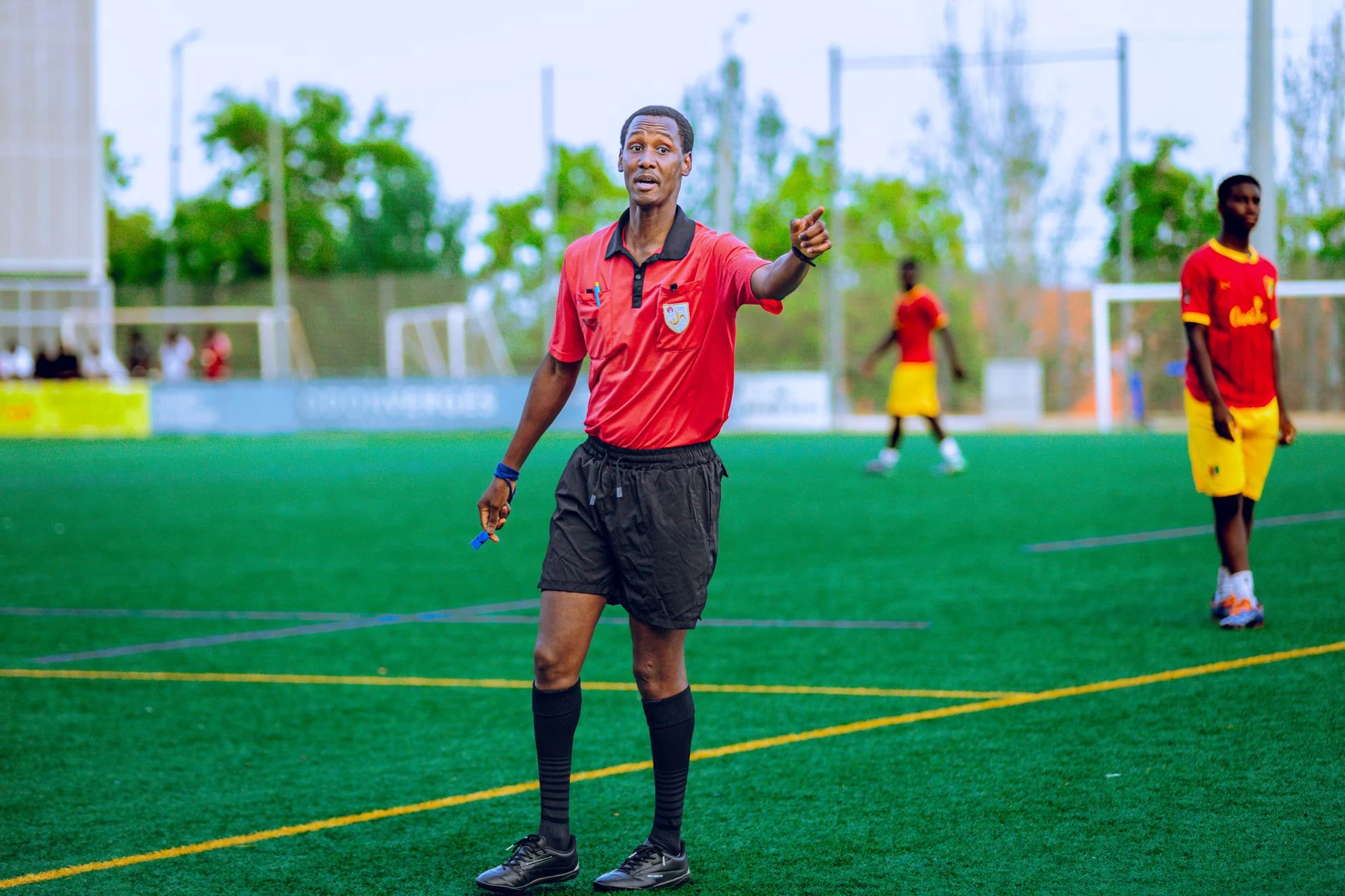
That matters because FIFA is not only selling accuracy. It is also packaging officiating as a viewing experience. By placing the viewer where the referee stands, the organization is turning a normally hidden layer of the sport into part of the television product, with match-defining moments now filtered through the same perspective that shapes a whistle, a goal decision or an offside review.
The timing is no accident. FIFA has tied the technology rollout to the tournament’s biggest names, especially Lionel Messi and Kylian Mbappé, whose rivalry still frames the event four years after the 2022 final between Argentina and France. Messi became the World Cup’s all-time leading scorer by passing Miroslav Klose, while Mbappé moved into a shared second place on the tournament’s historical scoring list during the group stage and added more goals later in the competition.
FIFA has described the Messi-Mbappé duel as one that keeps pushing the tournament’s boundaries, and the referee-camera debut fits that framing. The footage does more than capture goals. It shows the pace at which World Cup decisions are made, the geometry of elite attacking movement and the narrow margins between a clean finish and a review. In that sense, the technology is not only changing officiating. It is changing the angle from which fans experience the sport.
Sources
- [1]telemundo.com
- [2]inside.fifa.com
- [3]fifa.com