Sports
Fifa defends Infantino amid backlash over failed World Cup sell-off plan

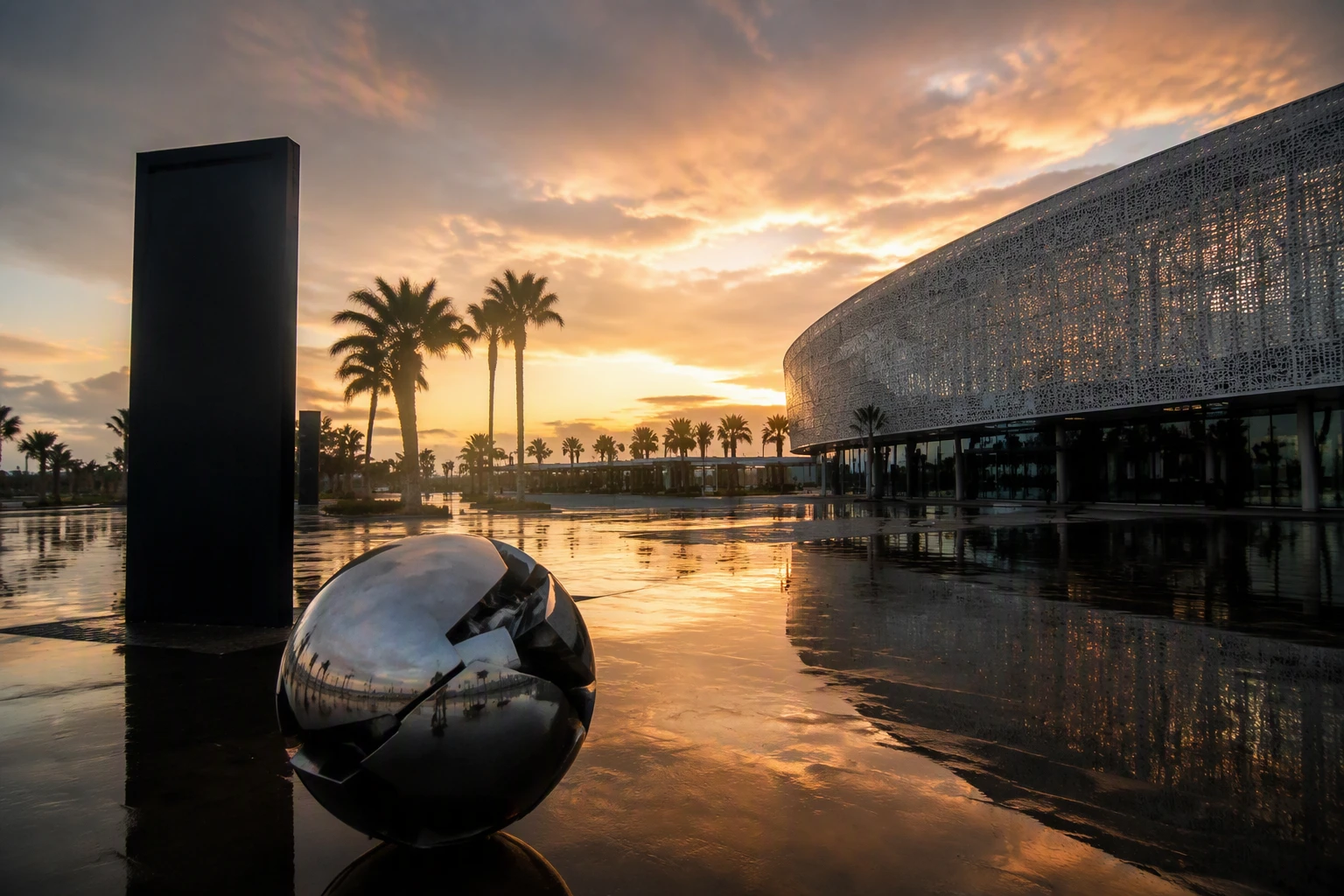
Fifa moved to close ranks around Gianni Infantino after a failed plan to create a commercial subsidiary and sell stakes in future World Cups to private investors triggered a fresh governance revolt. At a crisis meeting in Rabat, Morocco, senior staff said they had “reaffirmed their full support” for Infantino’s presidency, while Fifa also apologised for errors made over the proposal.
The backlash has spread far beyond Zurich. Uefa and Concacaf publicly questioned Fifa’s leadership after the plan was announced, and Uefa said Fifa’s defence of Infantino “changes nothing”, while warning that European teams could still boycott competitions including the World Cup. The Football Association was described as deeply concerned, and Uefa’s 55 member nations were said to be weighing an emergency meeting as the dispute hardened into a test of whether enough federations can force accountability inside the sport’s top body.
The pressure on Infantino has sharpened over transparency and control. Fifa said the meeting in Rabat, held on 5 August 2026 and attended by Infantino, secretary general Mattias Grafström and members of the FIFA Management Board, centred on the failed commercial plan and support for the presidency. Before that meeting, Fifa had faced fresh transparency calls after retreating from the sell-off proposal, and key figures had begun breaking ranks. Norway’s FA demanded Infantino’s resignation, while Canadian prime minister Mark Carney said he did not have confidence in Infantino’s leadership.
The fight now reaches into succession politics. Possible replacements for Infantino were already being discussed, adding another layer to a conflict that is no longer just about one abandoned deal. Fifa’s own Council has 37 members and serves as the main decision-making body between Congresses, so shifts in allegiance inside that group, and among the management board, can determine whether resistance stays rhetorical or turns into a real challenge.
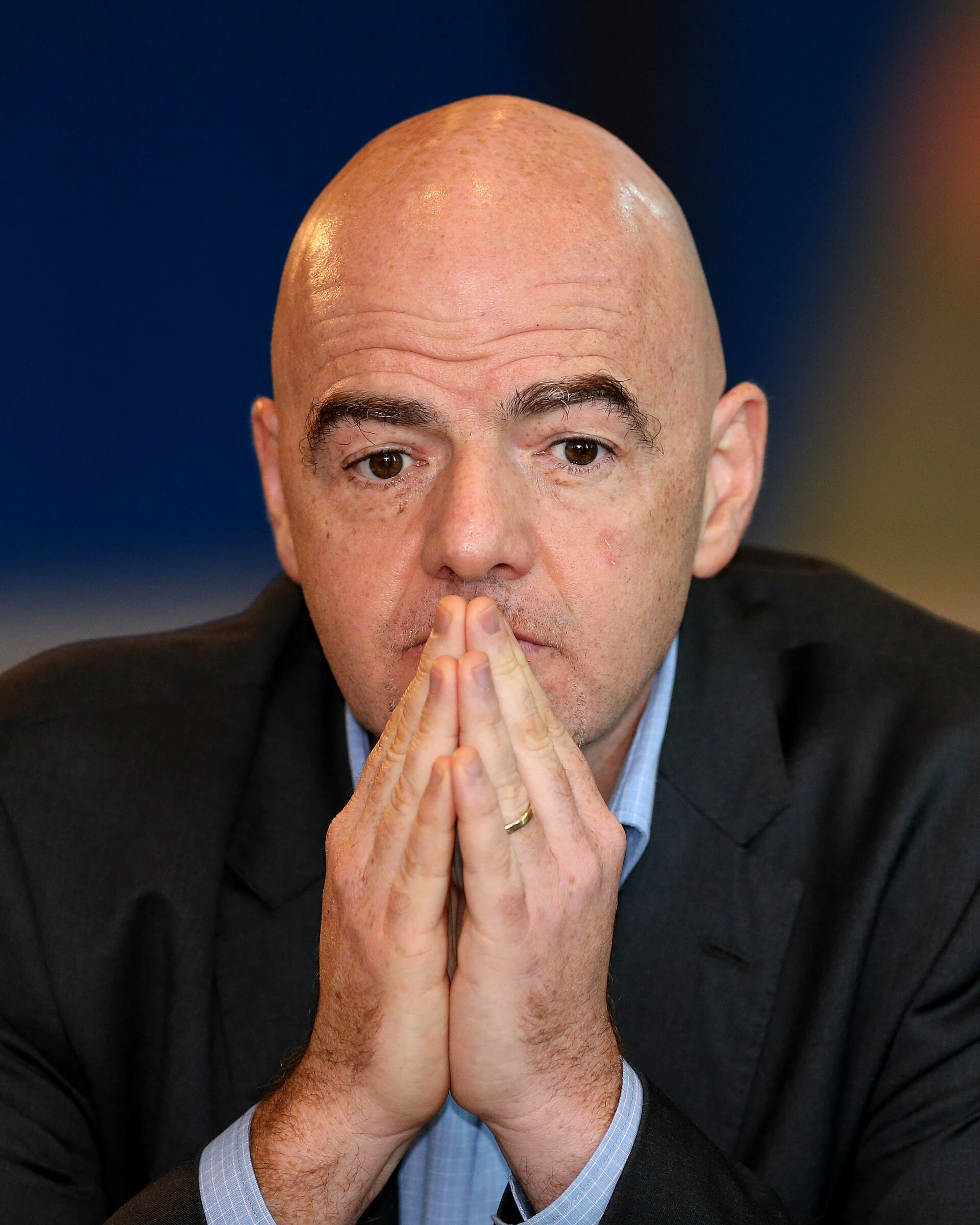
Infantino, who has led Fifa since February 2016, has repeatedly rejected allegations of improper influence and has brushed off criticism as “fake news” and “Fifa bashing”. That defense has become harder to sustain as the organisation’s commercial ambitions grow larger. Fifa said on 18 July that revenues from the expanded 2026 World Cup had “opened a lot of doors, opportunities and possibilities”, and on 20 July said the tournament had drawn more than six billion people and more than 6.6 million fans, the highest attendance in World Cup history.
The current backlash lands against a longer record of distrust over Fifa governance, including corruption allegations tied to the awards of the 2018 and 2022 World Cups to Russia and Qatar. Fifa is now trying to defend its president while promising stability, but the scale of the opposition suggests the argument is really about who gets to control the game’s future finances, and on what terms.
Sources
- [1]bbc.co.uk
- [2]inside.fifa.com
- [3]reuters.com
- [4]bbc.com