Sports
FIFA introduces new time limits and discipline rules for World Cup 2026
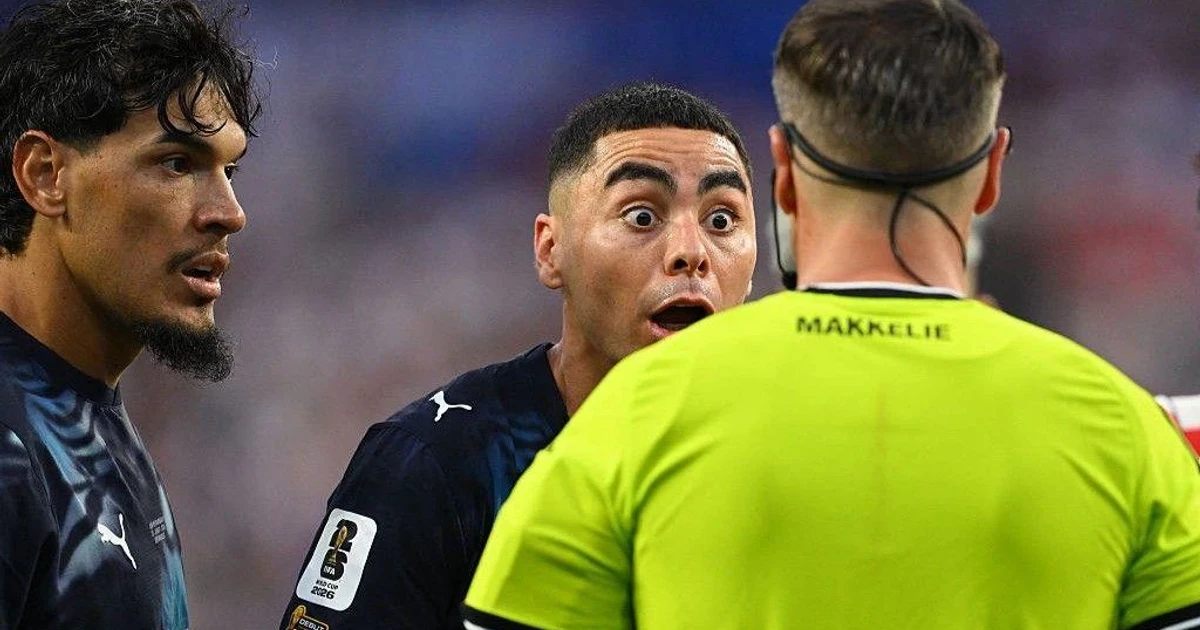
FIFA is tightening the clock on restarts and substitutions for World Cup 2026, but the tournament’s sharper edges may come from the gaps that remain in the laws. A recent diving dispute showed how a call can feel unmistakable to officials and still sit outside VAR’s reach, widening the space between what fans see and what the protocol allows.
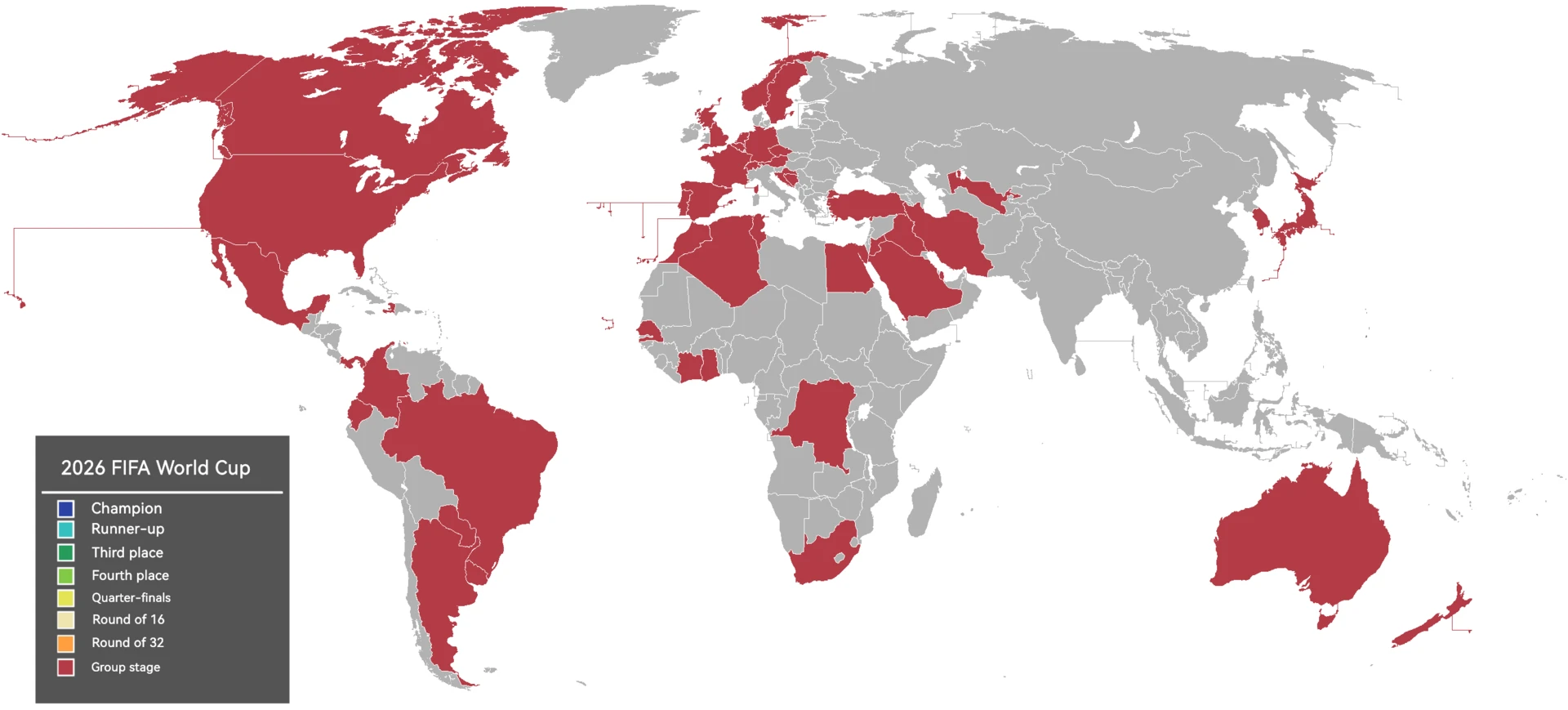
The changes arrive for the 23rd World Cup, the first to feature 48 teams and the first staged across Canada, Mexico and the United States. The tournament runs from 11 June to 19 July 2026, and FIFA and the International Football Association Board say the new measures are meant to speed up matches, protect effective playing time and improve player behaviour.
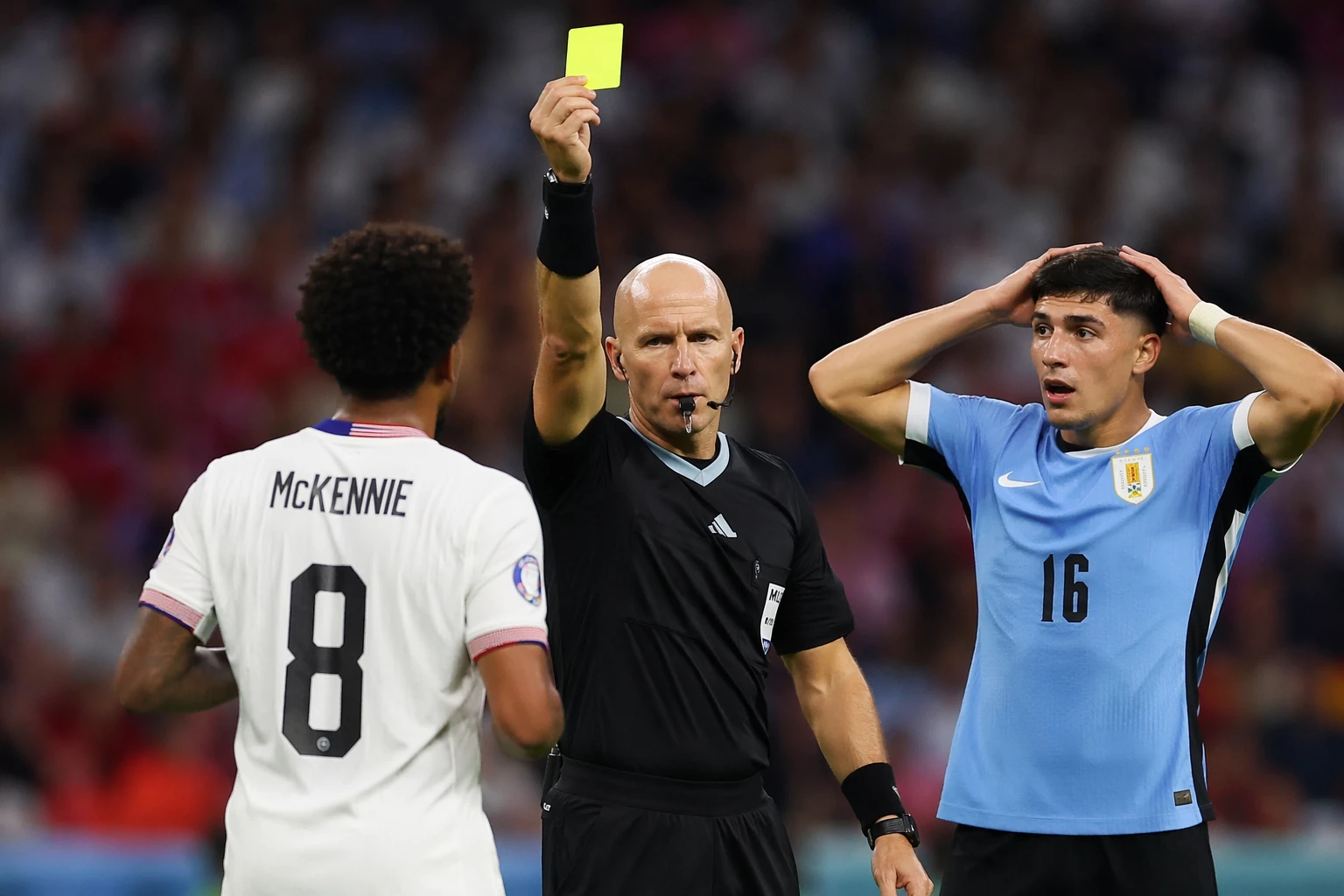
The most visible change is a five-second visual countdown for throw-ins and goal kicks. If a throw-in is delayed beyond the clock, possession goes to the opposition. If a goal kick runs over time, the restart becomes a corner kick for the other side. IFAB also approved a 10-second limit for substituted players to leave the field, a rule designed to cut dead time and restore flow.
Discipline rules were also adjusted. Under the 2026/27 law changes, the automatic yellow card for an accidental double touch on a penalty kick was removed. FIFA also approved a World Cup-specific regulation that clears single yellow cards after the group stage and again after the quarter-finals, a move that should prevent suspensions from carrying too deep into the knockout rounds.
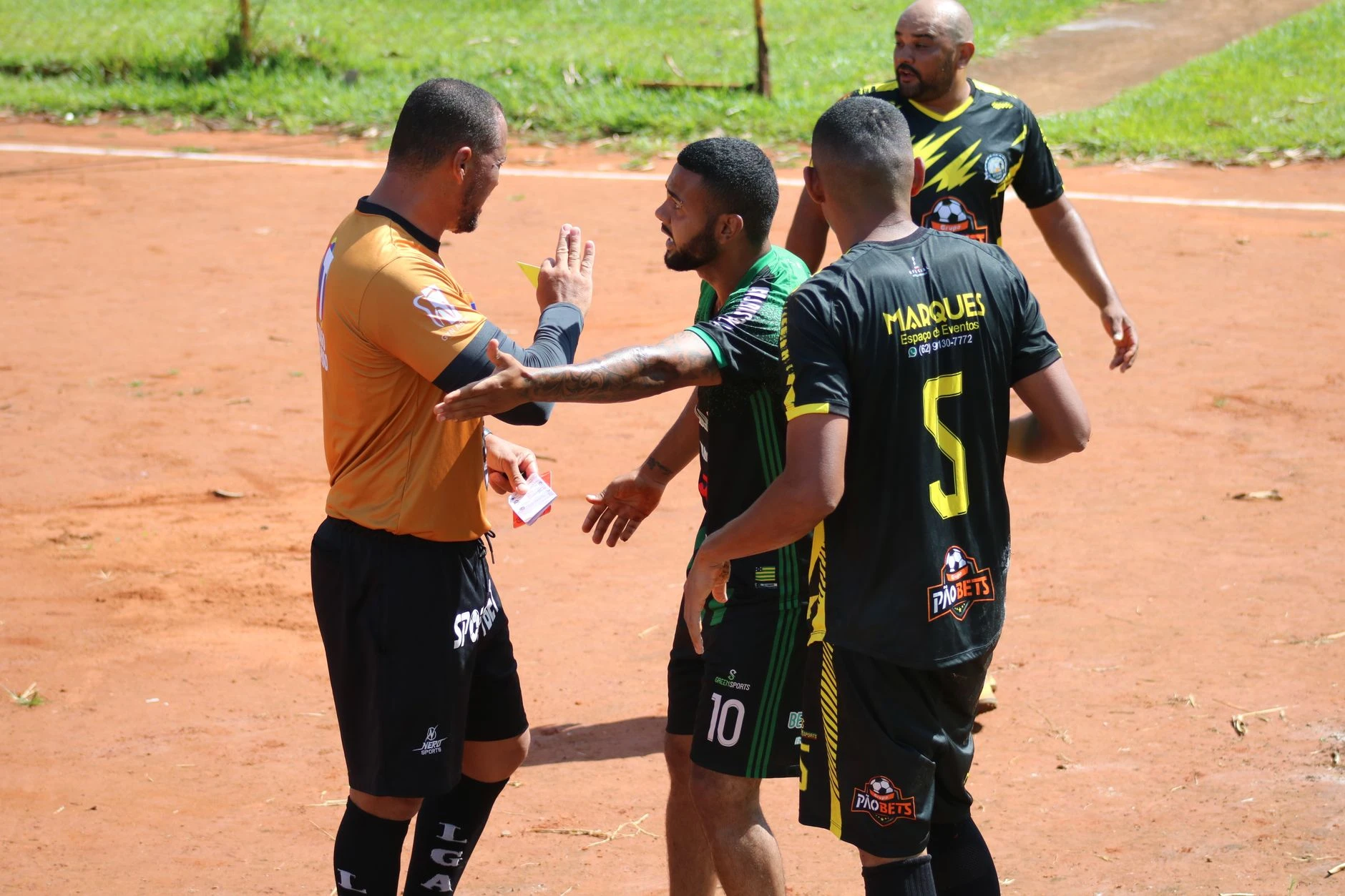
The rule changes were adopted after consultation with confederations and IFAB advisory panels, and FIFA has also backed tougher behaviour measures before the tournament. Those include the possibility of a red card for players who leave the field in protest at a referee’s decision, along with sanctions tied to discriminatory behaviour.
Yet the same drive to police behaviour has exposed a familiar problem: law and instinct do not always match. In a recent VAR-related diving case, BBC Sport reported that sources believed the referee’s decision was wrong even if it felt right. The issue is that simulation is not among the categories that VAR can review under the current protocol, which is limited to clear and obvious errors or serious missed incidents in specific areas.
That limitation matters because it leaves referees with calls that may appear obvious in real time but still cannot be revisited. VAR first entered the Laws of the Game in 2018/19, and the 2026 changes show how the system keeps evolving without fully resolving its core tension. World Cup 2026 will test not only how quickly the game can be managed, but how much controversy football can absorb when the law still says no to the most emotionally compelling appeals.
Sources
- [1]bbc.com
- [2]inside.fifa.com
- [3]theifab.com
- [4]downloads.theifab.com
- [5]sports.yahoo.com