Sports
FIFA lifts Balogun suspension, Pochettino backs striker for Belgium clash
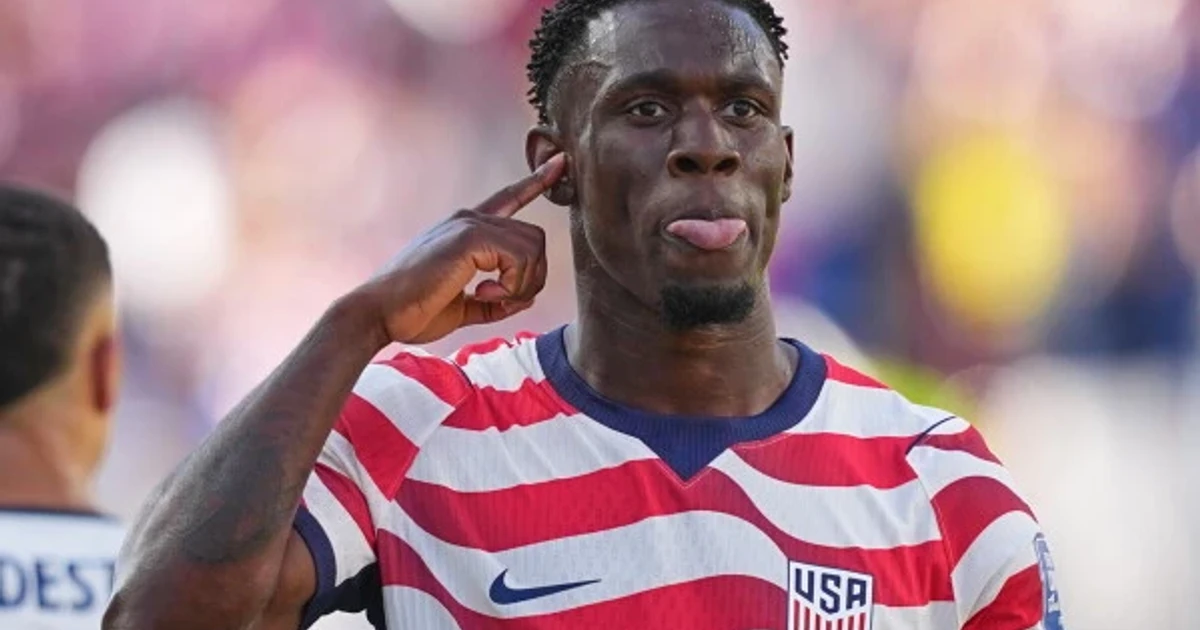
FIFA lifted Folarin Balogun’s suspension and cleared the United States striker for the Belgium match, ending a brief disciplinary saga that had put one of Mauricio Pochettino’s top attackers on the brink of a one-game absence. The reversal restored a starting-caliber forward to the lineup at a moment when the United States needed its most reliable central option in a knockout game.
Balogun’s case began in the 64th minute of the United States’ 2-0 win over Bosnia and Herzegovina on July 1, 2026, when he was shown a direct red card after a VAR review for contact with Tarik Muharemovic. That decision initially carried an automatic one-match suspension, the standard consequence for a straight dismissal. FIFA later lifted the punishment, leaving Balogun available for the round of 16 against Belgium.
The ruling triggered a wider dispute over how the game was handled after the final whistle. FIFA’s disciplinary committee reviews every red card from a match and formally classifies the offense, usually within 24 hours, which is why the case moved quickly from the field to the rulebook. Belgium’s federation asked FIFA for an explanation and made clear it was unhappy with the outcome, while Belgium coach Rudi Garcia said the news sounded like a joke when he first heard Balogun had been cleared.
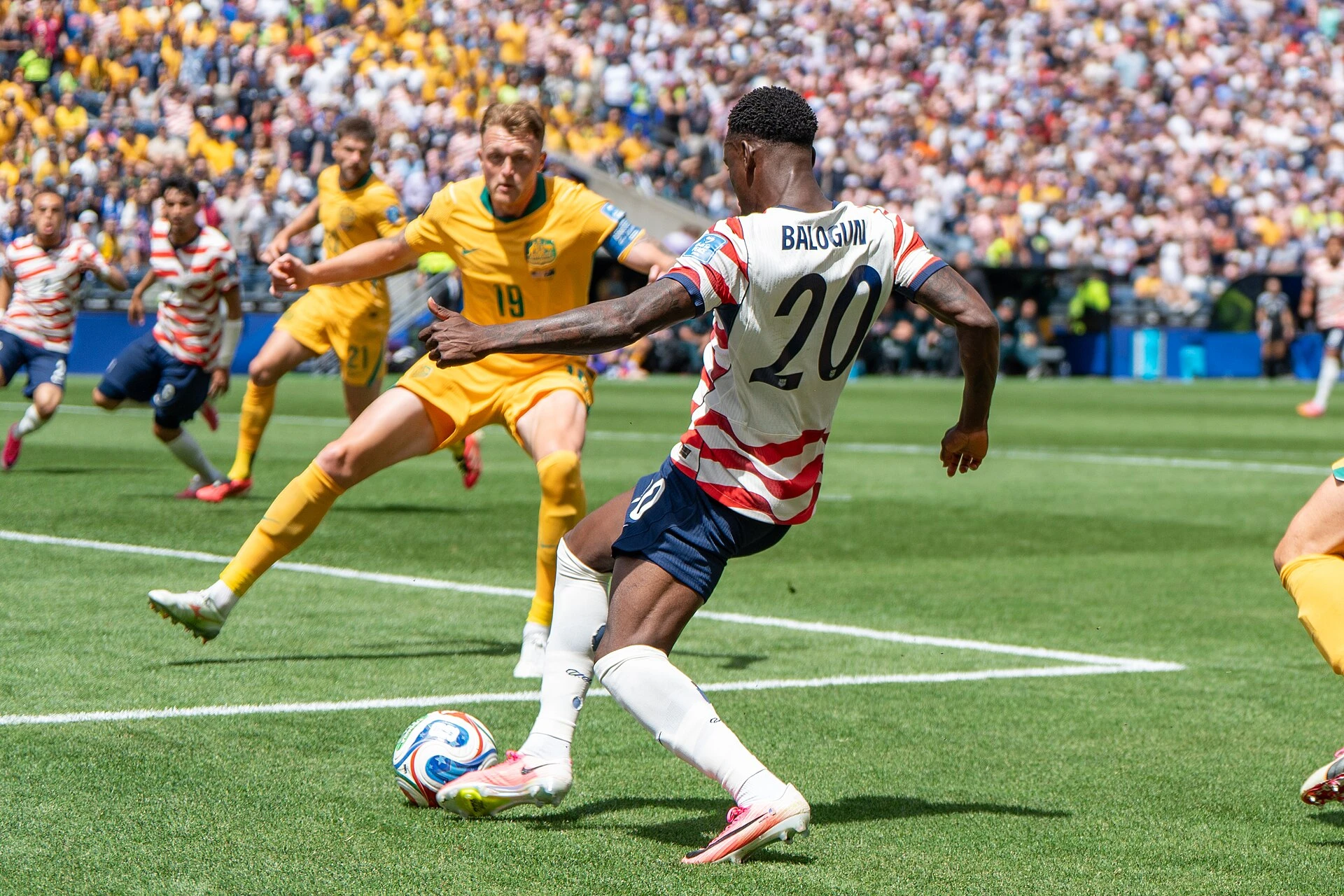
Pochettino stood firmly behind his striker throughout the controversy. He said the contact was accidental, insisted Balogun did not deserve a red card and described the action as part of the normal flow of football rather than a sending-off offense. The coach later welcomed the decision to restore Balogun, a public defense that matched the view inside the U.S. camp that the forward had not committed a punishable foul severe enough to keep him out.
The tactical consequence is immediate. Balogun had been treated as one of the United States’ principal attacking weapons in the tournament, and his availability gives Pochettino a true starting striker instead of a forced reshuffle at the top of the formation. Against Belgium, that means the United States can build its plan around a forward who can lead the line, stretch defenders and anchor the attack, rather than entering a decisive match without its clearest central scoring threat.
Sources
- [1]telemundo.com
- [2]sports.yahoo.com
- [3]usatoday.com
- [4]reuters.com
- [5]apnews.com
- [6]espn.com