Sports
FIFA makes mandatory hydration breaks standard at 2026 World Cup
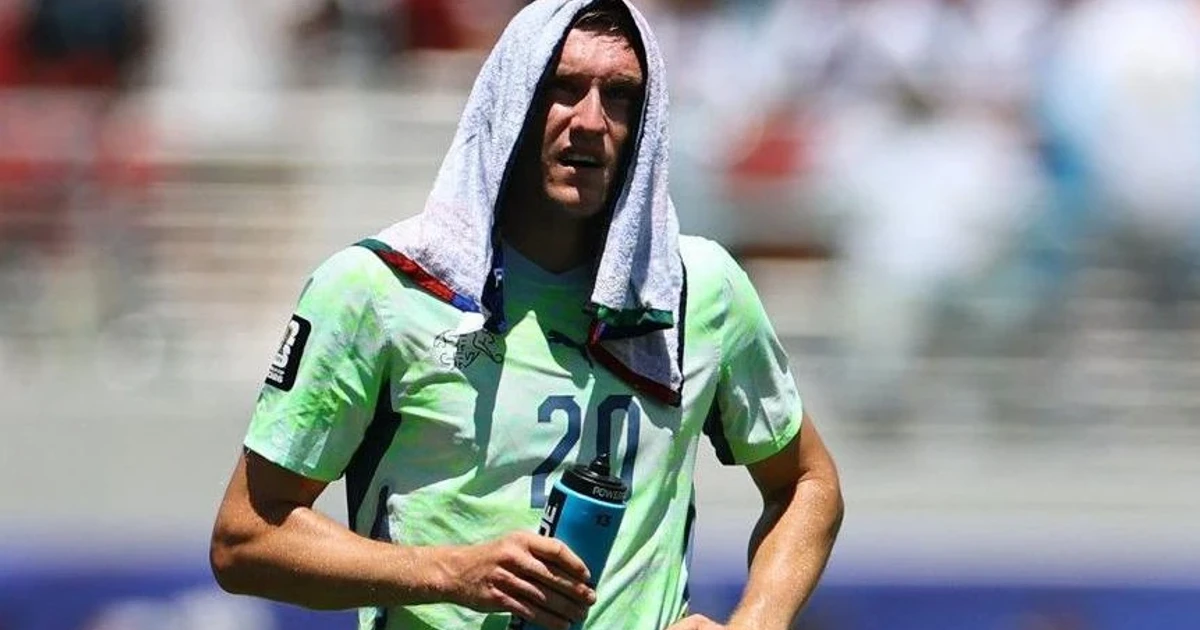
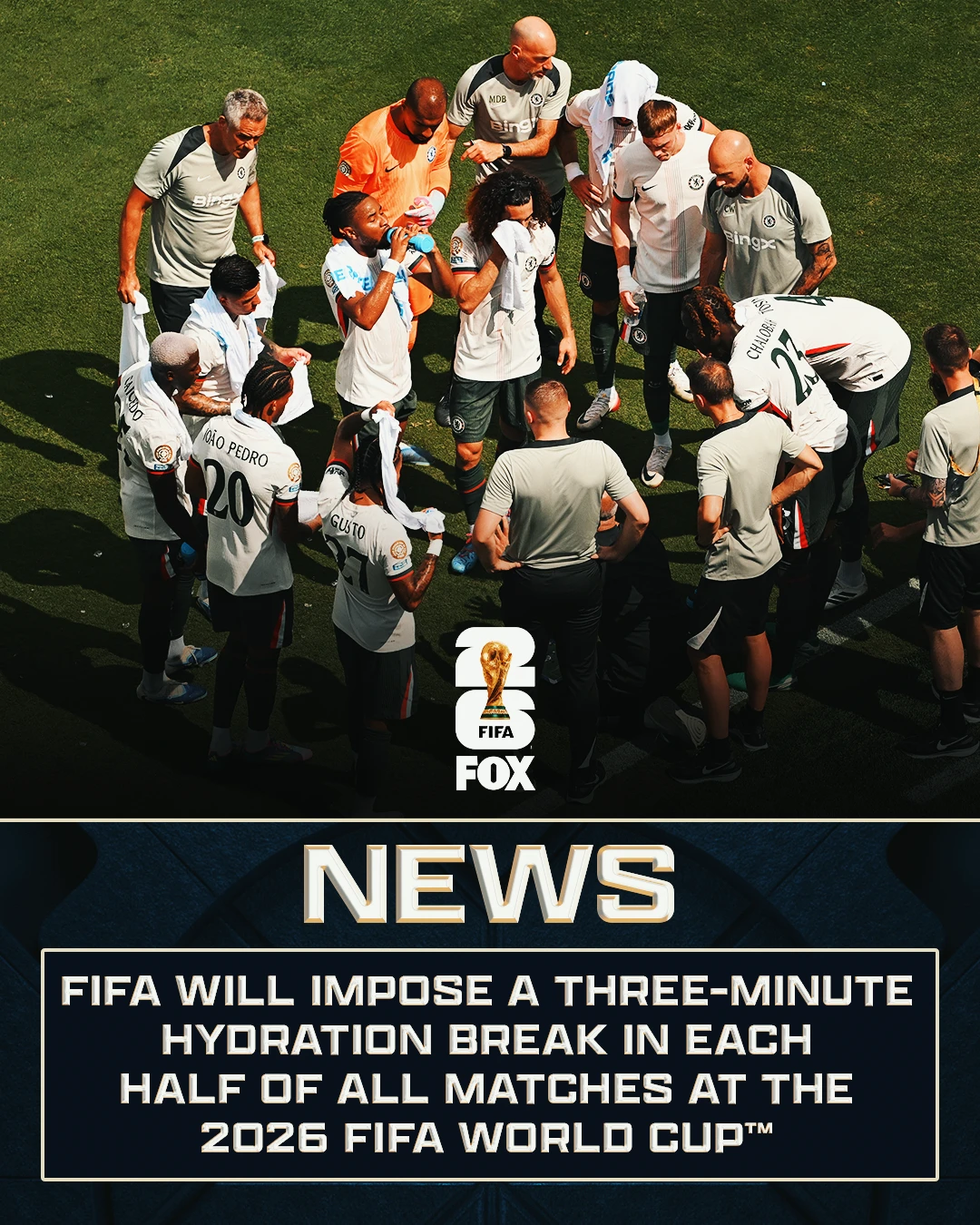
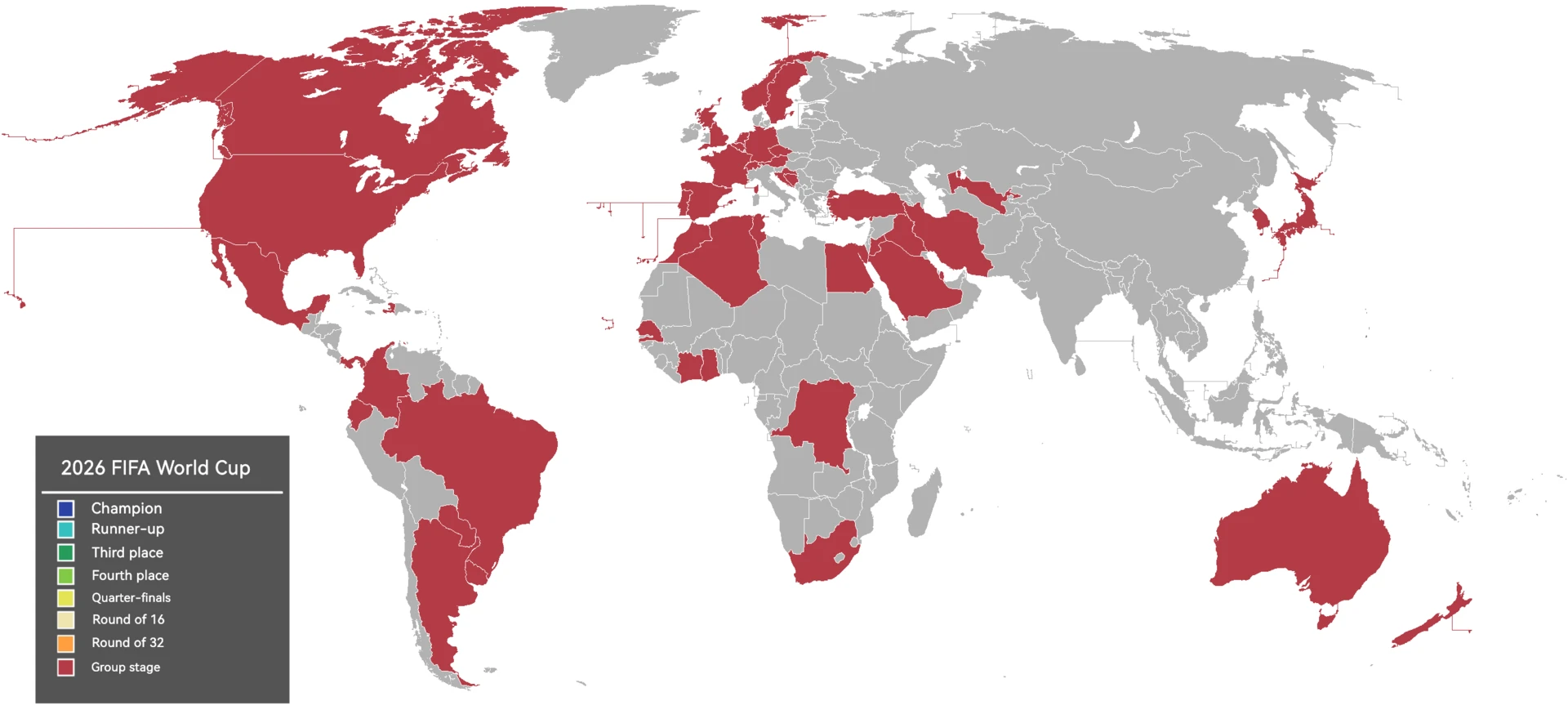
FIFA has made hydration a fixed part of the 2026 World Cup, ordering three-minute breaks in all 104 matches, with referees stopping play 22 minutes into each half no matter the weather. The tournament, which runs from June 11 to July 19 across Canada, Mexico and the United States, is the first World Cup for 48 teams, and the new rule puts climate risk at the center of the event’s design.
The change marks a sharp break from earlier World Cups, when drinks or cooling stops were usually left to referee discretion or tied to temperature thresholds. The International Football Association Board’s 2019/20 clarification distinguished between short drinks breaks for rehydration and cooling breaks used in hot, humid conditions, a distinction that mattered in Brazil in 2014, when the first unofficial water stoppage came in the United States-Portugal match in Manaus and the first official cooling break came in the Netherlands-Mexico round-of-16 game in Fortaleza, where temperatures reached 39C and Wet-Bulb Globe Temperature topped 32C.
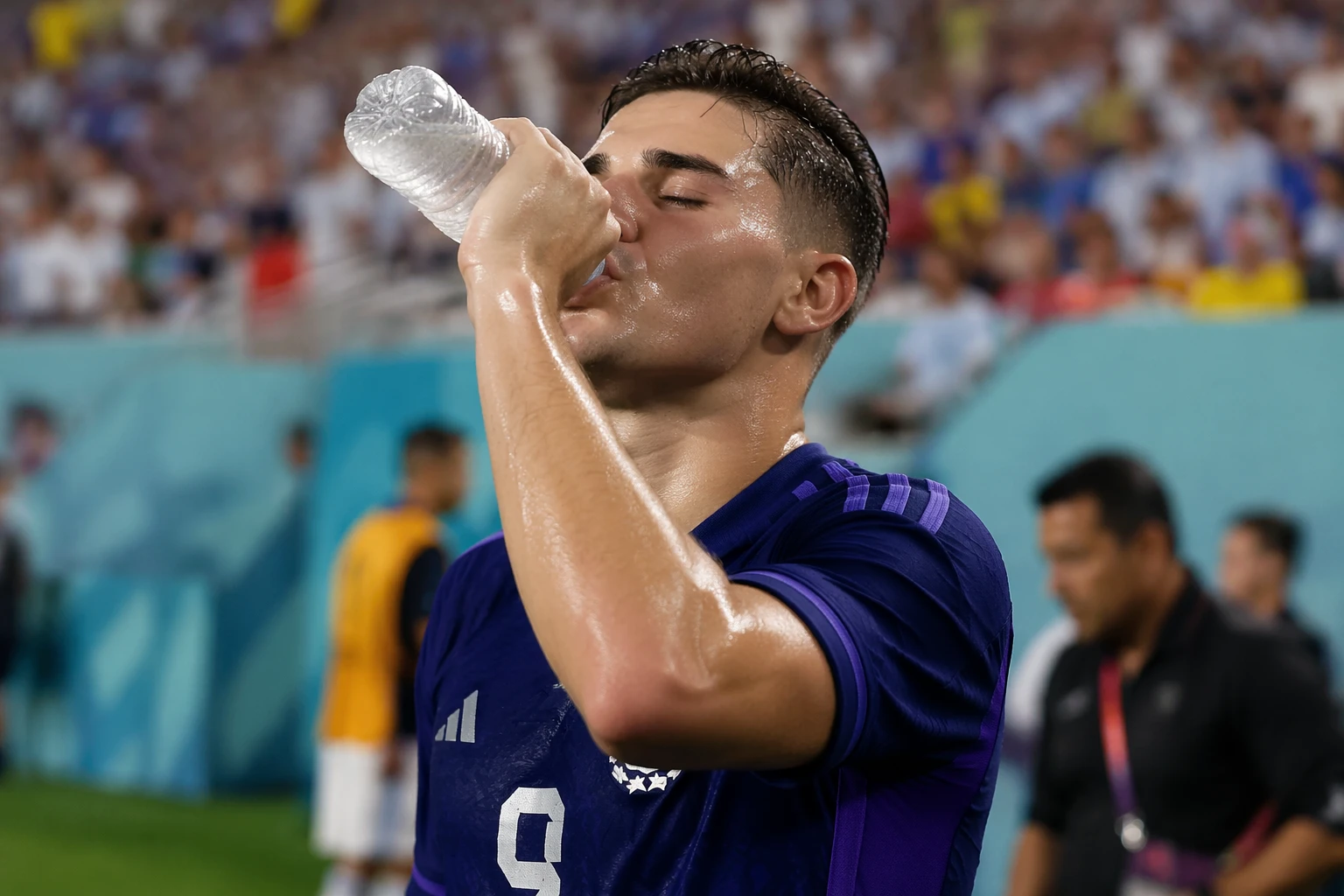
FIFA said the schedule was built after technical analysis of venue temperatures and cooling infrastructure, a sign that the expanded tournament is being shaped as much by heat management as by competitive balance. The decision followed consultation with coaches and broadcasters, and FIFA chief tournament officer Manolo Zubiria said the stoppages would be “three minutes from whistle to whistle” in both halves. The governing body’s message is straightforward: every team should face the same conditions, whether it is playing in Philadelphia, Pasadena, or elsewhere on the North American circuit.
For players, the breaks are an obvious benefit in punishing heat. ESPN reported that Enzo Fernández said he felt dizzy in “very dangerous” temperatures at the 2025 Club World Cup, while Chelsea manager Enzo Maresca cut training short during a “code red” heat warning in Philadelphia. Spain midfielder Marcos Llorente also complained of intense heat and foot pain after a match in Pasadena. In that sense, the rule reflects a broader reality: climate stress is no longer a rare exception but a recurring competitive variable.
The losers may be the coaches who prefer a faster rhythm, the teams that press relentlessly, and the fans who lose momentum every 22 minutes. Mauricio Pochettino has criticized the mandatory pauses as unnecessary when conditions are not extreme, underscoring a tension between safety and game flow. Broadcasters may also profit, since the breaks create new commercial inventory, with Fox using the pauses for advertising and Telemundo saying it would keep showing live pitch action. In a 48-team World Cup built around 104 matches, the hydration break is no longer a pause in the action. It is part of the product.
Sources
- [1]bbc.com
- [2]inside.fifa.com
- [3]theifab.com
- [4]downloads.theifab.com
- [5]espn.com
- [6]forbes.com