Sports
FIFA mandates mid-half hydration breaks for every World Cup match in 2026
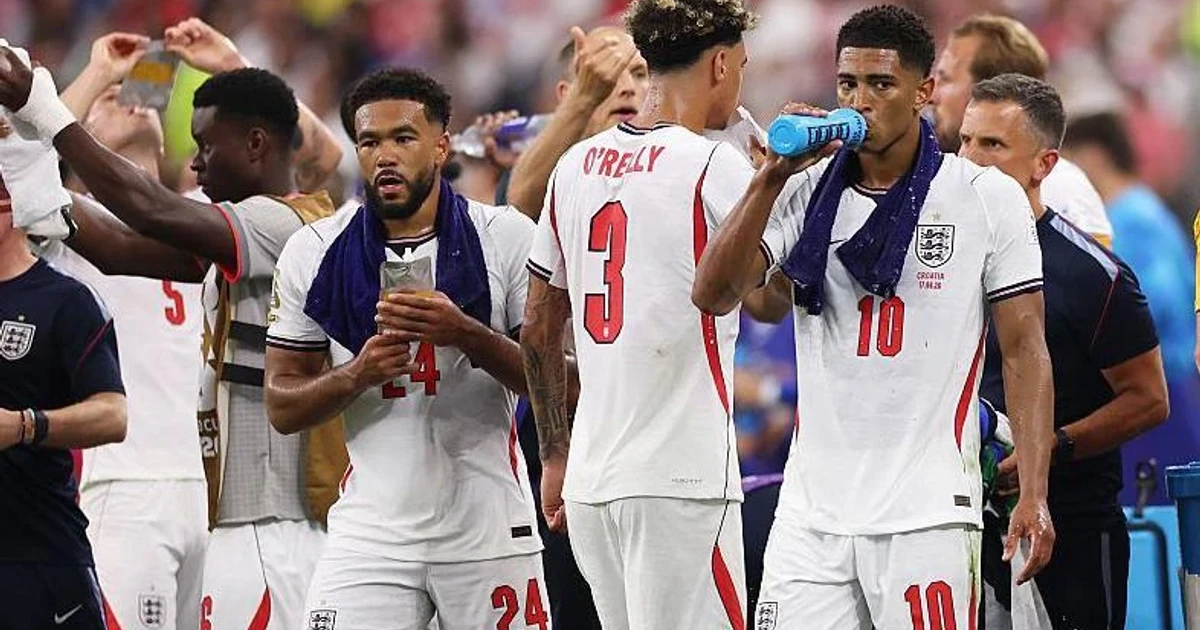
FIFA has turned hydration into a fixed part of the 2026 World Cup, ordering three-minute breaks in every one of the tournament’s 104 matches. Referees will stop play 22 minutes into each half, even in air-conditioned or climate-controlled stadiums, making the pauses as much a feature of the event as the ball and the whistle.
The policy reflects mounting concern about heat in the United States, Canada and Mexico, where FIFA said it reviewed venue temperatures, cooling infrastructure and logistics before settling on the format. The federation said the schedule was also built to reduce travel, maximize rest days and broaden global viewing access, while the final at New York New Jersey Stadium on Sunday, 19 July 2026, is set to include the tournament’s first half-time show. Three opening ceremonies are also planned.
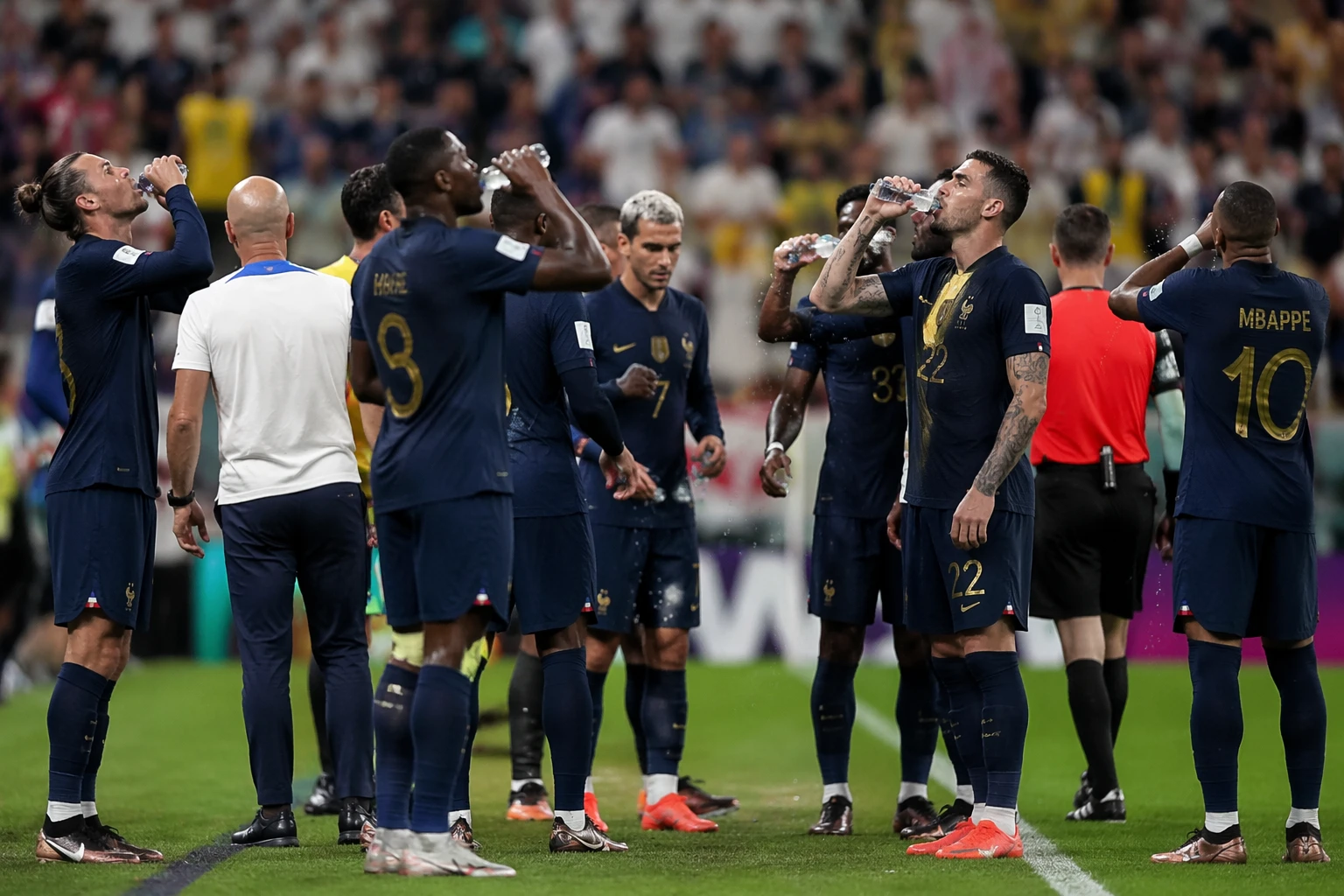
The breaks have already become one of the tournament’s early flashpoints because they are mandatory in every game, not just when conditions are severe. Recent major tournaments used drinks breaks more selectively, usually at the referee’s discretion or when temperatures crossed a threshold. Broadcasters have embraced the new stoppages as extra inventory, while some fans have answered with boos and critics have cast the rule as another step in football’s Americanisation.
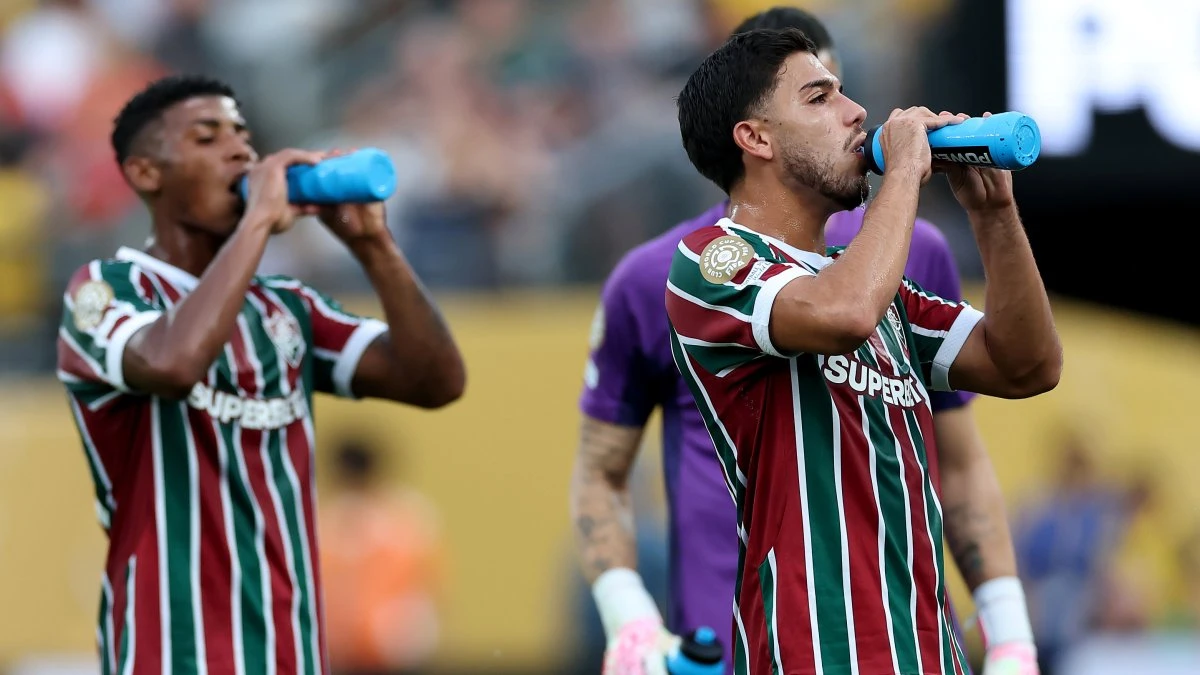
The heat argument is hard to dismiss. At the 2025 Club World Cup in the United States, Chelsea and Argentina midfielder Enzo Fernández said he felt “really dizzy” in “very dangerous” temperatures. Then-Chelsea coach Enzo Maresca said he cut training short during a “code red” heat warning in Philadelphia, and Spain midfielder Marcos Llorente said he felt “terribly hot” in Pasadena. FIFA has presented the new breaks as a direct response to that reality, a player-welfare measure for a tournament spread across a hot summer calendar.
The tactical consequences are just as immediate. USA head coach Mauricio Pochettino said he does not like the breaks when conditions are good and only accepts them in extreme weather, while Brazil coach Carlo Ancelotti used a hydration pause against Morocco to gather his players and adjust the game plan before Brazil equalized shortly after. Emma Hayes has described them as “momentum breaks,” because the pause can help the team that has been losing control, and that is exactly why the new rule is altering more than recovery time. It is changing how matches are managed, how broadcasts are sold and how the World Cup itself will feel in 2026.
Sources
- [1]bbc.com
- [2]inside.fifa.com
- [3]espn.com
- [4]sports.yahoo.com