Sports
FIFA profiles South American stars ahead of 2026 World Cup debut

FIFA’s latest World Cup profiles draw a clear map of the tournament’s balance of power: Argentina enters as the defending champion, Colombia arrives with its seventh qualification, Ecuador carries a younger core with real upside, and the Netherlands-Japan matchup shows how quickly a group can turn on one squad list or one injury. With the first 48-team World Cup and the final set for July 19 in New York/New Jersey, the margin between contender and spoiler looks thinner than ever.
Argentina remains the standard. Lionel Scaloni’s side, fresh off Qatar 2022, opens its 2026 campaign on June 16 against Algeria in Kansas City in Group J, alongside Austria and Jordan. FIFA has also used Maxi Rodríguez to frame the defending champion’s mentality, returning to the winger’s iconic volley against Mexico in 2006 as a reminder of the country’s World Cup memory and Lionel Messi’s still-rising hunger for another title.
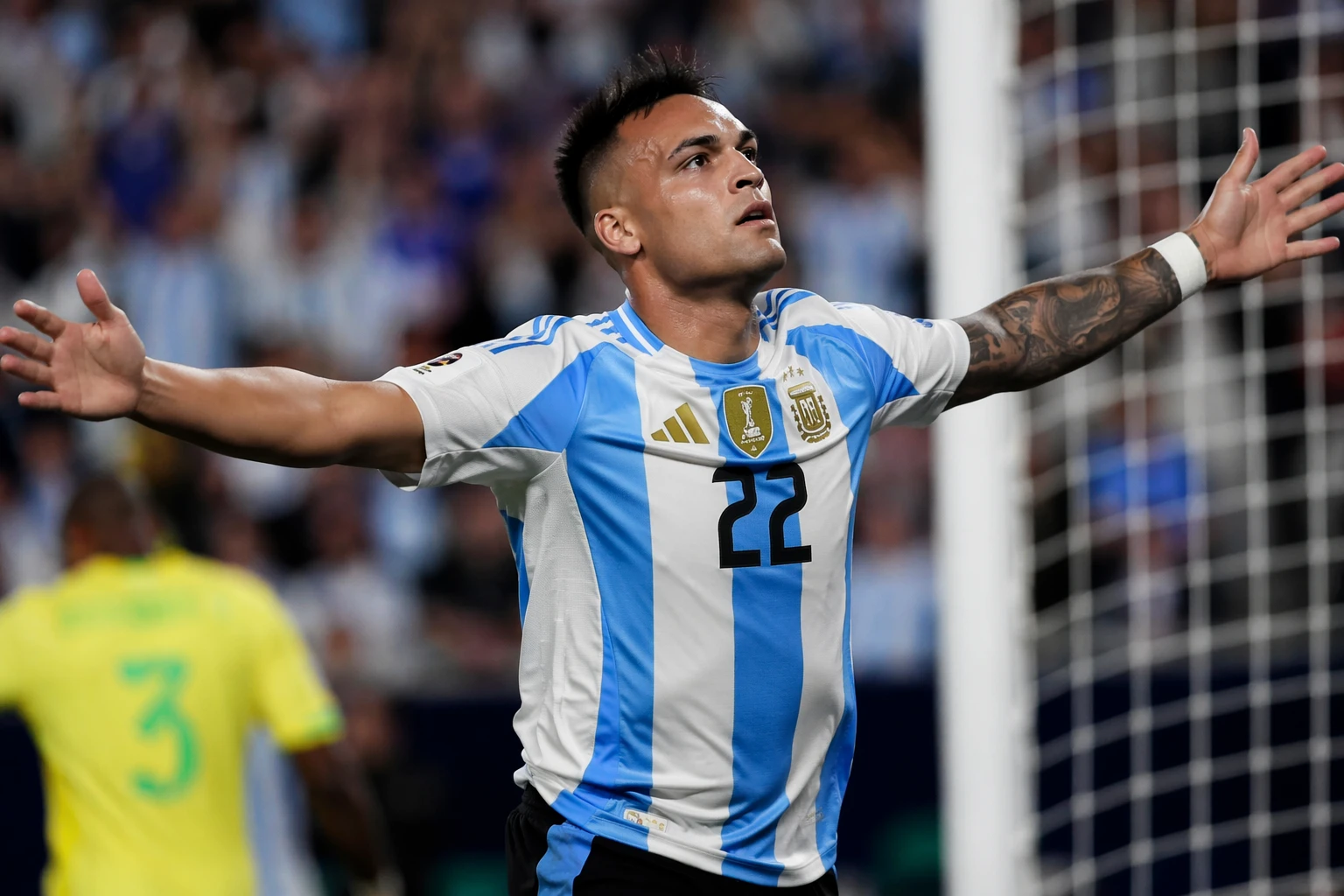
Colombia is the most obvious candidate to push beyond expectation. The team is heading to a seventh World Cup and begins on June 17 against Uzbekistan in Mexico City, with Portugal and Congo DR also in Group F. FIFA has centered James Rodríguez and Luis Díaz in its build-up, a sign that Colombia’s hopes still run through elite attacking talent, but the group also gives the side a difficult path if it wants to move from participant to genuine threat.
Ecuador brings a different question: whether a team knocked out in the group stage in Qatar 2022 can convert talent into results. Sebastián Beccacece’s squad includes Willian Pacho, Moisés Caicedo and Enner Valencia, and it opened on June 14 in Philadelphia against Costa de Marfil in Group E, which also includes Curaçao and Germany. That mix makes Ecuador the most volatile South American entry in FIFA’s field: less proven than Argentina, but potentially dangerous if Caicedo and Pacho stabilize the team quickly.
The most tactically revealing comparison may come from the Netherlands and Japan. The two sides already met in the 2010 World Cup, when Wesley Sneijder’s goal sent the Dutch through and helped carry them all the way to the final. Their rematch in Dallas pairs a Netherlands squad built around Virgil van Dijk, Frenkie de Jong and Memphis Depay with a Japan roster of 26 players that did not include Kaoru Mitoma because of injury. That absence matters because Japan’s ceiling changes without one of its most decisive wide threats.
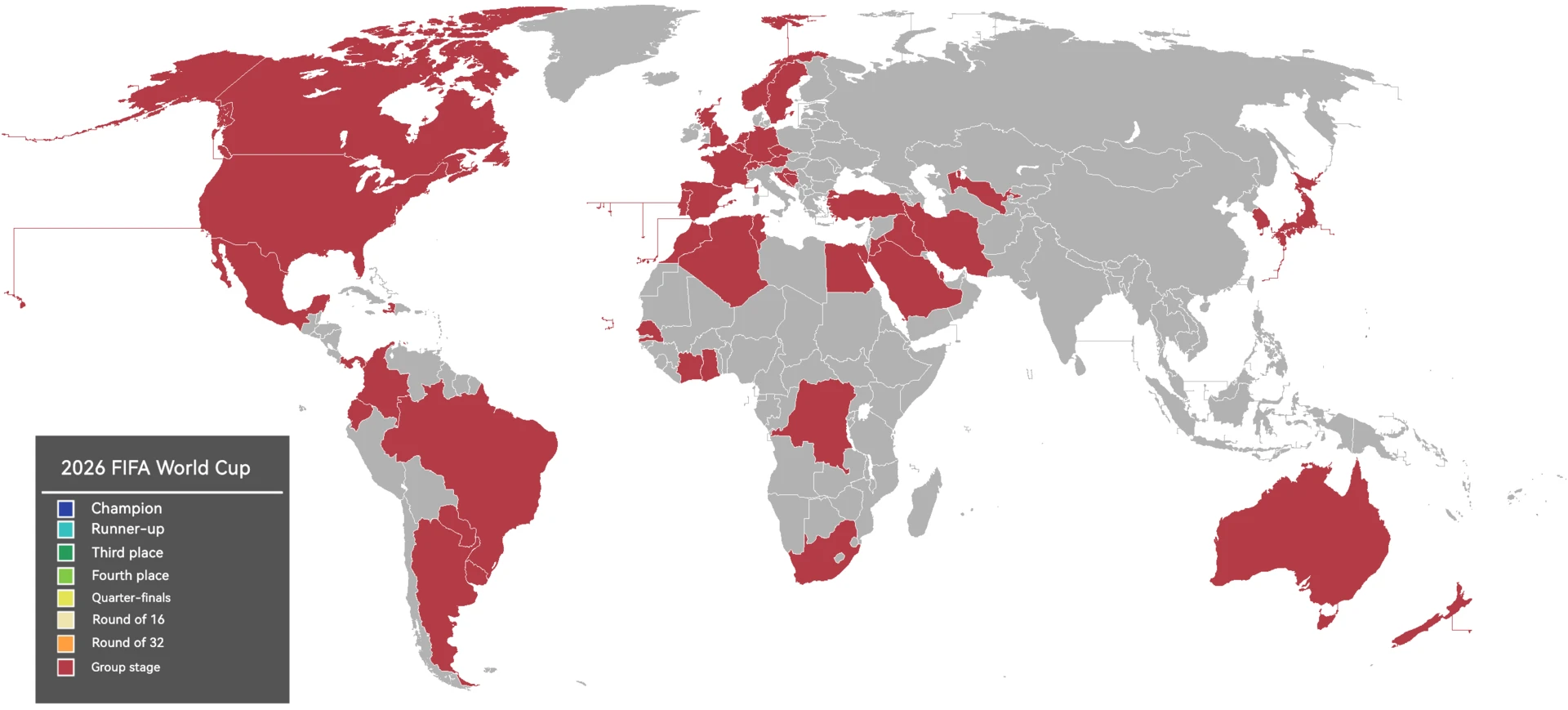
Taken together, FIFA’s profiles show a tournament with one clear benchmark in Argentina, one high-end challenger in Colombia, one high-variance South American squad in Ecuador, and two non-South American sides that can distort the bracket through structure, depth and health. In a 48-team World Cup, that is how the power map is usually drawn.
Sources
- [1]telemundo.com
- [2]fifa.com