Sports
FIFA scraps $20 billion World Cup sell-off plan after backlash
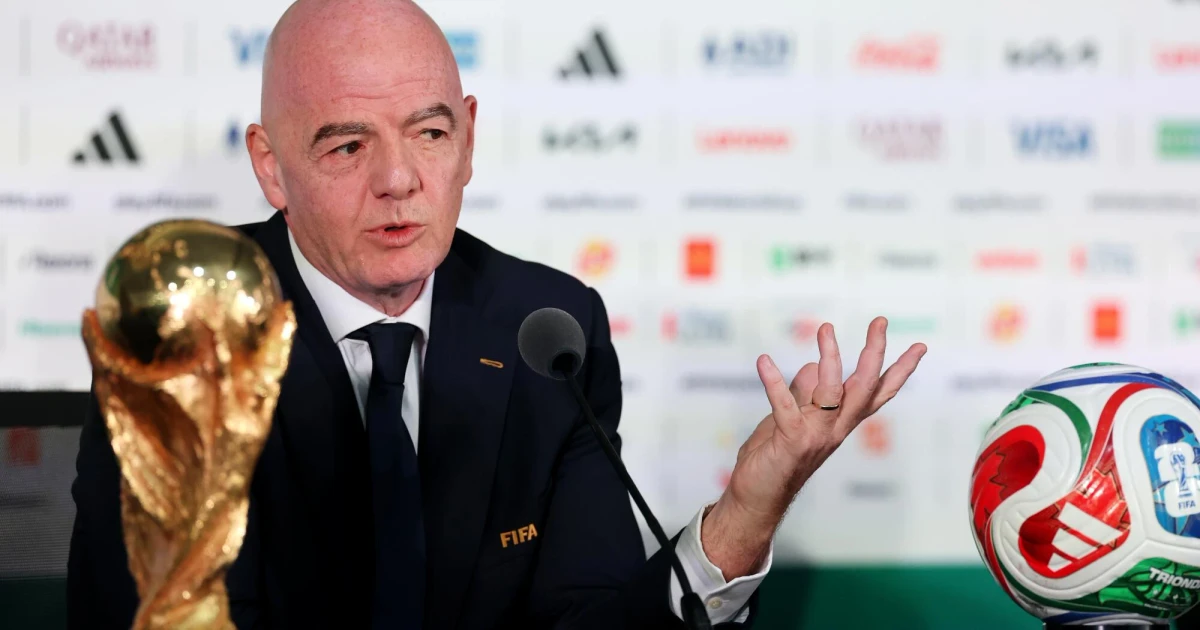
FIFA scrapped its $20 billion plan on July 31 to sell stakes in a World Cup-linked commercial vehicle after resistance from UEFA, CONCACAF and the Asian Football Confederation hardened into a wider governance revolt. The retreat ended Gianni Infantino’s push to pull outside capital into the sport’s most valuable rights package, including the men’s World Cup, women’s competitions and Club World Cup events.
The proposal would have created a roughly $20 billion subsidiary or commercial vehicle and offered investors stakes of up to 20 percent. Infantino described it as a proposal, "not an obligation," but the structure alarmed football officials who saw a private-equity-style model trying to monetize core competition rights and potentially shift control away from FIFA’s member associations.
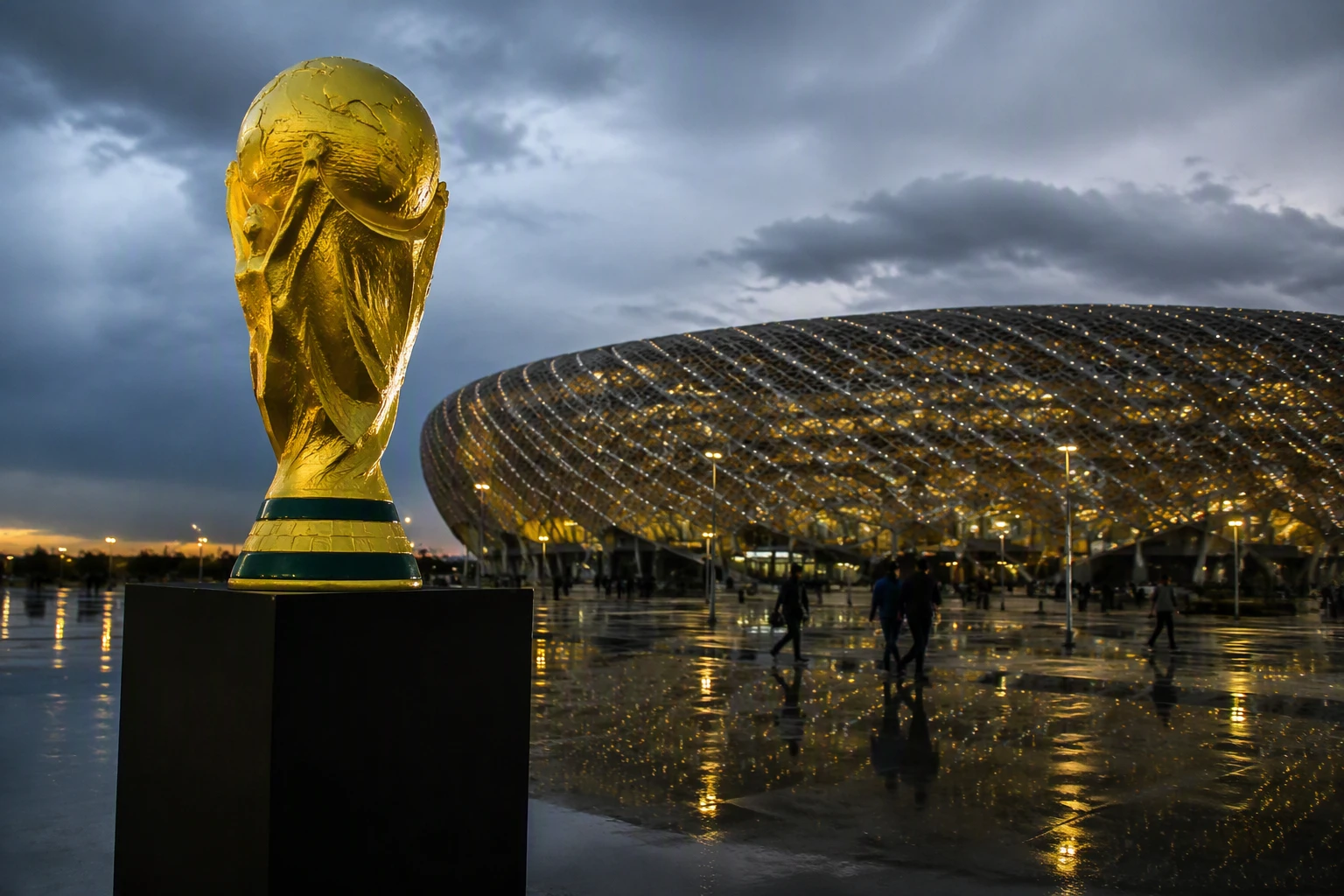
The pushback moved fast. UEFA held an emergency meeting with members on July 29, and by the next day UEFA, CONCACAF and the Asian Football Confederation had rejected the plan and urged FIFA to review its governance. The Australian players’ union joined the criticism, saying the World Cup should not be for sale. Those objections went beyond the usual dispute over revenue sharing and cut directly into questions of transparency, decision-making and who would benefit if tournament rights were treated like tradable financial assets.
The backlash also reached inside FIFA. Carlos Cordeiro resigned as a senior FIFA adviser in protest and called the plan a "bad deal for football." A second senior FIFA executive accused Infantino of deceiving staff over the project, underscoring how abruptly the idea had become a credibility problem inside the organization as well as outside it. FIFA had already moved into a consultation process over stake-sale plans before abandoning the proposal.

The collapse leaves the economics of the World Cup unchanged for now, but it exposes the limits of investor appetite for a structure that puts governance risk at the center of the deal. FIFA’s commercial model still rests on broadcasting, sponsorship and hosting rights, and any attempt to carve those rights into a new investment vehicle raises the same question: who controls the game if outside capital enters the room?

That question matters because the World Cup is FIFA’s flagship asset and a benchmark for the wider sports industry. A successful sale could have set a precedent for how other major sports bodies finance expansion, development projects and tournament costs for FIFA’s 211 member associations. Instead, the retreat leaves FIFA with the same financing challenge it was trying to solve without selling equity in the competitions themselves.
Sources
- [1]reuters.com
- [2]youtube.com
- [3]cbc.ca
- [4]nypost.com
- [5]espn.com