Sports
FIFA shelves controversial plan to sell World Cup stakes to investors
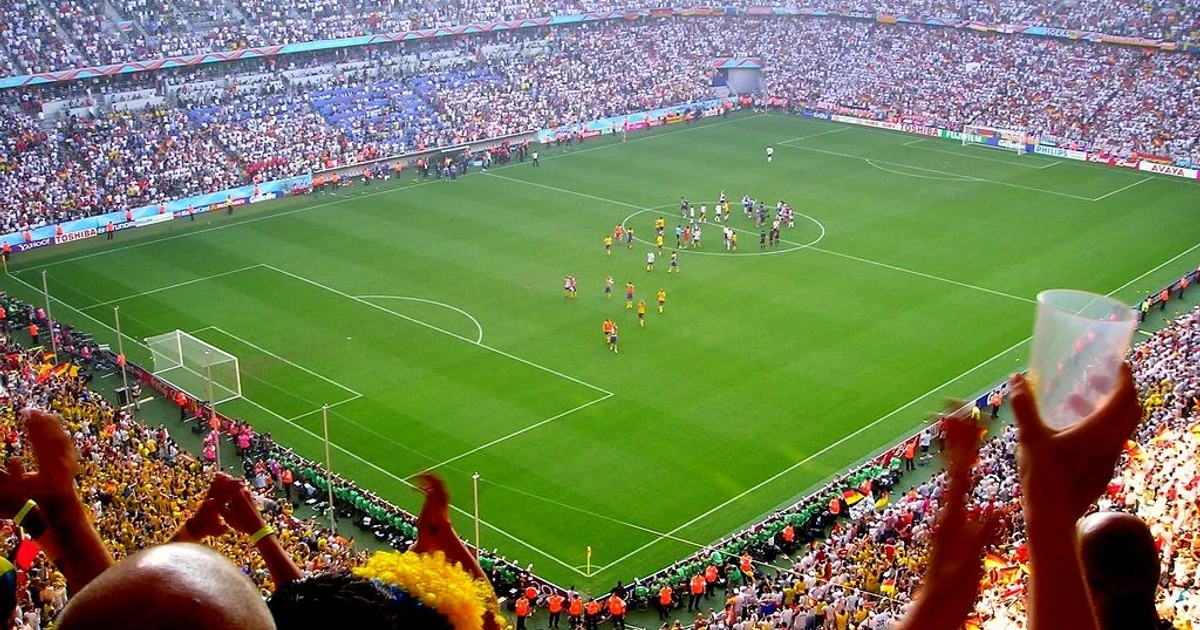
FIFA scrapped a plan to sell stakes in World Cup-linked competitions to private investors after UEFA and other football officials moved to block it. The proposal, pushed by FIFA president Gianni Infantino in late July, would have brought outside capital into a new venture tied to FIFA competitions, including the World Cup.
FIFA said the plan was meant to expand "football development funding" and invite third-party investment. Infantino also offered FIFA's 211 member associations $40m (£30m) if they backed it, a signal of how aggressively the governing body was trying to line up support for what some reports described as a $20bn company tied to FIFA rights.
The backlash came fast. UEFA and UK Prime Minister Andy Burnham criticised the plan on 28 July, and UEFA's 55 member associations later moved toward a boycott if FIFA went ahead. ESPN reported that UEFA was accelerating an emergency meeting of its 55 members to discuss the threat, while the central objection stayed the same: the World Cup was not FIFA's to sell.
Infantino then abandoned the idea, saying it had created divisions that were "no longer in the interest" of the project's original objective. The collapse exposed a fault line inside football governance, where member associations still have the power to resist a move that looked, to many of them, like a partial privatisation of the sport's most valuable property.
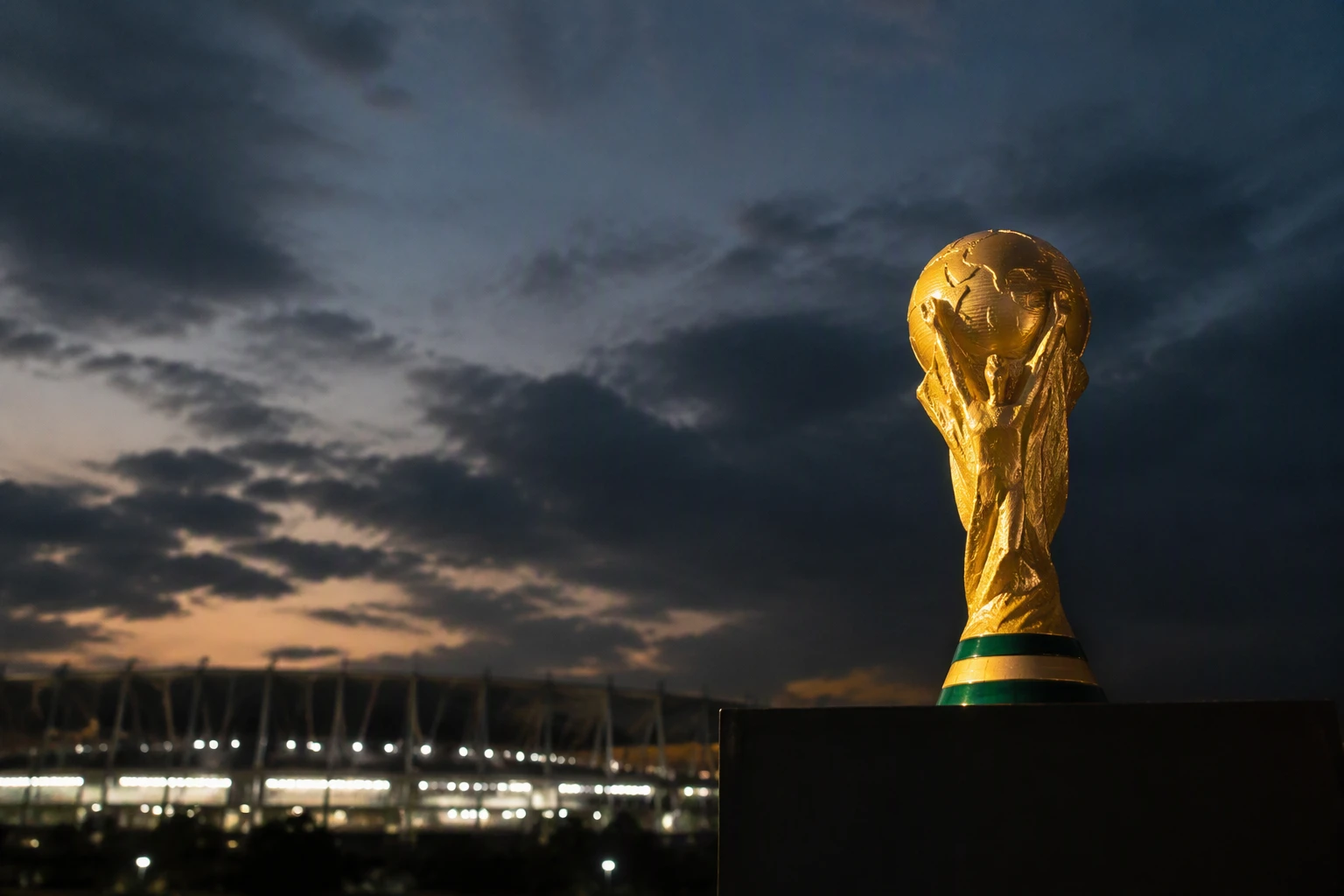
The episode also showed why live sports remain one of the few assets that investors think may be resistant to AI disruption. The 2026 World Cup is already a technology showcase: Lenovo said on 14 May that its AI systems would support operations, analytics, broadcasts and fan experiences across the United States, Mexico and Canada, and FIFA has used AI in match technology at its Zurich headquarters, including an AI-enabled official match ball and real-time tracking.
That blend of technology and scarcity is the attraction. AI can sharpen broadcast production, improve data analysis and personalise fan engagement, but it cannot manufacture 48 teams, 104 matches or the fixed rhythm of a World Cup calendar. Those rights are finite, globally watched and controlled by a single governing body, which is why financiers keep circling them and why football's institutions keep bristling when a deal starts to look like it hands influence over the game to outside capital.
Sources
- [1]bbc.co.uk
- [2]bbc.com
- [3]youtube.com
- [4]espn.com
- [5]fortune.com
- [6]fullstack.com