Sports
FIFA studies turf science to standardize 2026 World Cup surfaces
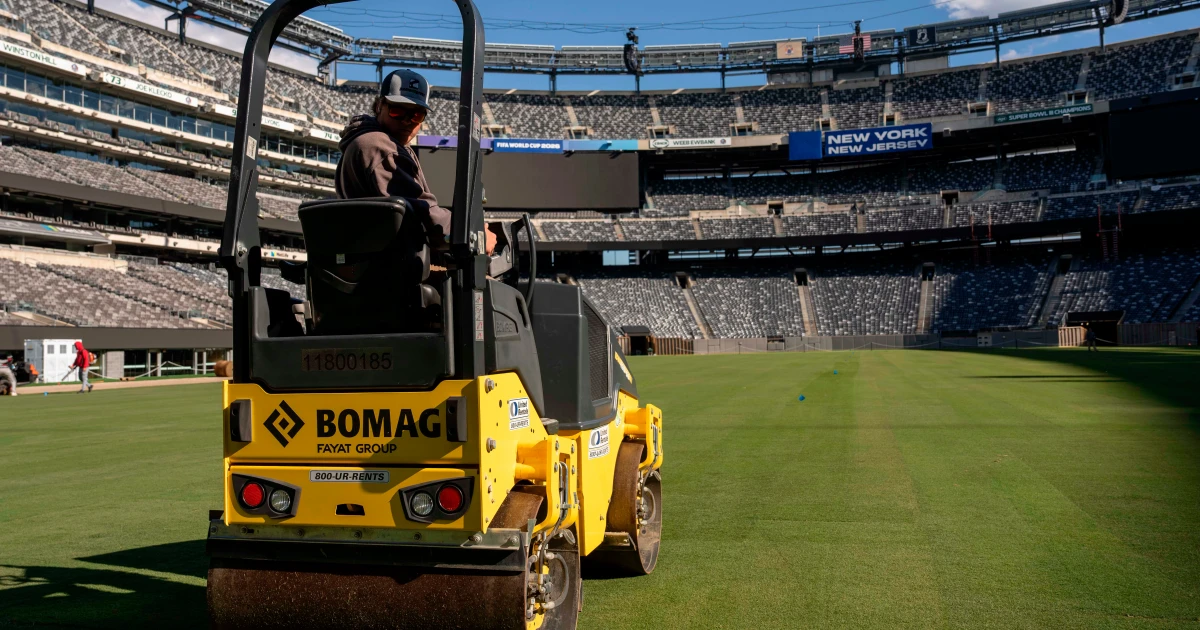
The World Cup’s invisible infrastructure is turning into a science project. With 48 teams playing 104 matches across 16 host cities in the United States, Mexico and Canada, FIFA has spent the past several years trying to make natural grass behave the same way in stadiums with different climates, elevations and roof designs.
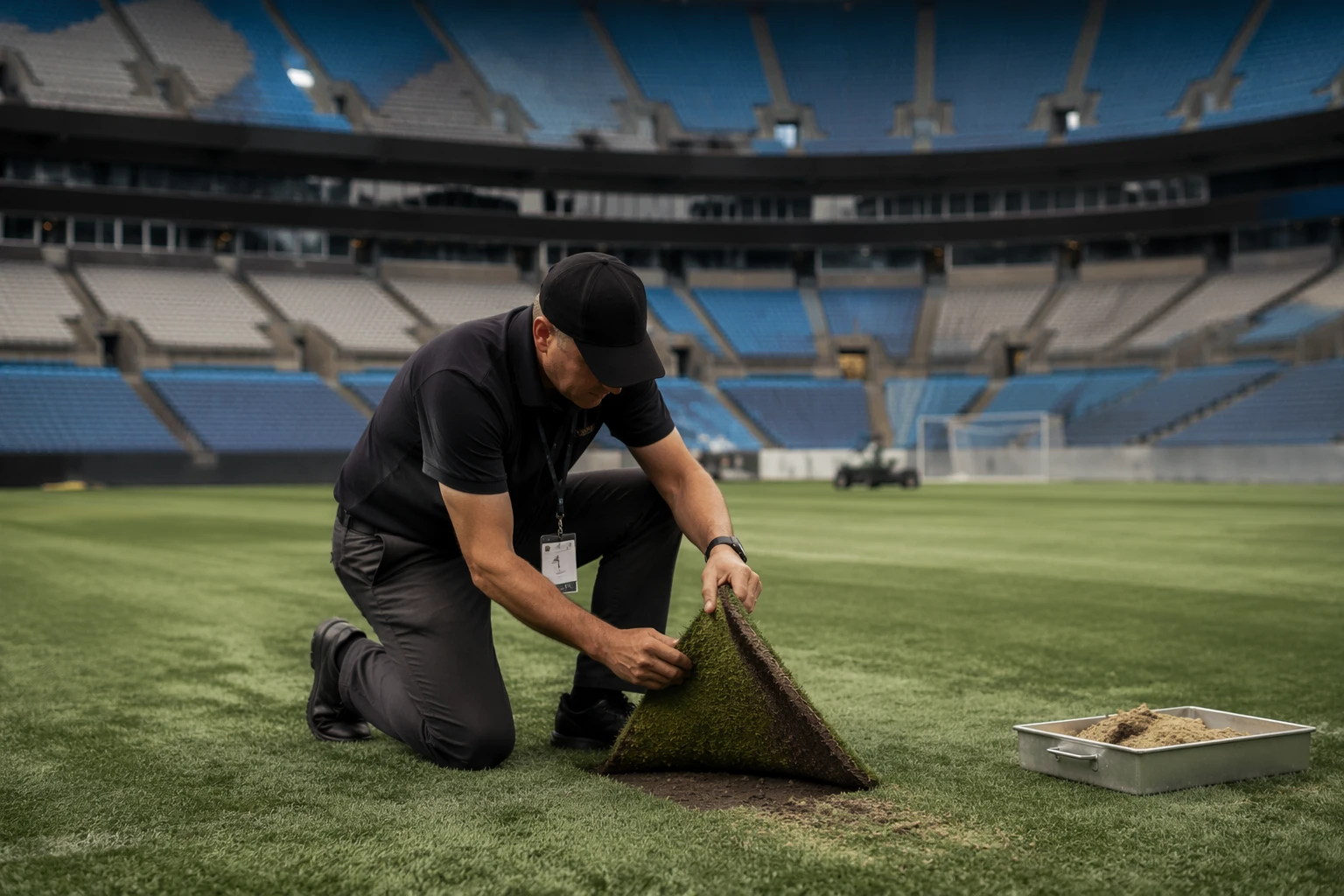
FIFA says its Pitch Management effort for the 2026 tournament began in 2022 and is built around a five-year research and development project with the University of Tennessee and Michigan State University. In Tennessee, the project includes a shade house designed to mimic domed-stadium conditions. In Michigan, FIFA says researchers installed a 23,000-square-foot asphalt pad to replicate the process of laying turf on stadium floors. The governing body says the goal is standardization and consistency across venues, supported by a standardized testing procedure and reporting format under its Natural Playing Surfaces Quality Programme.
That work has become more urgent because the 2026 tournament is unlike any World Cup before it. FIFA says eight of the stadiums normally use artificial turf, while five are covered, partially covered or have retractable roofs, all of which complicate the task of keeping natural grass alive and playable. FIFA senior pitch manager Alan Ferguson has said there is “no blueprint” for the challenge. John Sorochan, a turfgrass professor at the University of Tennessee, has said the aim is to make the field so unobtrusive that fans notice the goals and the atmosphere, not the grass.
The pressure is not just internal. In February 2024, NFL Players Association executive director Lloyd Howell said 92% of NFL players want natural grass and argued that injury data supports that preference, framing the issue as a working-condition problem. After criticism of patchy fields at the 2024 Copa América in the United States, Argentina coach Lionel Scaloni, goalkeeper Emiliano Martínez and U.S. midfielder Weston McKennie all raised concerns about surface quality, underscoring what can happen when grass conditions become part of the story instead of the soccer.
FIFA has tried to answer that criticism with more testing and more visible preparation. It held its first official World Cup 26 Pitch Research Field Day in Knoxville in April 2024, bringing together pitch managers from all 16 host-city stadiums and training sites, along with more than 200 turf specialists and representatives from member associations, confederations, leagues, clubs and suppliers. In May 2026, FIFA said pitch installation had been completed at the final venue, New York New Jersey Stadium. At Seattle’s Lumen Field, crews built a drainage and ventilation structure over the existing field, added more than 10 inches of sand, rolled out locally grown sod and stitched it with artificial-fiber reinforcement. U.S. women’s captain Lindsey Heaps said she did not notice the surface, exactly the response turf managers were chasing.
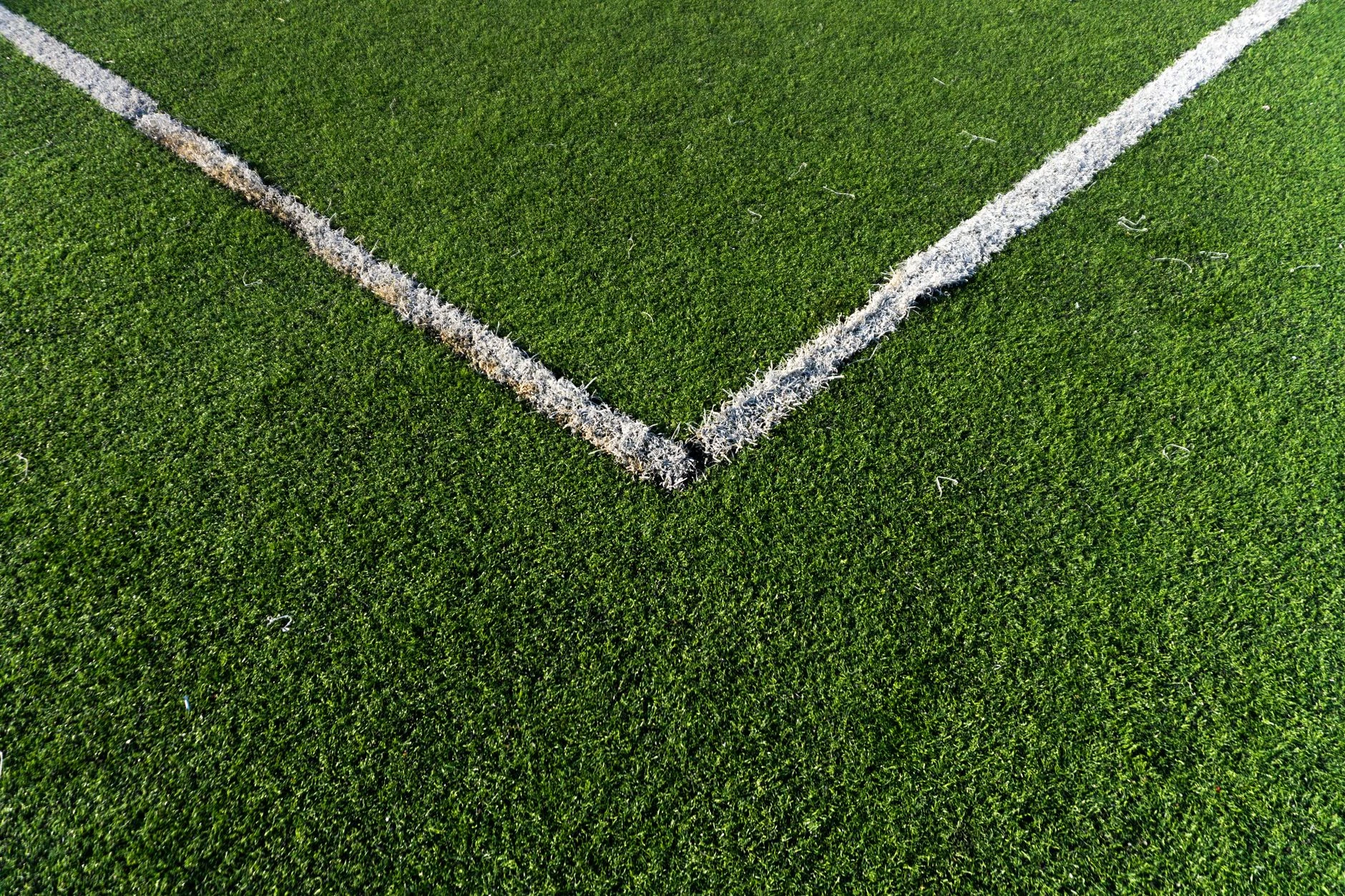
FIFA has long insisted that natural grass is the benchmark for its tournaments, and its technical standards treat safety, performance, durability and quality assurance as core parts of competition integrity. If the pitches hold, the surface fades into the background. If they fail, the tournament’s biggest risk may be visible before the first whistle.
Sources
- [1]nytimes.com
- [2]fifa.com
- [3]inside.fifa.com
- [4]espn.com
- [5]abcnews.com