Entertainment
FIFA Taps Madonna, Shakira, BTS for World Cup Final Show
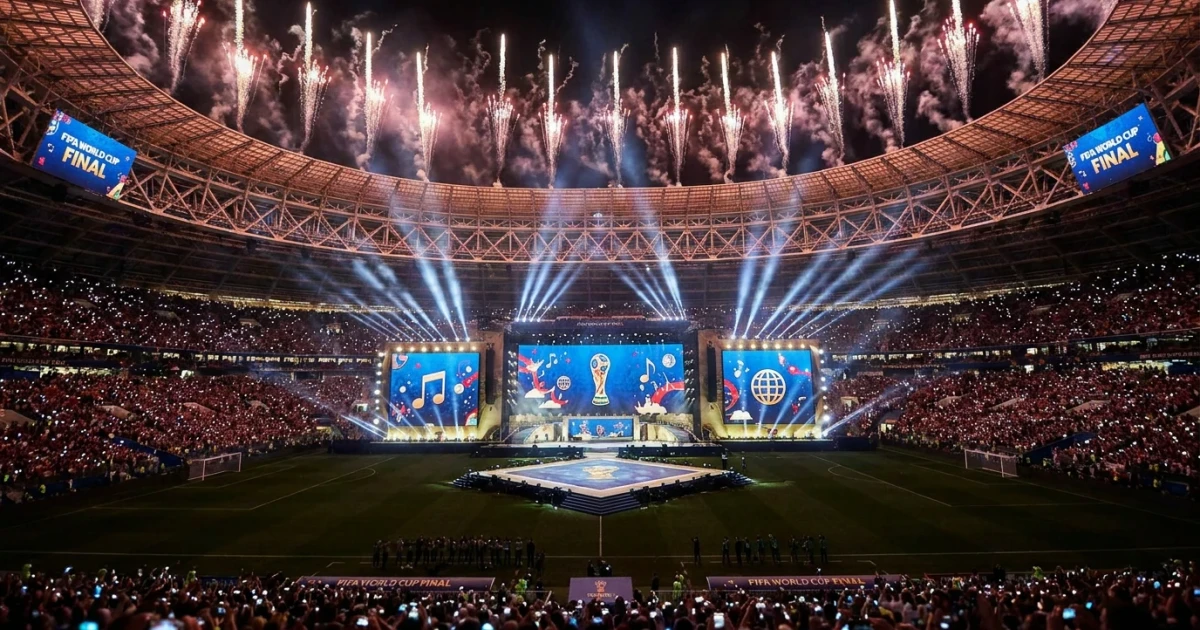
FIFA has announced a major new entertainment initiative for the World Cup—the tournament’s first-ever halftime show during the final match, headlined by international superstars Madonna, Shakira, and BTS. The move signals football’s growing embrace of entertainment spectacle, taking inspiration from the highly successful tradition of the Super Bowl halftime show in American sports.
Halftime Show Brings Pop Icons to Global Stage
The decision to feature a star-studded musical performance at the 2026 FIFA World Cup final was confirmed on May 14, 2026, in announcements covered by both AP News and The New York Times. Organizers revealed that Madonna, a legendary figure with decades of chart-topping hits, Shakira, known for her previous World Cup anthem "Waka Waka," and the internationally renowned K-pop group BTS will share the stage in a show designed to reach billions of viewers worldwide.
- Madonna boasts a long-standing record of Billboard Hot 100 chart-toppers and previously headlined the Super Bowl halftime show in 2012.
- Shakira became synonymous with World Cup music after performing at the 2010 final and recording the official anthem.
- BTS, the globally popular South Korean group, has set streaming and sales records, marking a first for K-pop at this scale of sports event.
Super Bowl Influence on World Cup Entertainment
FIFA’s decision follows the model set by the Super Bowl halftime show, which regularly attracts audiences that rival or exceed the game itself. Nielsen research has shown the halftime show’s power to boost viewership, brand engagement, and social media activity, making it a cultural phenomenon beyond sport. By bringing this concept to football’s biggest match, FIFA aims to grow the final’s entertainment value and global reach.
According to AP News, the introduction of this halftime show is expected to significantly expand the World Cup’s audience, with previous finals drawing close to 1.5 billion viewers worldwide. The New York Times notes that the inclusion of artists from North America, South America, and Asia reflects the tournament’s international appeal and FIFA’s effort to maximize cross-cultural excitement.
Expanding the World Cup Experience
This marks a notable shift in the World Cup’s event format. Traditionally, the final has focused strictly on the match itself, with pre-game and post-game ceremonies but no dedicated halftime entertainment. The new show will run during the final’s halftime break, offering a condensed yet high-impact performance for in-stadium fans and the global television audience.
Both outlets note that the change comes as FIFA continues to modernize the World Cup’s presentation and commercial potential. Official FIFA media releases have highlighted efforts to innovate and attract younger viewers, mirroring trends seen in major U.S. sporting events.
What to Expect from the Halftime Show
- Organizers have not yet revealed the precise setlist or production details, but the collaboration between these diverse artists promises a blend of pop, Latin, and K-pop influences.
- The show is likely to feature hit singles and potential collaborative performances, capitalizing on each act’s massive international fan base.
- Given the artists’ history of elaborate stagecraft, viewers can expect a visually striking and musically varied spectacle.
Global Anticipation and Broader Impact
The announcement has generated significant buzz on social media and in the entertainment world. Industry observers point to the potential for record-breaking viewership, with combined fan bases numbering in the hundreds of millions. The move is also seen as a bid to further commercialize the World Cup’s broadcast rights, sponsorships, and digital engagement, aligning football’s premier event with the broader entertainment industry.
As FIFA prepares for the 2026 final, the integration of a Super Bowl-style halftime show marks a pivotal moment in the history of the tournament, blending sport and pop culture in new ways and setting the stage for future innovation in global sports entertainment.