Sports
FIFA weighs $20 billion stake sale, sparking UEFA backlash
FIFA said it planned to create a new commercial subsidiary valued at about $20 billion and seek approval from its 211 member associations for a stake sale that would give private investors a significant minority, non-controlling position. The move would package the game’s commercial engine, including its global brand, media rights and tournament ecosystem, into a structure designed to unlock capital on a far larger scale.
The organization said the plan was tied to an expansion of football development funding to more than $10 billion, if member associations sign off. Reuters-based coverage said FIFA was weighing a sale that could raise about $4.2 billion through the new subsidiary, a sign that the governing body is testing how far it can go in monetizing its reach without formally giving up control.
The proposal immediately drew fire from UEFA, which rejected the idea that FIFA could treat football as a saleable asset. UEFA said football is not FIFA’s to sell and argued that the soul and governance of football are not assets to trade. That fight goes beyond valuation. A stake sale would force federations, clubs and broadcasters to look harder at who would control the new entity, how revenues would be distributed and whether private investors would gain influence over decisions that affect the sport far outside FIFA headquarters.

FIFA has already been moving deeper into commercial finance. In April, it said financial distribution to all 48 participating member associations at the 2026 World Cup would rise to almost $900 million. In June 2024, FIFA said it was working with UBS to raise up to $2 billion to expand its streaming service, another sign that the federation has been exploring ways to turn its media footprint into new revenue streams.
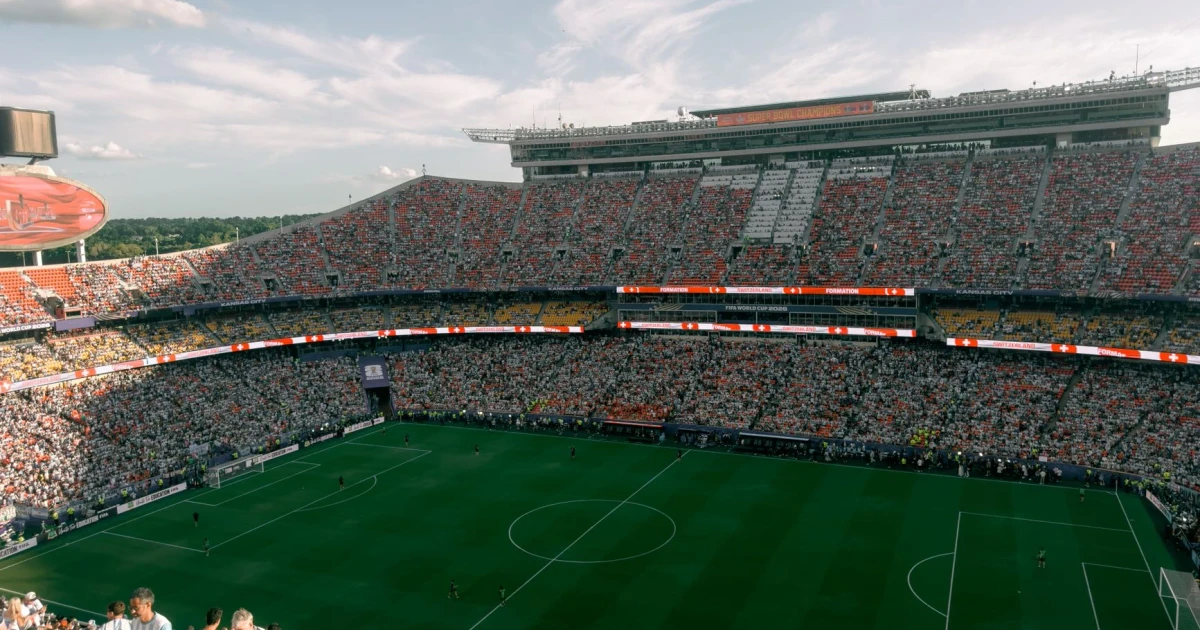
The timing matters because the 2026 World Cup is being staged in the United States, Canada and Mexico, giving FIFA a showcase with major commercial upside. Any sale of a stake in the new entity would put that windfall under sharper scrutiny, especially if broadcasters, sponsors and fans ultimately face higher rights costs, tighter scheduling pressure or less transparency over how the sport’s central revenues are governed.
Sources
- [1]reuters.com
- [2]inside.fifa.com
- [3]nbcnews.com
- [4]sports.yahoo.com
- [5]frontofficesports.com
- [6]dw.com