Sports
FIFA's Trump courtship raises ethics questions ahead of 2026 World Cup
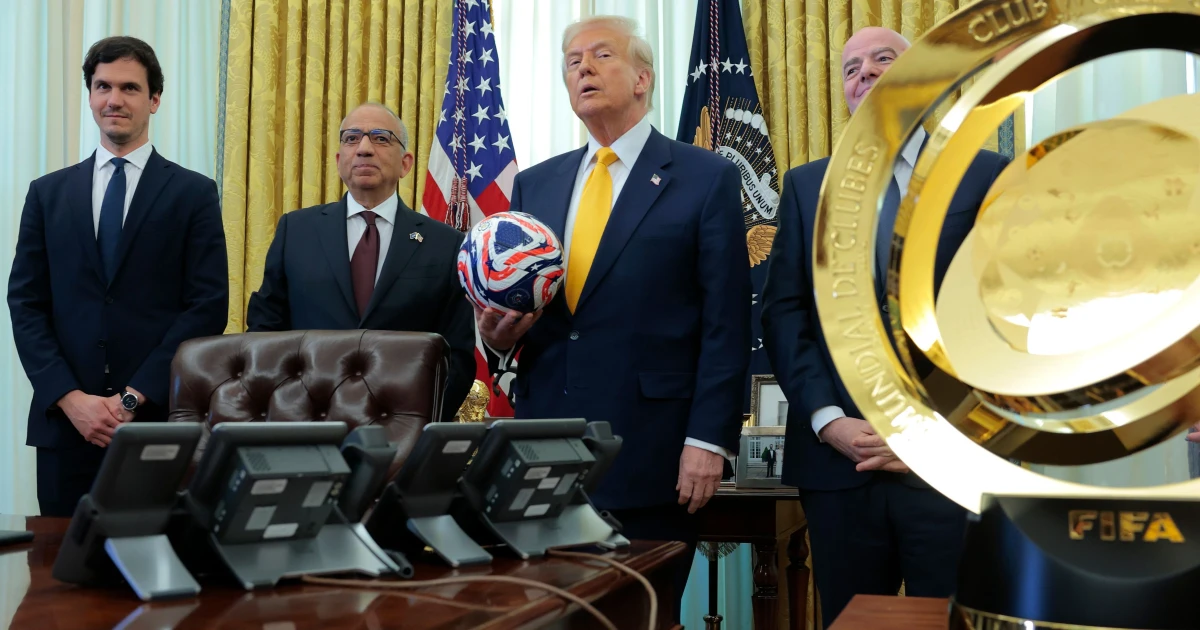
Gianni Infantino has spent years pulling Donald Trump closer to FIFA, and the relationship now sits inside the machinery of the 2026 World Cup. The tournament will span 48 teams, 104 matches and 16 stadiums across Canada, Mexico and the United States, with FIFA saying the United States will host about 75% of the games, or 78 matches in 11 host cities.
That scale explains why access to Trump matters. On March 7, 2025, Trump and Infantino met at the White House as Trump signed an executive order creating a White House Task Force on the FIFA World Cup 2026. FIFA said the 2025 Club World Cup and the 2026 World Cup together could generate about $40 billion in economic impact and 200,000 jobs, numbers that give any administration leverage over security planning, travel policy and the public framing of the event.
The courtship has been visible for years. At a World Economic Forum dinner in Davos on January 21, 2020, Infantino called Trump “my great friend” after Trump invited him to introduce speakers. In August 2025, Trump and Infantino announced that the 2026 World Cup final draw would be held at the Kennedy Center in Washington, D.C., a choice that moved one of soccer’s marquee ceremonies away from a traditional sports setting and away from Las Vegas, which had been widely expected.
For FIFA, a White House connection can help on the practical questions that shape a tournament of this size: visas, border procedures, security coordination, sponsor access and the influence that comes with selecting host-city events and ceremonial stages. For critics, the same relationship risks giving Trump a political and symbolic platform while blurring the line between soccer governance and presidential power.
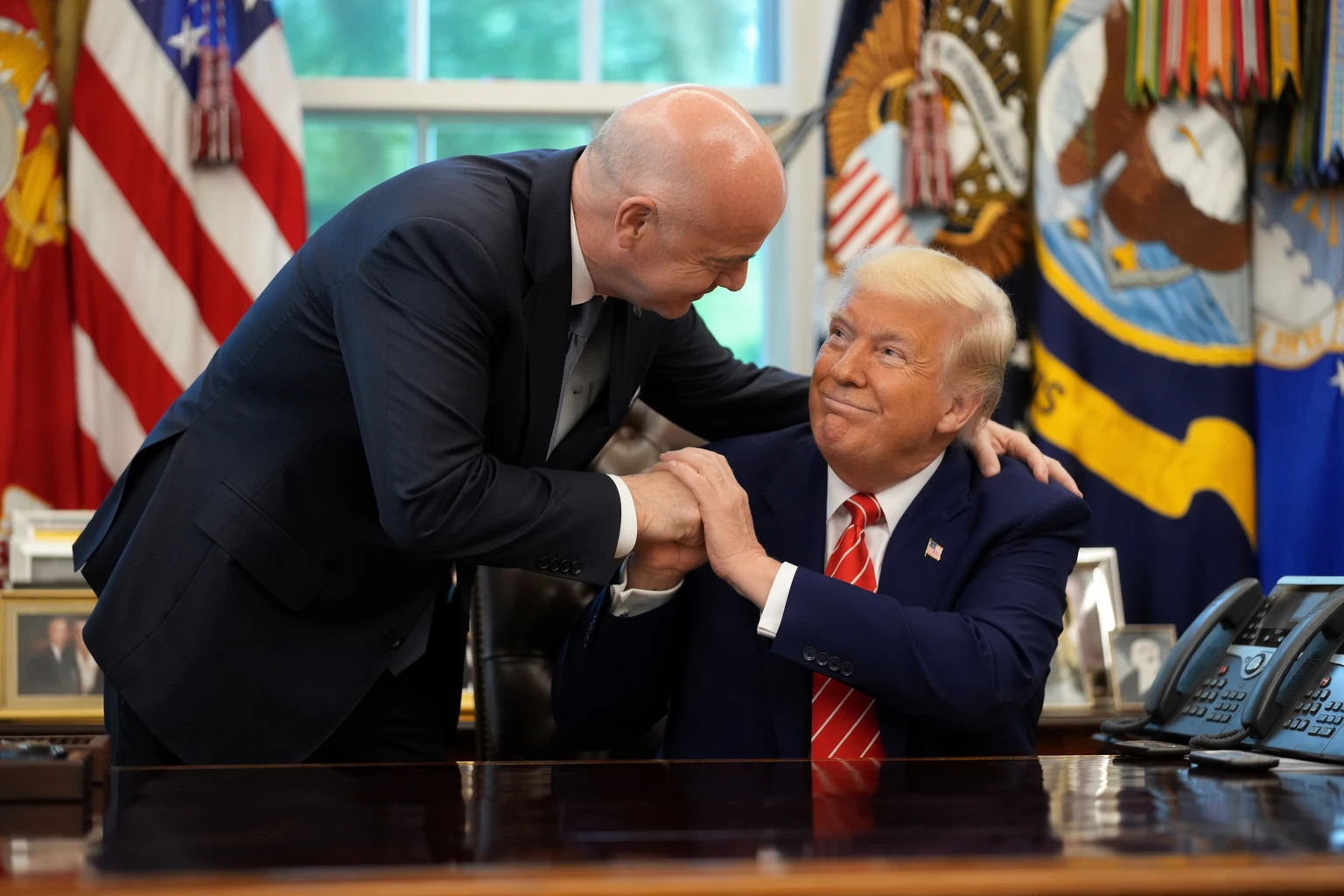
That concern hardened in December 2025, when FairSquare filed ethics complaints accusing Infantino of violating FIFA’s political-neutrality rules over his public support for Trump and a FIFA Peace Prize awarded to the president. UEFA also criticized Infantino in 2025, saying he had put private political interests ahead of football after traveling with Trump in the Middle East and missing part of FIFA’s annual Congress.
The scrutiny widened again in February 2026, when the International Olympic Committee said it would look into Infantino’s conduct after he joined Trump at a “Board of Peace” launch. With the largest World Cup in history moving toward American soil, the question inside soccer is no longer whether Infantino wants Trump close. It is whether FIFA is gaining institutional leverage, or simply inviting a deeper distortion of how the tournament is run.
Sources
- [1]nytimes.com
- [2]inside.fifa.com
- [3]whitehouse.gov
- [4]espn.com
- [5]reuters.com
- [6]fifa.com