Sports
FIFA's World Cup hydration breaks spark ad backlash on U.S. broadcasts

The new World Cup hydration break is being sold as player protection, but on U.S. screens it is looking a lot like fresh commercial inventory. FIFA has ordered three-minute pauses in every one of the 104 matches at the 2026 men’s tournament in the United States, Canada and Mexico, with breaks set around the 22nd minute and the 67th minute regardless of weather conditions.
FIFA says the rule is meant to protect player welfare and create better conditions across the expanded 48-team event. The organization said the decision came after consultation with coaches and broadcasters, and it framed the breaks as a standardized measure for all teams and all matches. That standardization matters because the tournament will involve 1,248 confirmed players, turning what were once occasional drinks pauses into a fixed part of the broadcast rhythm.
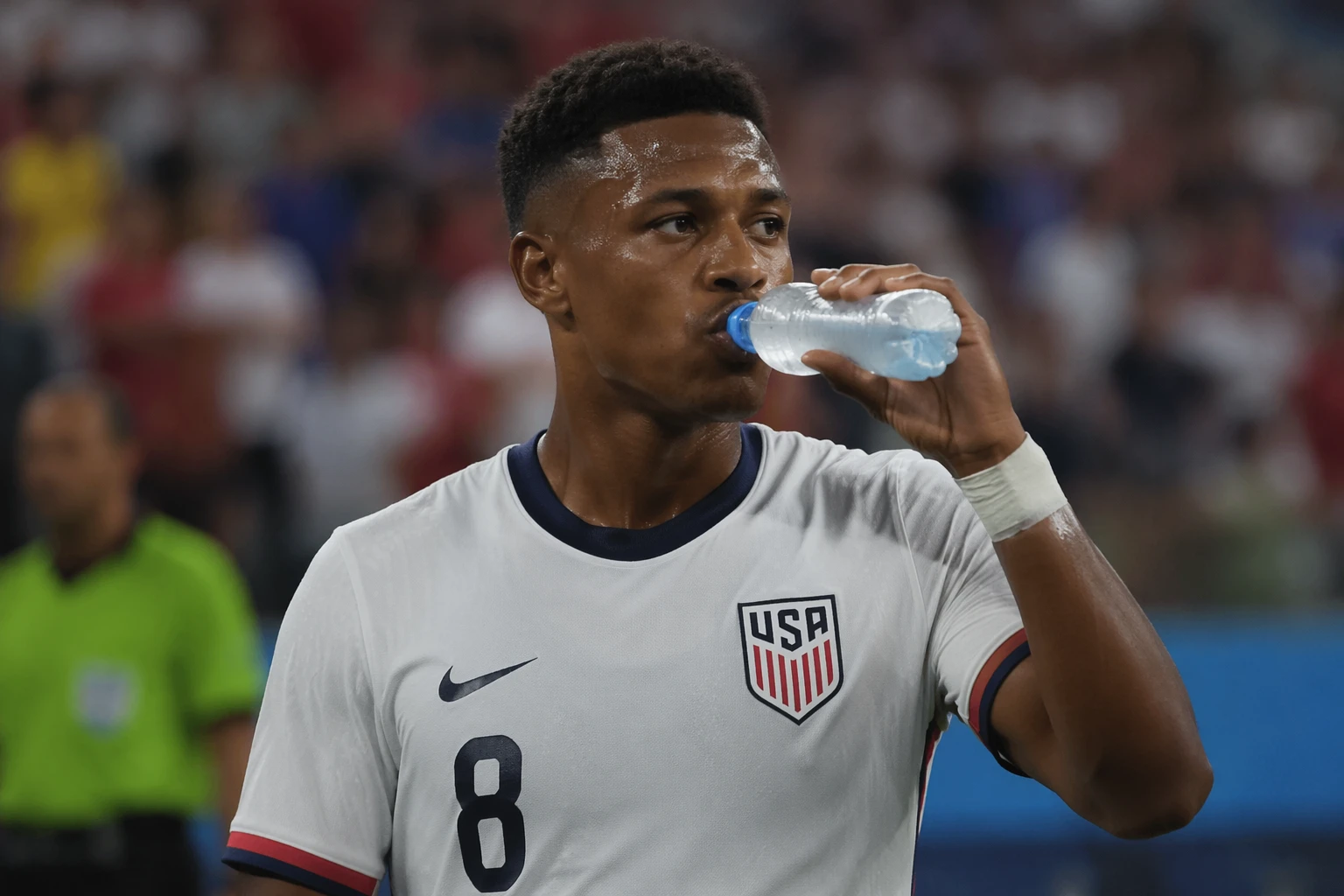
The safety case has support from recent heat complaints. At the 2025 Club World Cup in the United States, Chelsea midfielder Enzo Fernández said he felt dizzy in “very dangerous” temperatures. Then-Chelsea coach Enzo Maresca said he had to cut training short in Philadelphia during a code-red heat warning, while Spain’s Marcos Llorente described the conditions as brutal. FIFA is pointing to those complaints as evidence that the heat protocols are necessary, not optional.
But the optics are difficult to ignore. In the United States, Fox has been airing full-screen commercials during the hydration breaks, while Telemundo has said it will keep showing live pitch action, huddles, replays and analysis instead of cutting away. That split underscores the commercial tension at the center of the policy: if the pauses are about safety, why do they map so neatly onto a new selling opportunity for broadcasters?

The controversy is sharpened by history. Previous World Cups used drinks breaks only at a referee’s discretion or when temperature thresholds were met, including hot 2014 matches in Manaus and Fortaleza. By contrast, the 2026 format makes breaks mandatory in every game, which is why fans are already describing matches as de facto four-quarter contests. FIFA may see a uniform protocol for an extreme-heat tournament; supporters see a game flow interrupted just as broadcasters find another place to run ads.
Sources
- [1]nytimes.com
- [2]inside.fifa.com
- [3]espn.com
- [4]forbes.com
- [5]fifa.com
- [6]usatoday.com